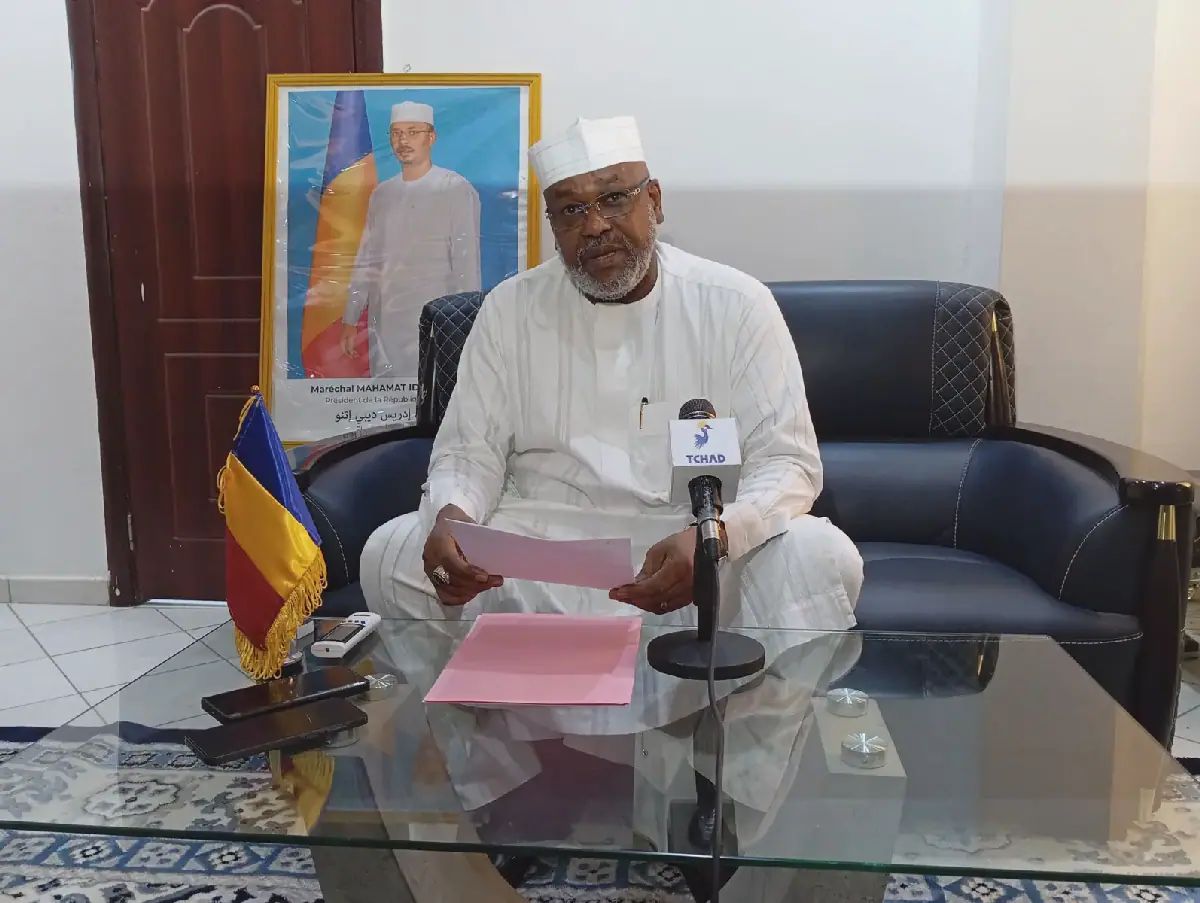
On November 4, 2026, Chad's Minister of Territorial Planning, Urbanism, and Housing, Mahamat Assileck Halata, announced the preparation of a National Resilient Housing Program and planned urbanization. This initiative aims to address the country's significant housing deficit and promote better urban planning. The program was announced during the World Cities Day celebrations on October 31. The housing deficit in Chad is estimated to be around 1.5 million units.
According to Minister Halata, Chad's cities are expanding rapidly due to population growth, rural exodus, and population displacement. This expansion presents opportunities but also significant challenges in terms of housing access, land security, and urban planning. The minister emphasized that a city is not just about buildings and roads but a place where families can live with dignity, work, and raise their children. He highlighted the need for land security, viable land preparation before construction, and anticipating flood risks.
The Ministry of Territorial Planning has initiated several actions to address these challenges. These include securing state land reserves in provinces and strengthening the role of local urban planning commissions to ensure adherence to rules in land allocation. The government aims to move to a new stage with the National Resilient Housing Program and planned urbanization. This program will be conducted in collaboration with the Ministry of Economy, Finance, Planning, Budget, and International Cooperation.
The National Resilient Housing Program will receive support from UN-Habitat. A high-level meeting, the Habitat Morning, is scheduled for November 20, 2026, in N'Djamena. This meeting will bring together national institutions, technical and financial partners, banks, real estate developers, and local actors. Discussions will focus on the technical and financial conditions necessary for the program's implementation.
Minister Halata emphasized that the housing sector's development must contribute to job creation for masons, artisans, and local material producers. He called on local authorities, the private sector, financial institutions, and partners to engage in this dynamic. The minister also invited citizens to consult urban planning services before construction, respect development plans, and avoid flood-prone areas.
The program aims to promote resilient and planned urbanization in Chad. The country's rapid urbanization has led to significant challenges in housing, land security, and urban planning. The government seeks to address these challenges through the National Resilient Housing Program. The program's success will depend on collaboration between various stakeholders, including government agencies, private sector actors, and international partners.
Oumar Sylla, UN-Habitat's regional director for Africa, will participate in the Habitat Morning meeting. The meeting will discuss the program's technical and financial aspects and explore ways to implement it effectively. The National Resilient Housing Program is expected to have a positive impact on Chad's housing sector and urban development.
Key points
- The program aims to address Chad's 1.5 million unit housing deficit.
- The program will receive support from UN-Habitat.
- The program's success depends on collaboration between government agencies, private sector actors, and international partners.