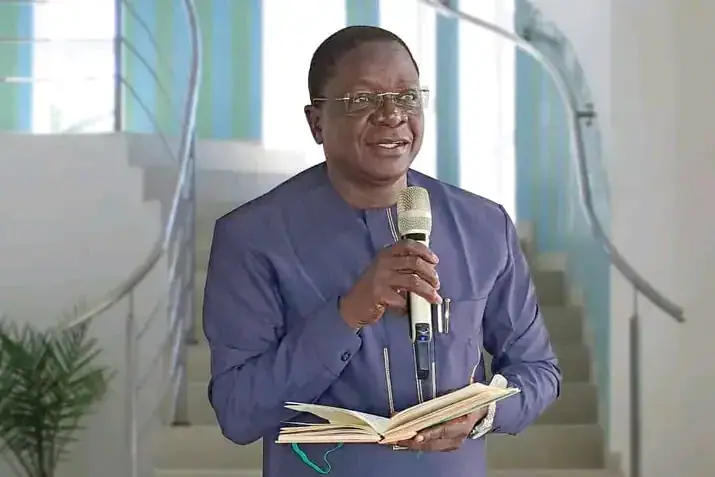
Chad's opposition leader Pahimi Padacké Albert has strongly contested the government's mid-term assessment of its five-year program, presented by Prime Minister Allah-Maye Halina on November 25, 2026. The assessment reported a 46.54% implementation rate of presidential commitments after two years. However, Albert described the evaluation as "surreal" and questioned its credibility. He argued that if the current rate continues, it would lead to an implausible 116.35% implementation rate by the end of the five-year term.
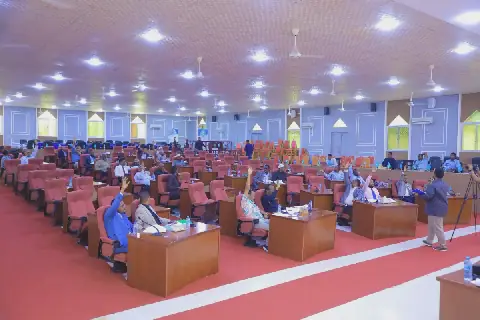
The Prime Minister presented the report to President Mahamat Idriss Déby Itno at the Toumaï Palace, highlighting the progress made on 12 strategic projects and 100 priority actions. The President welcomed the report and urged the government to accelerate efforts for the second half of the term. However, Albert's criticism suggests that the government's assessment may not align with the experiences of the Chadian people. He accused the government of presenting "virtual" figures that do not reflect the country's realities.
Albert's publication on November 27, 2026, denounced the government's "auto-evaluation" as unrealistic and lacking credibility. He emphasized that the figures presented do not address the daily difficulties faced by Chadians, including poverty, famine, dengue, insecurity, and conflicts between farmers and herders. The opposition leader called for the government to focus on urgent social and economic issues rather than presenting artificial assessments.
The opposition leader also highlighted the need for concrete actions in areas such as education, respect for fundamental rights and freedoms, and infrastructure development. He pointed out that many infrastructure projects are stalled, and announced projects are still awaiting implementation. Albert stressed the importance of transparent budgeting to accompany government commitments.
Beyond disputing the government's assessment, Albert criticized the exclusionary policies that he believes are paralyzing the country. He advocated for inclusive governance based on the mobilization and participation of the nation's active forces to collectively address development challenges. This approach, he argued, would help to build a more representative and effective government.
The debate over the government's assessment has taken a political turn, with Albert's criticism reflecting a deeper disagreement over the country's development trajectory. The opposition leader's comments have highlighted the need for a more nuanced discussion about the government's performance and the challenges facing the country. The government's response to Albert's criticism remains to be seen.
The controversy surrounding the government's assessment has raised questions about the credibility of official statistics and the effectiveness of the government's policies. As the country moves forward, it remains to be seen how the government will address the concerns raised by Albert and other critics. The issue has sparked a necessary conversation about the need for transparency, accountability, and inclusive governance in Chad.
Key points
- Opposition leader Pahimi Padacké Albert disputes the government's mid-term program assessment, citing unrealistic figures and exclusionary policies.
- The government reported a 46.54% implementation rate of presidential commitments after two years, which Albert described as "surreal".
- Albert called for the government to focus on urgent social and economic issues, including poverty, famine, and infrastructure development.