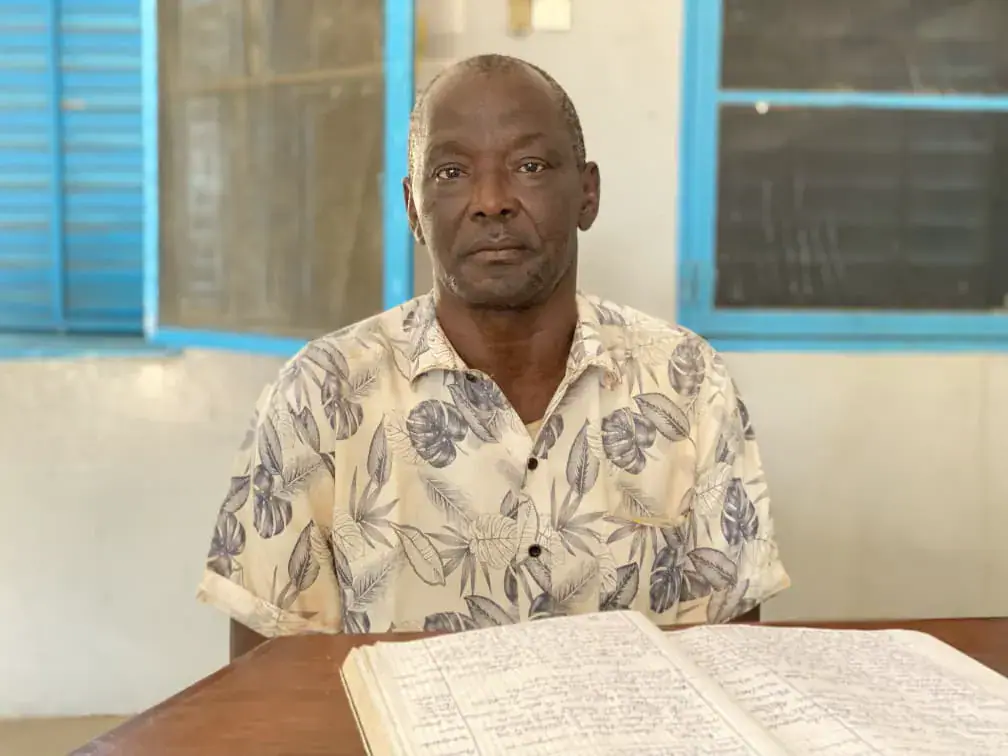
On 28 November 1958, Chad was proclaimed a Republic within the French Community, marking a significant milestone in the country's journey to national sovereignty. This date, according to historian Djimtola Ngaossedané, is a crucial part of Chad's history that seems to be gradually forgotten. Ngaossedané, head of the history department at the University of Sarh, notes that the country's participation in World War II contributed to accelerated institutional changes in French colonies.
The 1944 Brazzaville Conference, Ngaossedané explains, was one of the first steps towards these changes. Prior to this, Chad was primarily organized around traditional chiefdoms and kingdoms. The subsequent reforms allowed Africans to gradually participate in public affairs management. In 1946, the creation of the French Union opened a new phase in relations between France and its colonies, although the double-college electoral system maintained inequalities between French citizens and colonized populations.
The 1958 referendum marked a significant evolution in this process. In Chad, 801,355 out of 818,387 registered voters supported the new political orientation, with 14,032 opposing it. This choice enabled the territory to access the status of an autonomous Republic within the French Community. On 28 November 1958, the Republic of Chad was proclaimed, paving the way for its independence on 11 August 1960. Ngaossedané emphasizes that independence was a natural progression, representing liberty and an end to foreign authority.
At the time of the Republic's proclamation, Chad faced a severe shortage of qualified cadres. University education opportunities were limited, and some students had to pursue their studies abroad. Before independence, there were fewer than ten intellectuals trained in universities. Despite this, Ngaossedané expresses regret that the commemoration of 28 November has lost significance in national life, gradually fading into obscurity.
Ngaossedané believes that this date deserves more attention so that younger generations understand the sacrifices, efforts, and events that led Chad to sovereignty. He notes that 28 November 1958 is a vital historical landmark that should remind Chadians of their country's path to liberty and self-determination. The historian's comments come as the country reflects on its past and its journey towards independence.
In related news, President Mahamat Idriss Déby Itno recently called for unity to build Chad. The 28 November proclamation has been declared a public holiday, with the following Monday, 30 November, being a working day. Efforts to revive interest in this significant date are underway, with Ngaossedané's insights contributing to a deeper understanding of Chad's history.
As Chad continues to commemorate its historical milestones, Ngaossedané's reflections serve as a reminder of the importance of preserving national memory. The 28 November 1958 proclamation remains a pivotal moment in Chad's history, marking a crucial step towards independence and self-governance.
Key points
- Historian Djimtola Ngaossedané emphasizes the significance of 28 November 1958 in Chad's journey to sovereignty.
- The 1958 referendum paved the way for Chad's transition to a Republic within the French Community.
- Ngaossedané regrets the declining attention to this historical date, advocating for its preservation as a national landmark.