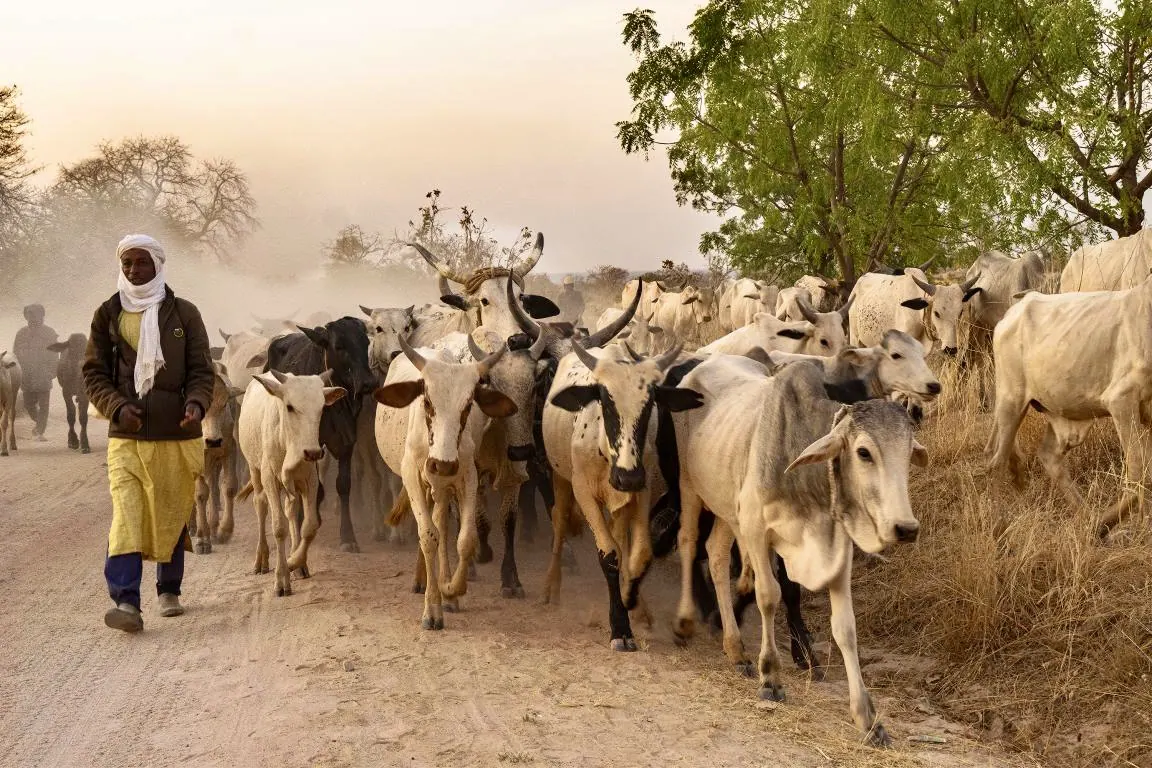
The Chadian government has implemented measures to secure the 2026-2027 transhumance campaign, aiming to prevent damage to crops and conflicts between farmers and herders. A circular issued by the Ministry of Territorial Administration and Decentralization on September 28, 2026, outlines the steps to be taken. The measures are designed to ensure a peaceful and organized transhumance season, which typically takes place from January to facilitate the movement of livestock.
The circular instructs administrative officials and local authorities to enforce the transhumance calendar and designated corridors. The opening dates for these corridors and entry into agricultural areas are set to begin on January 1, depending on the progress of the harvest. To ensure compliance, officials will conduct bi-weekly assessments and make adjustments as needed to the entry dates for herds.
Enhanced surveillance will be implemented at entry points and along transhumance corridors to monitor the movement of livestock. Herds arriving before the designated dates will be intercepted and redirected to designated waiting or grazing areas. The circular also emphasizes the need to liberate and secure passage corridors, water points, and rest areas for the herds.
Local committees for managing conflicts between farmers and herders will be reactivated or established in departments and sub-prefectures. In cases of crop damage, authorities are encouraged to prioritize joint assessments and conciliation, in accordance with the existing indemnification scale. This approach aims to resolve disputes amicably and minimize tensions between the parties involved.
Provincial preparatory meetings will be organized to ensure a smooth transhumance season. Additionally, officials will be required to submit bi-weekly reports to the Ministry of Territorial Administration and Decentralization, enabling the government to monitor the situation and make informed decisions.
The measures are designed to mitigate the risks associated with transhumance, including crop damage and clashes between farmers and herders. By establishing clear guidelines and enforcing them, the government hopes to promote a culture of coexistence and cooperation between the different stakeholders involved in the transhumance process.
The successful implementation of these measures will depend on the collaboration and commitment of all parties involved, including administrative officials, local authorities, farmers, and herders. The Chadian government has taken a proactive approach to addressing the challenges associated with transhumance, and it remains to be seen how effective these measures will be in preventing conflicts and promoting peaceful coexistence.
Key points
- The Chadian government has introduced measures to secure the 2026-2027 transhumance campaign.
- The measures aim to prevent damage to crops and conflicts between farmers and herders.
- The government will conduct bi-weekly assessments to ensure compliance with the transhumance calendar and designated corridors.