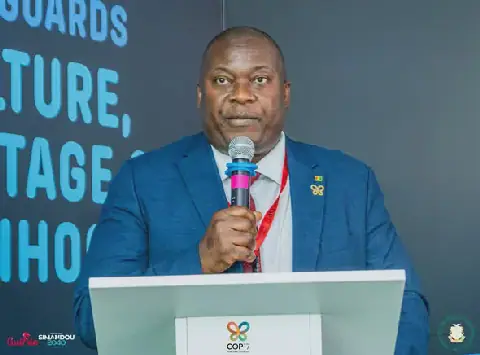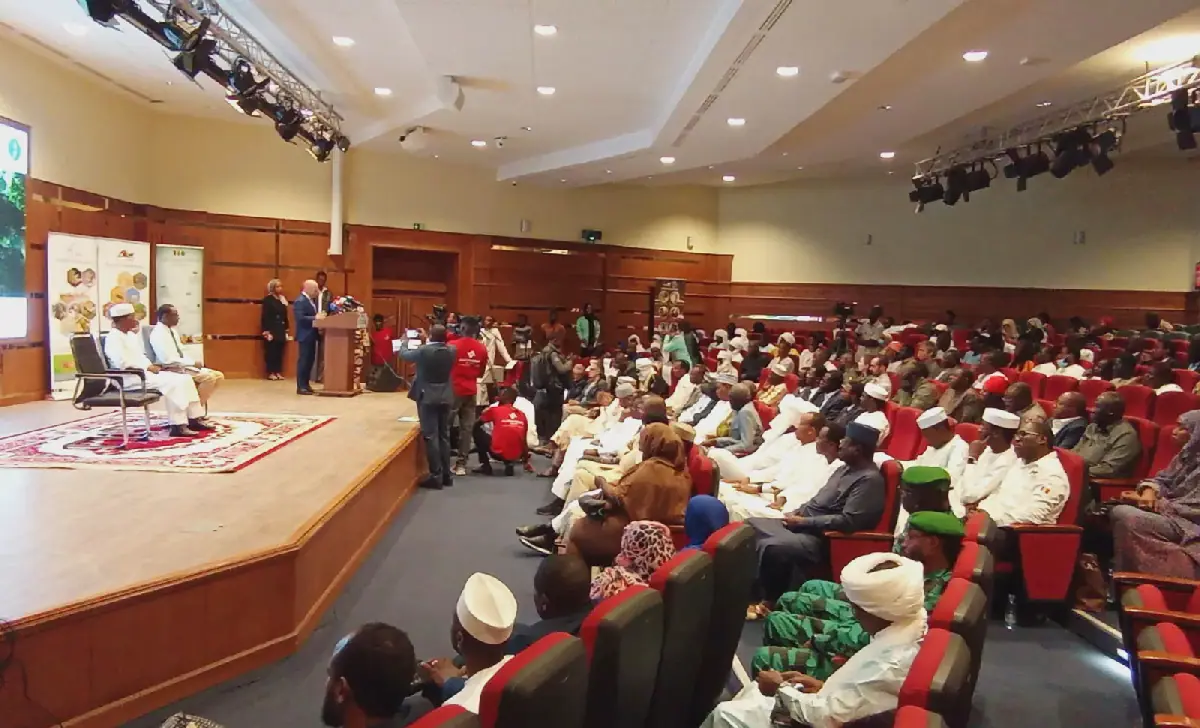
The Ministry of Environment, Fisheries and Sustainable Development in Chad, in partnership with African Parks Network, hosted the second edition of the Forum on Co-Management of Protected Areas in N'Djamena on October 28. The event was themed "Parks, Engines of a Future Chad: Preserving Today, Building Emergence." The forum aimed to strengthen collaboration between conservation actors and make protected areas levers of sustainable development, particularly in the context of climate change effects.
The forum brought together various stakeholders to discuss challenges in conservation, local community participation in park management, and sustainable financing mechanisms. This event occurred nearly four months after Chad and African Parks Network signed new partnership agreements. Ahmat Brahim Siam, Country Director of African Parks Network, emphasized that co-management is crucial for preserving biodiversity while considering the needs of local populations. He stressed that conservation requires collaboration between the state, local authorities, communities, civil society, and partners.
Siam also highlighted that the new partnership agreements commit his organization to continuing its efforts in managing protected areas. He welcomed the signing of a protocol agreement to initiate the creation of new protected areas in the Aouk-Keita landscape. Amador Sánchez Rico, European Union Ambassador to Chad, noted the continuity of EU cooperation with Chad in conservation, which has spanned nearly four decades. The EU supports seven sites, including Zakouma, Siniaka Minia, and Manda national parks, as well as the Ennedi natural and cultural reserve.
Sánchez Rico indicated that the EU's approach has evolved from solely protecting wildlife to integrating local economic development. He emphasized the need to diversify funding sources for protected areas to ensure their long-term sustainability beyond external aid. Hassan Bakhit Djamous, Minister of Environment, Fisheries and Sustainable Development, opened the forum by highlighting the environmental challenges facing Chad. He noted that over 91% of Chad's territory is in an arid or semi-arid zone, with nearly half of the pastoral lands degraded or threatened.
The minister also pointed out the shrinking of Lake Chad, which directly affects the livelihoods of millions of people in the basin. He presented protected areas as essential ecological infrastructures for regulating the local climate, protecting soils, preserving biodiversity, and securing access to water. Bakhit Djamous highlighted the positive outcomes of co-management in several sites, including the restoration of wildlife populations, securing areas previously affected by poaching, and developing economic activities around tourism and crafts.
To consolidate these achievements, Bakhit Djamous called for strengthening the governance of protected areas, training more Chadian specialists in conservation, and diversifying funding sources, including mobilizing the national private sector. He invited administrative and traditional authorities, local governments, youth, women, and partners to contribute to protecting natural heritage and integrating conservation into development plans. The minister emphasized that Chad's emergence must be based on its natural resources without compromising the environment or the living conditions of future generations.
The forum provided a platform for stakeholders to discuss and address the complexities of managing protected areas in Chad. The country's reliance on its natural resources for development makes the conservation of these areas crucial. The co-management approach aims to balance the needs of local communities with conservation goals, ensuring the long-term sustainability of protected areas. By working together, stakeholders can address the challenges facing Chad's environment and promote sustainable development.
Key points
- The forum aimed to strengthen collaboration between conservation actors and make protected areas levers of sustainable development.
- The EU supports seven sites in Chad, including national parks and a natural and cultural reserve.
- The co-management approach seeks to balance local community needs with conservation goals.