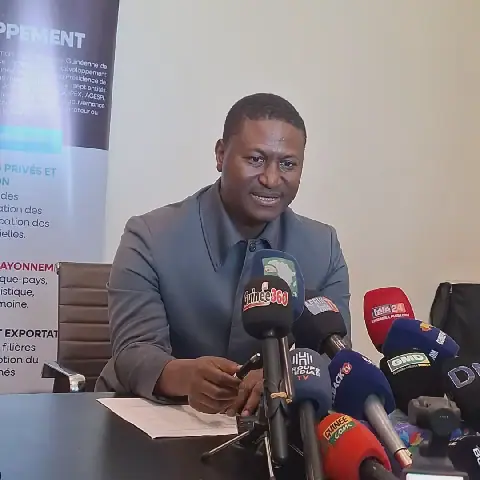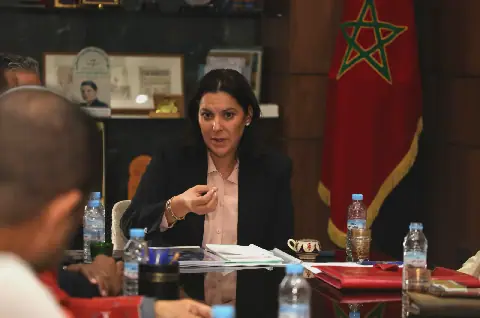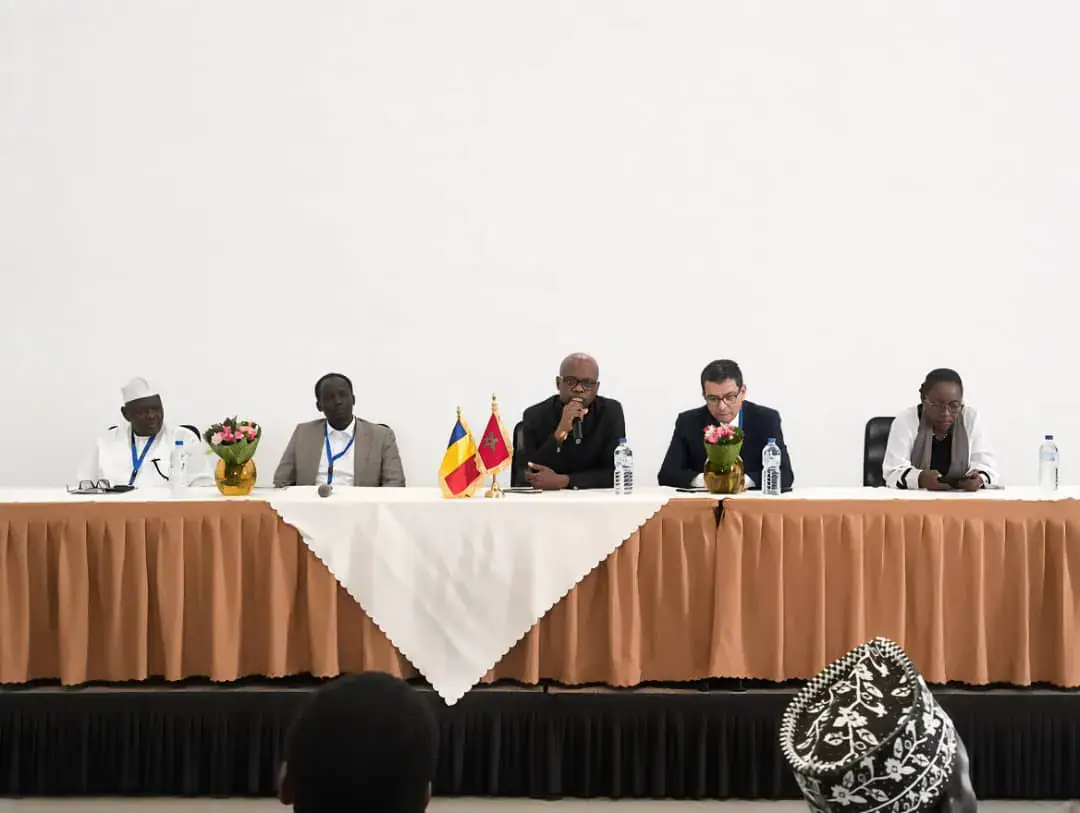
The Africa Executive Meeting 2026 was held in N'Djamena, Chad, on November 13, with representatives from institutions and economic actors in attendance. The meeting aimed to transform possibilities of cooperation into projects that create value and jobs. The main axes of discussion included transport corridors, inter-African trade, youth employment, and investment. The goal was to bring together companies, facilitate exchanges, and emerge with new investment opportunities.
The meeting revolved around several themes, including corridors, de-enclaving, and inter-African trade, as well as human capital, youth employment, and entrepreneurship, and industrial transformation and investment. The discussions highlighted complementary issues, ranging from the participation of economic actors to the mobilization of financing and necessary infrastructure for better circulation of goods. Abderrahmane Gademi, provisional administrator of the Chamber of Commerce, Industry, Agriculture, Mines, and Handicrafts of Chad, expressed a willingness to accompany and encourage participation in the meeting.
Gademi's intervention emphasized the interest of debates and exploration of new markets, inviting participants to make this meeting a space for exchanges and a framework for establishing partnerships and outlining development prospects. Economic integration and investment were also mentioned as ambitions, with the horizon of well-being for populations. Hassan Adoum Bakhit Haggar, Ambassador of the Republic of Chad to the Kingdom of Morocco, discussed the dynamics of cooperation and prospects for its strengthening in the coming years.
The Ambassador addressed the difficulties faced by landlocked countries in their exchanges with external markets, highlighting the issue of de-enclaving as an economic challenge linked to the conditions in which companies can trade and develop their activities. He also emphasized the mobilization of financial resources necessary for development, citing facilitation measures taken by Morocco and the expected contribution of various actors to project realization.
Yanja El Khattat, President of the Dakhla-Oued Ed-Dahab Regional Council, called for greater rapprochement in commercial exchanges and investments, stating that Morocco and Chad have real possibilities for cooperation, but their commercial exchanges are not yet commensurate with their ambitions or the complementarities that their two economies could valorize. He advocated for bringing companies closer together, facilitating meetings between investors, and identifying products and services that could circulate more between the two markets.
El Khattat situated this ambition within the perspective of the Royal Atlantic Initiative for Sahel countries' access to the ocean, emphasizing that de-enclaving is not just about facilitating transport, but also about improving access to markets, securing supplies, and opening new outlets for producers. Two priorities were detailed: logistics and trade, and agriculture, livestock, and agro-food transformation.
The proposed tracks include joint studies, diversification of supply circuits, customs facilitation, and the connection of companies. The meeting provided a platform for discussions on economic cooperation, integration, and investment, with participants aiming to strengthen partnerships and explore new opportunities for growth and development in Africa.
Key points
- The Africa Executive Meeting 2026 focused on enhancing economic cooperation and integration among African countries, with a focus on transport corridors, inter-African trade, youth employment, and investment.