Malaria, a potentially life-threatening parasitic infectious disease, is a significant concern for infants in Chad. According to Dr. Nadjitam Dieudonné, a general practitioner, malaria in infants can manifest as febrile gastroenteritis, with symptoms including high fever, vomiting, diarrhea, and abdominal pain. In severe cases, additional signs may appear, such as respiratory difficulties, anemia, dark urine, and an enlarged liver and spleen. The disease is caused by parasites of the Plasmodium genus, transmitted to humans through the bite of an infected female Anopheles mosquito.
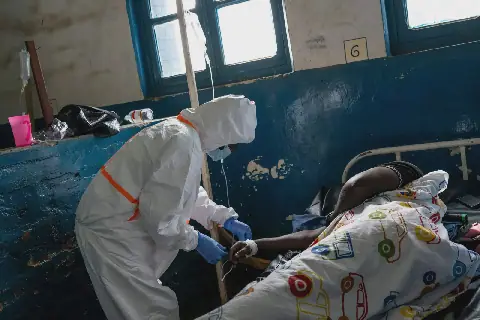
The treatment of malaria in infants depends on the clinical condition of the child and the severity of the disease. In Chad, the management of malaria follows the guidelines established by the National Malaria Control Program (PNLP). For simple malaria cases, treatment involves administering oral antipaludics, provided the infant's condition allows it. However, if the child's condition does not permit oral medication, such as in cases of vomiting, injectable treatment may be necessary. In severe malaria cases, treatment relies on injectable antipaludics, in accordance with national protocols.
Dr. Dieudonné explains that, according to PNLP guidelines, the treatment of simple malaria primarily involves therapeutic combinations based on artemisinin (CTA), administered orally. These include artemether-lumefantrine, dihydroartemisinin-piperaquine, and artesunate-amodiaquine. For severe malaria cases, treatment involves injectable artesunate as a first-line treatment, injectable artemether as a second-line treatment, and injectable quinine as a third-line treatment.
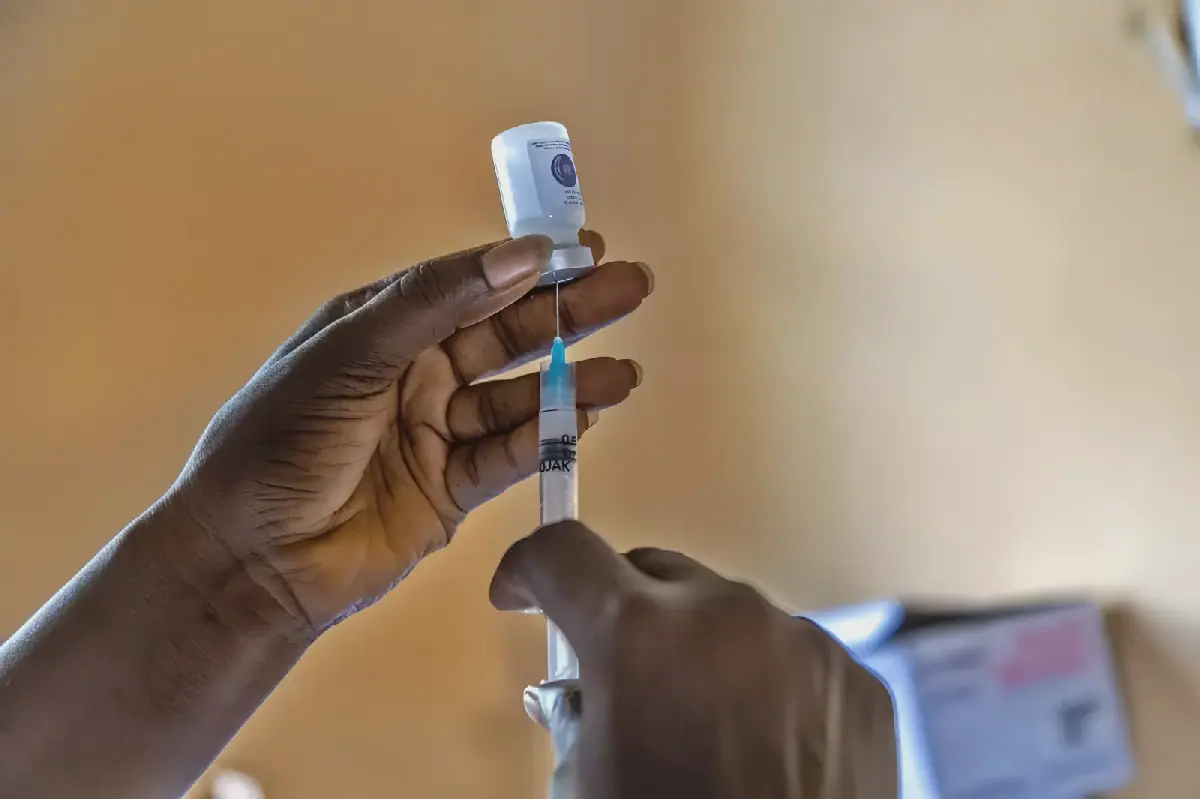
Prevention is essential to protect infants from malaria. Dr. Dieudonné recommends having children sleep under insecticide-treated bed nets, wearing long clothing, and combating mosquito proliferation by avoiding stagnant water and maintaining drainage channels. Home spraying can also help reduce mosquito presence. Additionally, the Ministry of Health, through the PNLP, organizes seasonal malaria chemoprevention (CPS) campaigns for children aged 3 to 59 months.
These campaigns involve administering preventive medication to eligible children. Dr. Dieudonné encourages parents to have their children benefit from this measure when health agents visit households. He also advises parents to consult a healthcare professional promptly if symptoms appear and to avoid self-medication. In infants, malaria can rapidly progress to a severe form, making early intervention crucial.
The National Malaria Control Program plays a vital role in coordinating efforts to combat malaria in Chad. The program establishes guidelines for diagnosis, treatment, and prevention, and works to raise awareness among the population. Dr. Dieudonné's recommendations emphasize the importance of collaboration between healthcare professionals, parents, and the community to prevent and manage malaria in infants.
By following these guidelines and taking preventive measures, parents and caregivers can help protect infants from malaria and reduce the risk of complications. The healthcare community in Chad continues to work towards improving diagnosis, treatment, and prevention strategies to combat this life-threatening disease.
Key points
- Malaria in infants requires prompt medical attention to prevent complications.
- Treatment of malaria in infants depends on the severity of the disease.
- Prevention measures, such as insecticide-treated bed nets and seasonal chemoprevention, are essential to protect infants from malaria.