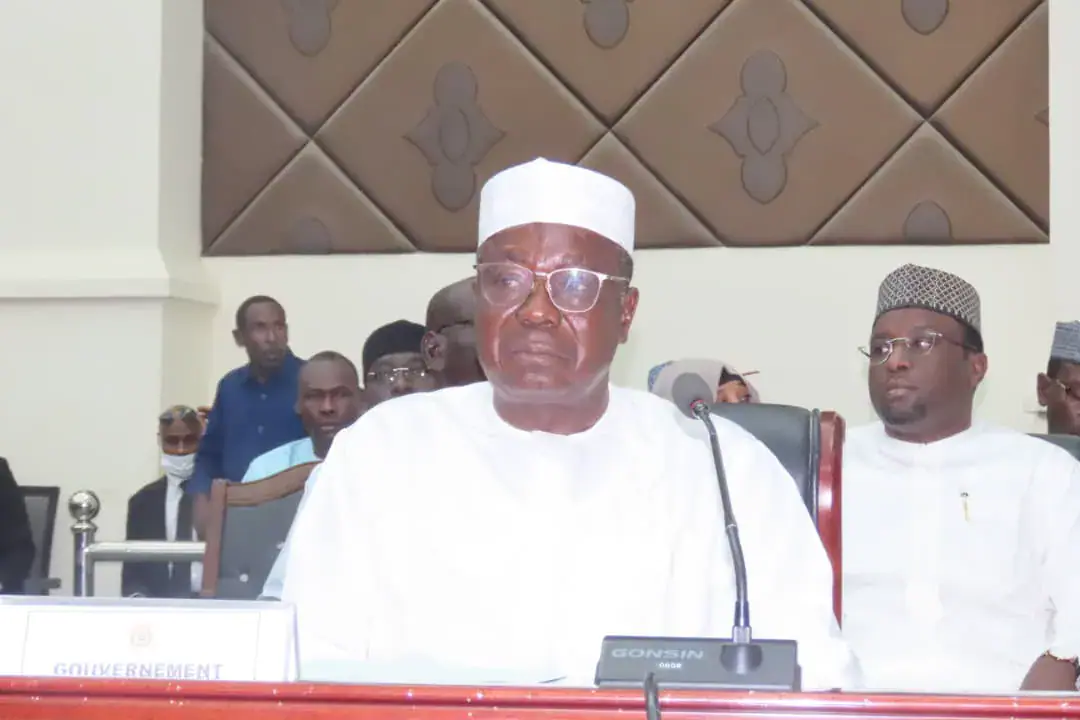
Chad's Minister of Production and Agricultural Industrialization, Keda Ballah, presented measures to support farmers impacted by a disrupted agricultural campaign due to irregular rainfall. The campaign, which started in 2026, has been challenging for Chadian farmers. Ballah announced that the government will provide seeds, inputs, solar boreholes, and enhanced supervision to mitigate the effects of the irregular rainfall.
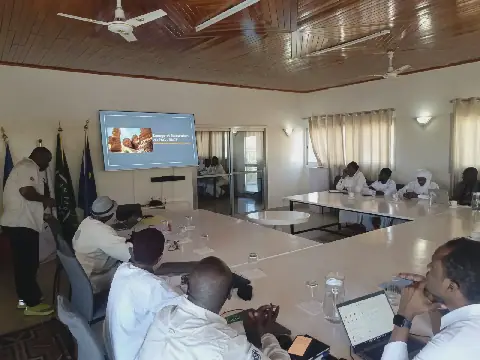
According to Ballah, the irregular distribution of rainfall has affected pastures and the development of staple crops, particularly during the flowering stage. He attributes this situation to climate change, which is a major concern for the government. A mission comprising several ministers, technical officials, and international partners visited eleven heavily affected provinces to assess the situation. The mission led to short-term and medium-term actions, which will be implemented by relevant departments.
The government has taken steps to address the concerns of farmers. Ballah announced that six tons of rice seeds are available for off-season crops. Additionally, 15 tons of vegetable seeds have been provided by the FAO for the Barh El Gazel, Kanem, Batha, and Ouaddaï provinces. The off-season crops include onions, peppers, okra, carrots, watermelon, and tomatoes. Furthermore, 3,000 vegetable kits are available for these provinces.
The government has also made a significant order for 5,000 tons of seeds, mainly sorghum and maize, through the Pérensa project. Part of this order includes vegetable seeds, which will also help prepare for the next campaign. Ballah emphasized the need to mobilize more underground water resources and land suitable for off-season crops. He believes that food security cannot be solely dependent on rainfall.
In terms of fertilizers, Ballah announced that 380 tons of NPK are available in the twelve provinces covered by the 3Agri project. An additional 10 tons are being ordered, with an expected delivery within three months. He also mentioned a fertilizer plant project, for which the first stone has been laid. The investor aims to start producing organic-mineral fertilizers in April, with an annual target of 176,000 tons.
Despite these efforts, Ballah acknowledged two challenges: rapid dissemination of alerts and mobilization of resources necessary for emergency interventions. The government is working to address these issues and ensure that farmers receive the necessary support. The measures announced by the government aim to reduce the dependence of agriculture on rainfall and promote sustainable agricultural practices.
The situation has prompted concerns about food security in Chad. The government's efforts to support farmers and promote sustainable agriculture are crucial in addressing these concerns. The impact of climate change on agriculture is a major challenge for the country, and the government's response will be closely watched.
Key points
- The Chadian government has announced measures to support farmers affected by irregular rainfall, including distribution of seeds, fertilizers, and irrigation systems.
- The measures aim to reduce the dependence of agriculture on rainfall and promote sustainable agricultural practices.
- The government has ordered 5,000 tons of seeds and has 380 tons of NPK fertilizers available in twelve provinces.