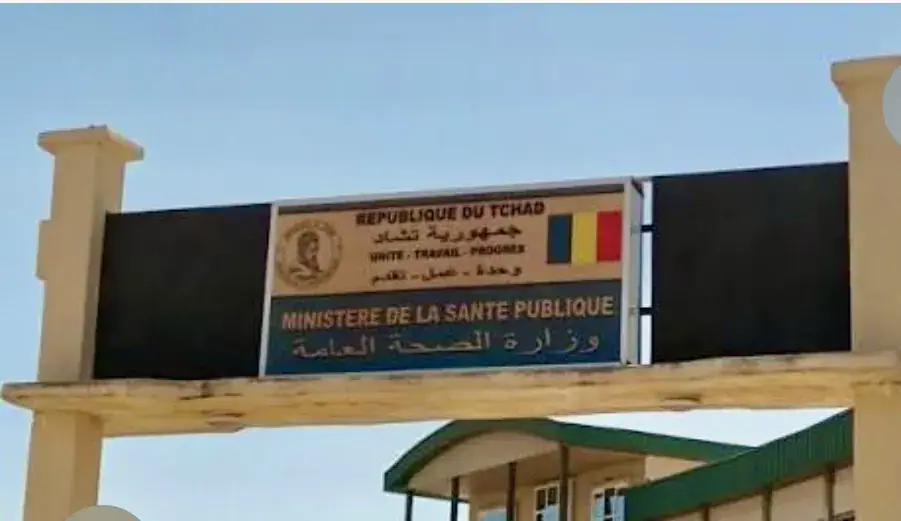
The Chadian Ministry of Public Health and Prevention has heightened its surveillance and preparedness measures to mitigate the risk of Ebola virus spread. This move comes after a case of Bundibugyo virus disease was confirmed in Abuja, Nigeria, on October 20, 2026. According to the ministry, no cases have been reported in Chad as part of this alert.
In a statement dated October 23, 2026, the ministry announced the reinforcement of surveillance in public and private health facilities, communities, and key entry points. These measures are being implemented in coordination with the World Health Organization (WHO) and neighboring countries. The plan also includes rapid notification and investigation of alerts, under the coordination of the Public Health Emergency Operations Center (COUSP).
Health authorities will verify the availability of rapid intervention teams, personal protective equipment, and essential supplies. They also aim to ensure that necessary means for triage, isolation, and care of suspected cases, as well as secure transportation of patients and samples, are operational.
The ministry reminds the public that the virus is transmitted through direct contact with the blood or other bodily fluids of an infected person or through contaminated objects. Symptoms can appear between two and 21 days after exposure, including fever, intense fatigue, muscle pain, headaches, vomiting, and diarrhea.
Individuals exhibiting these symptoms after traveling to an affected area or having been in contact with someone infected are advised to immediately alert health services, limit their contacts, and call a health facility before visiting to ensure safe care. The ministry also recommends regular handwashing and discourages unprotected contact with biological fluids or potentially contaminated objects.
The health authorities urge the population to remain calm and vigilant, rely on official sources for information, and avoid spreading rumors. The ministry assures the public that it will provide regular updates on the situation based on verified surveillance data and information.
The strengthened surveillance and preparedness measures are being put in place as a precautionary measure to prevent the spread of the disease in Chad. The ministry's efforts aim to ensure a rapid response in case of an outbreak and to protect the health of the population.
Key points
- Chad's health ministry is working closely with the WHO and neighboring countries to monitor the situation and prevent the spread of the disease.
- The ministry is reinforcing surveillance in public and private health facilities, communities, and key entry points to quickly detect and respond to potential cases.
- The public is advised to remain vigilant, practice good hygiene, and seek medical attention immediately if symptoms occur.