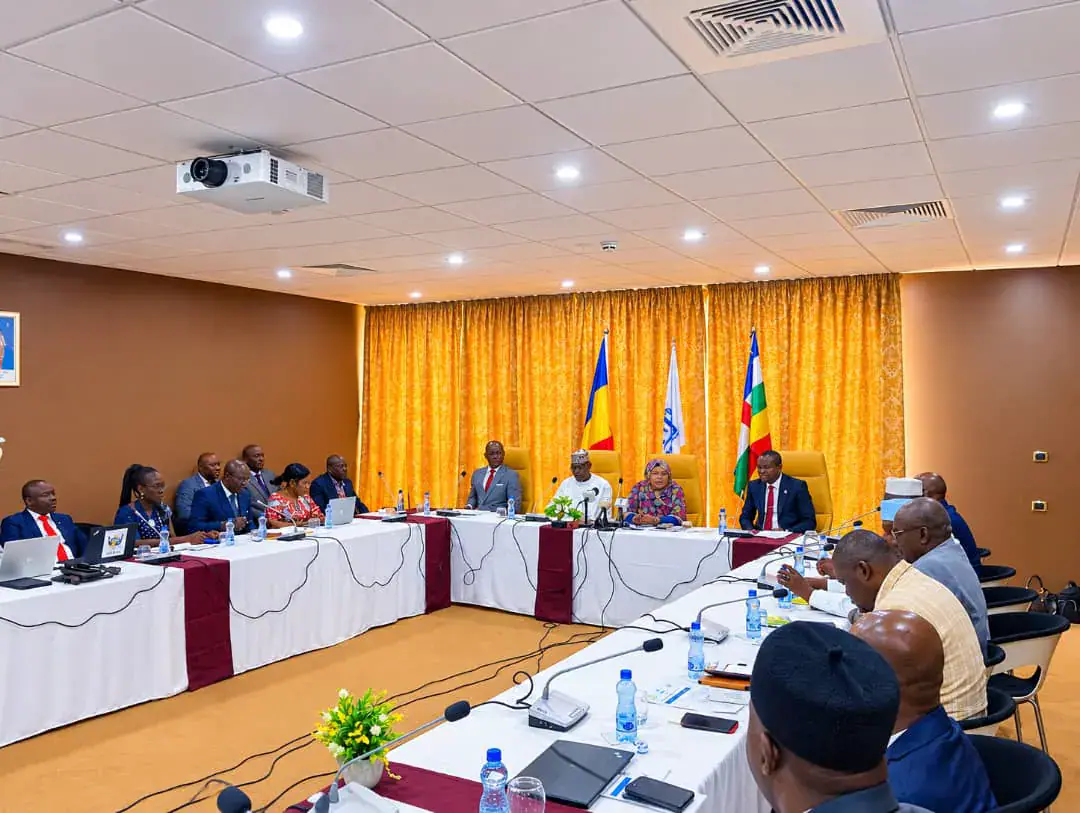
A tripartite meeting between Chad, the Central African Republic (CAR), and the United Nations High Commissioner for Refugees (UNHCR) took place in N'Djamena on November 3-4, 2026. The meeting aimed to revive the voluntary repatriation process of Central African refugees living in Chad and define practical modalities for their safe and dignified return. The refugees have been living in Chad since fleeing the conflict in CAR. The meeting brought together stakeholders to discuss the way forward.
Chad currently hosts over 140,000 Central African refugees. With the gradual improvement in security in CAR, authorities from both countries and their partners are working to strengthen mechanisms for durable solutions for forcibly displaced populations. This effort aligns with a regional dynamic, marked by the Yaoundé Declaration of April 27, 2022, adopted by CAR and six host countries, including Chad. The declaration seeks to address the plight of refugees and displaced persons in the region.
The CAR has developed a National Strategy for Durable Solutions (2024-2028), aiming to facilitate the return of 300,000 refugees by 2028. In line with this strategy, a tripartite agreement was signed on October 22, 2024, between CAR, Chad, and UNHCR to govern the voluntary repatriation of Central African refugees in Chad. The agreement provides for the establishment of a tripartite commission and a technical working group to oversee the process.
Since the agreement's signing, interest in returning to CAR appears to be growing. According to UNHCR data, 61,725 people expressed willingness to return in September 2025. The N'Djamena meeting follows several preparatory steps, including the launch of operational activities in Goré on March 27, 2026, and a trans-border meeting between competent structures from both countries and UNHCR. A "Go and See" visit took place from September 14-17, 2026.
A technical preparatory meeting of experts was held in Bangui on September 28-29, 2026. During the N'Djamena meeting, participants formally installed the tripartite commission, adopted its terms of reference, and examined technical, logistical, and security aspects of the repatriation process. They also defined responsibilities, established a calendar for launching operations, and identified necessary resources.
Chad's Minister of Social Action, Solidarity, and Humanitarian Affairs, Zara Mahamat Issa, emphasized that repatriation must be voluntary, safe, and dignified. She assured that Chad will not force any refugee to return against their will, adding that those not ready to return will continue to receive protection and assistance in line with Chadian legislation and international commitments.
The meeting's outcome will be crucial in determining the success of the voluntary repatriation process. Key stakeholders will continue to work together to ensure that the return of refugees is safe, dignified, and sustainable. The tripartite commission will play a vital role in coordinating efforts and ensuring that the process is well-planned and executed.
Key points
- The tripartite meeting aims to facilitate the safe and dignified return of over 140,000 Central African refugees living in Chad.
- The CAR has developed a National Strategy for Durable Solutions (2024-2028) to facilitate the return of 300,000 refugees by 2028.
- A tripartite agreement was signed in October 2024 to govern the voluntary repatriation of Central African refugees in Chad.