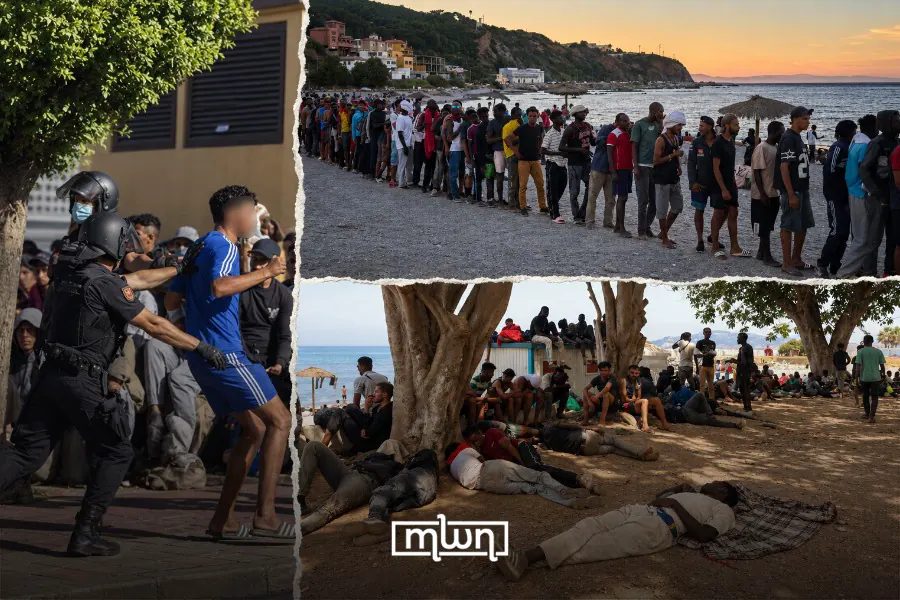
The treatment of migrants in Spanish-occupied Ceuta has drawn renewed scrutiny as reports of racist abuse, attacks, and anti-migrant rhetoric emerge following July's mass arrival. The migration crisis in Ceuta has been accompanied by a rise in racist abuse, anti-migrant hostility, and alleged attacks against people who entered the city during the mass arrival in late July. Concerns over public services, security, and the management of migration have triggered debates in Ceuta.
Incidents targeting migrants have raised concerns among anti-racist organizations about the treatment of people who remain in the city. Representatives from SOS Racismo Madrid, the Migrantes Transgresorxs Collective, and Border Resistance gathered in Madrid to denounce what they described as racist and colonial violence against migrants in Ceuta and Melilla. They called on Spain, Morocco, and the European Union to take responsibility for the situation.
Mehdi Elias, spokesperson for SOS Racismo Madrid, reported a 70% increase in cases of racism and Islamophobia recorded by the organizations between July and August. The groups also reported concerns about migrants being allegedly harassed or attacked in areas where they sleep, particularly people in vulnerable situations, such as minors. These incidents have sparked fears about the safety and well-being of migrants in Ceuta.
Reports from Ceuta have documented a series of incidents targeting migrants as tensions intensified. Clashes erupted after protesters moved toward an area where migrants were sleeping, and some migrants' belongings were set on fire during the disturbances. Fires also destroyed at least 40 tents and shelters at the Las Naves del Tarajal migrant settlement on September 11, leaving around 200 people without accommodation.
The hostility has also affected Ceuta residents who were mistaken for migrants. A 13-year-old girl born in Ceuta was verbally attacked during a demonstration after another participant apparently mistook her for a migrant. Spanish authorities have documented a substantial increase in racist and xenophobic content online following the mass arrival of migrants on July 30 and 31.
According to Spain's Observatory on Racism and Xenophobia (OBERAXE), its FARO monitoring system detected 9,590 hate messages in the two days surrounding the mass entry into Ceuta. During July as a whole, it detected 57,406 pieces of hate speech and discriminatory content, compared with 40,800 in June. The trend continued in August, with OBERAXE recording 101,025 reportable hate-speech and discriminatory contents, a 76% increase from July.
The observatory found that 39% of the material analyzed in August was linked to the border crossing in Ceuta, while many messages targeted migrants and people from North Africa. It also found that 58% of the analyzed content used aggressive language, including insults, threats, and disqualifications. Anti-racist organizations and advocates continue to call for greater accountability and protection for migrants in Ceuta and beyond.
Key points
- Mehdi Elias reported a 70% increase in cases of racism and Islamophobia recorded by SOS Racismo Madrid between July and August.
- Fires destroyed at least 40 tents and shelters at the Las Naves del Tarajal migrant settlement on September 11.
- OBERAXE recorded 101,025 reportable hate-speech and discriminatory contents in August, a 76% increase from July.