In Morocco, residents have noticed a peculiar and pungent smell while walking in the streets, particularly during spring and autumn. The odor is often compared to that of semen or rotting fish. This phenomenon has raised questions about its cause, with some wondering if it's a sign of a problem or a normal occurrence. The scientific explanation behind this smell is linked to the nature of certain trees. A chemical compound called "amines" is released by the flowers of these trees, which is also found in semen and fish.
The amines are organic compounds that are naturally produced by the trees as a way to facilitate reproduction. This process is an evolutionary tactic employed by nature to help the trees reproduce. The strong smell attracts insects such as bees and certain types of beetles, which transfer pollen between trees, allowing them to produce fruit and continue their life cycle. This process is essential for the trees' survival and propagation.
One of the trees known to emit this pungent smell is the carob tree, which is widely found in Morocco and the Mediterranean region. During its blooming period, especially in male trees, the flowers release a strong and unpleasant odor that is similar to the smell people often complain about. Another tree, known as the Pyrus calleryana or the "semen tree," is also notorious for its strong-smelling flowers.
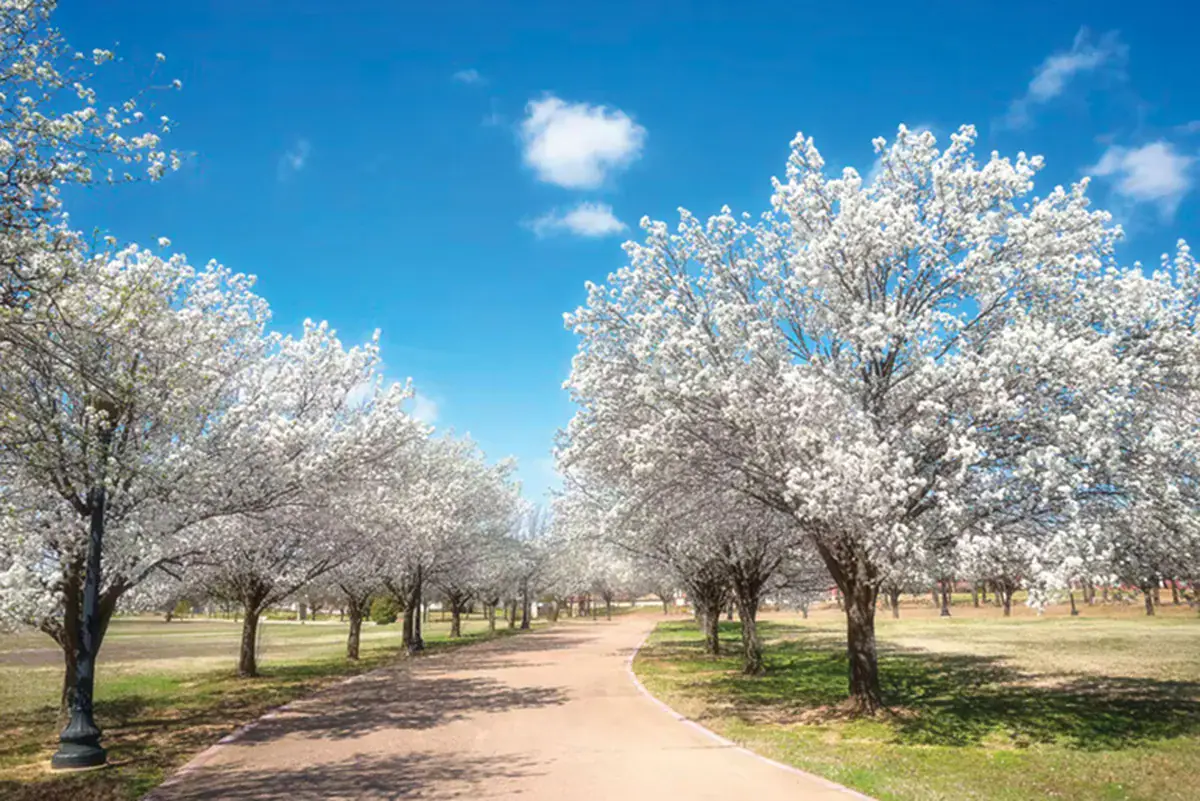
The Pyrus calleryana is often planted in streets and public spaces due to its beautiful white flowers that bloom in the spring. However, its aesthetic appeal is offset by the intense, unpleasant smell it produces, earning it the nickname "semen tree" globally. The smell can be overwhelming and is often noticed in public areas where these trees are planted.
While the smell can be embarrassing and disturbing for people and families passing by these trees, it is a temporary and natural phenomenon linked to the blooming period. Once this period ends, the situation returns to normal. Residents and visitors are advised to be aware of this natural process and understand that it is a normal part of the trees' life cycle.
The carob tree and Pyrus calleryana are just a few examples of trees that release strong-smelling compounds during their blooming periods. These compounds play a crucial role in the reproduction of the trees and are a natural part of their life cycle. Understanding the cause of these smells can help alleviate concerns and complaints from the public.
In conclusion, the pungent smell resembling semen emitted by certain trees in Morocco is a natural and temporary phenomenon linked to their reproduction process. While it can be unpleasant, it is an essential part of the trees' life cycle and plays a crucial role in their survival and propagation.
Key points
- The smell is caused by a chemical compound called "amines" released by the flowers of certain trees.
- The trees release this smell as a way to attract insects and facilitate reproduction.
- The carob tree and Pyrus calleryana are two examples of trees known to emit this pungent smell.