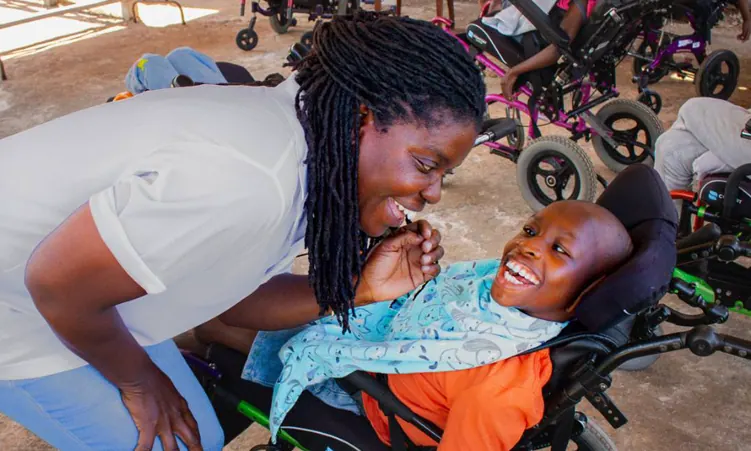
Today, people around the world are observing World Cerebral Palsy Day, an annual event that shines a light on the unique experiences and strengths of individuals living with cerebral palsy. This year's theme, #UniqueAndUnited, aims to promote collective action for a more inclusive world, where people with cerebral palsy can thrive and reach their full potential. According to the World Health Organisation, cerebral palsy affects the development of movement and posture, causing limitations to activities.
Cerebral palsy is a condition that affects movement, balance, and posture, but its impact varies widely from one person to another. Some individuals with cerebral palsy can walk, while others require assistance. The condition can also affect speech and eating, leading to delays in speech development, difficulty speaking, and problems with fine motor skills. Mayo Clinic notes that symptoms generally appear during infancy or the preschool years, and can include stiff muscles, changes in muscle tone, and difficulty with balance and coordination.
The effects of cerebral palsy are not the same for everyone, and the condition can have a significant impact on daily life. Some people with cerebral palsy may experience developmental delays, learning or intellectual disabilities, seizures, hearing or vision problems. However, with the right support and interventions, individuals with cerebral palsy can lead fulfilling lives and achieve their goals. The World Health Organisation emphasises that a broad range of interventions, from early childhood and across the life span, can optimise development, functioning, health, and well-being.
Despite the challenges posed by cerebral palsy, there is no cure, but treatment options can help improve daily functioning. Mayo Clinic notes that treatment may include medicine, therapy, surgical procedures, and other interventions, depending on an individual's symptoms and needs. Early intervention is critical, and care may involve healthcare professionals, rehabilitation specialists, therapists, and other specialists. By working together, it is possible to make a positive impact on the lives of people with cerebral palsy.
World Cerebral Palsy Day organisers estimate that more than 50 million people worldwide live with cerebral palsy, and describe the annual observance as a global movement for people with cerebral palsy, their families, and supporters. This year's #UniqueAndUnited campaign encourages people with cerebral palsy to identify changes they want to see, including greater inclusion and equal opportunities in areas such as education. The campaign aims to break down barriers and promote a more inclusive society.
One of the key areas of focus for the #UniqueAndUnited campaign is education, where people with cerebral palsy often face significant challenges. The campaign states that individuals with cerebral palsy should not have their potential limited by inaccessible classrooms, technology, or assumptions about what they can achieve. By promoting greater inclusion and accessibility, it is possible to create a more equitable and supportive learning environment.
As World Cerebral Palsy Day comes to a close, organisers are calling for continued support and action to promote greater inclusion and understanding of cerebral palsy. By working together, it is possible to create a more supportive and inclusive society, where people with cerebral palsy can thrive and reach their full potential. The #UniqueAndUnited campaign will continue to promote the rights and needs of people with cerebral palsy, and to advocate for a more equitable and just society.
Key points
- Cerebral palsy affects over 50 million people worldwide, with diverse experiences and strengths.
- The #UniqueAndUnited campaign promotes collective action for a more inclusive world.
- Early intervention and support can significantly improve outcomes for people with cerebral palsy.