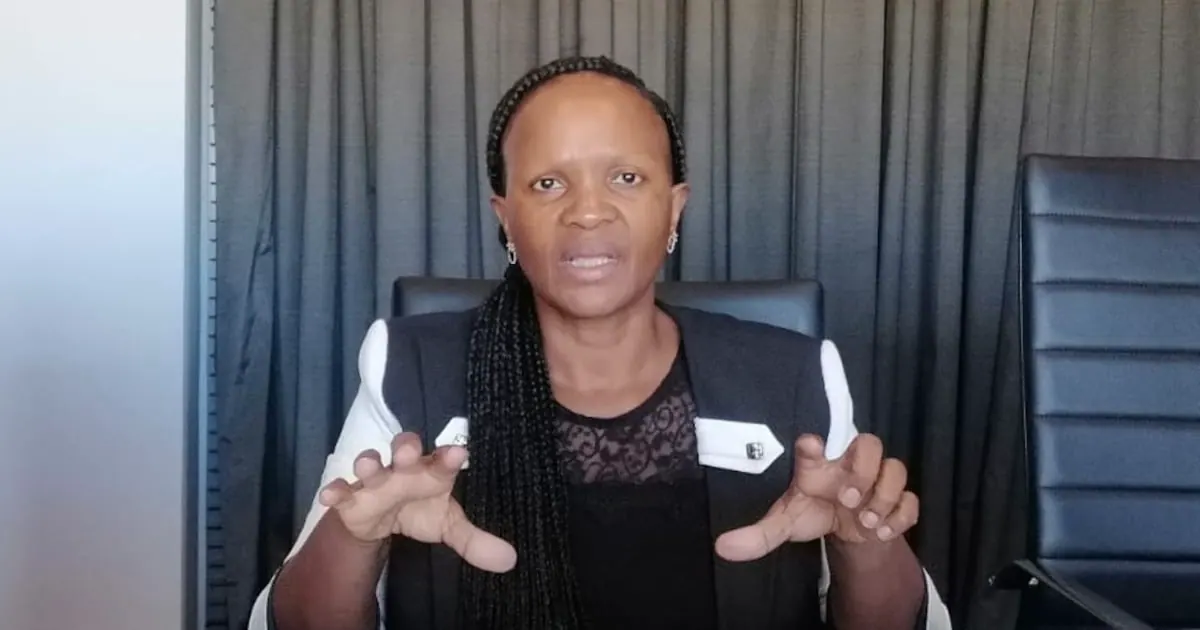
The Central Energy Fund (CEF) of South Africa is making progress in securing investments to revive its refineries, including repairs to the flood-damaged South African Petroleum Refineries (Sapref) plant in Durban. The fund's chair, Ayanda Noah, stated that the CEF is actively seeking private investors and development finance institutions (DFIs) to support the revival of the refineries. A business case for the Sapref refinery has been concluded, with an estimated cost of R100bn to rebuild the 400 kilobarrels a day facility.
Noah revealed that the CEF is planning a roadshow to attract investors and explore potential partnerships. The fund is also examining synergies between the Sapref and PetroSA refineries in Mossel Bay to reduce costs. The business case for the PetroSA refinery is expected to be ready within a month or six weeks. Noah expressed confidence that sourcing funding should not be difficult, with indications of interest from local and continental investors.
The revival of South Africa's refining capacity has gained urgency due to soaring oil prices caused by global conflicts. Noah emphasized that the CEF is not relying on government funding, as the National Treasury is stretched. Instead, the fund is focused on generating its own income and supporting itself without seeking bailouts. This approach is crucial, given the current economic climate and the need for self-sufficiency.
Aluwani Museisi, South Africa chair for Shell Downstream, highlighted the importance of oil and gas exploration amid energy price shocks. He noted that the current geopolitical situation is affecting the supply of petroleum products, with South Africa importing most of its products from the Gulf, the Mediterranean, and Singapore. The conflict has disrupted global supply chains, leading to increased costs and logistical challenges.
Museisi explained that Shell has had to adapt to the changing situation by switching to alternative sources, including the US, which has resulted in steeper costs. Despite these challenges, the company remains committed to keeping its fuel stations supplied. The current situation has underscored the need for South Africa to develop its own refining capacity and explore alternative energy sources.
Gwede Mantashe, the minister of petroleum and mineral resources, has emphasized the need for South Africa to explore and exploit its gas resources. He warned that the country faces a "gas cliff" in 2028, which can be averted by discovering and developing new gas deposits. Mantashe highlighted that piped gas from Mozambique's Pande and Temane fields, which has met 90% of South Africa's needs for decades, is now in decline.
The South African government is implementing a two-pronged strategy to address the energy challenges, including immediate imports and accelerated domestic development. The strategy aims to avert an industrial cliff edge and ensure a stable energy supply. The revival of the refineries and exploration of gas resources are critical components of this strategy, which will require significant investment and collaboration between public and private sector stakeholders.
Key points
- The Central Energy Fund is seeking R100bn to rebuild the 400 kilobarrel-a-day Sapref refinery.
- The fund is exploring synergies between the Sapref and PetroSA refineries to reduce costs.
- South Africa faces a "gas cliff" in 2028, which can be averted by discovering and developing new gas deposits.