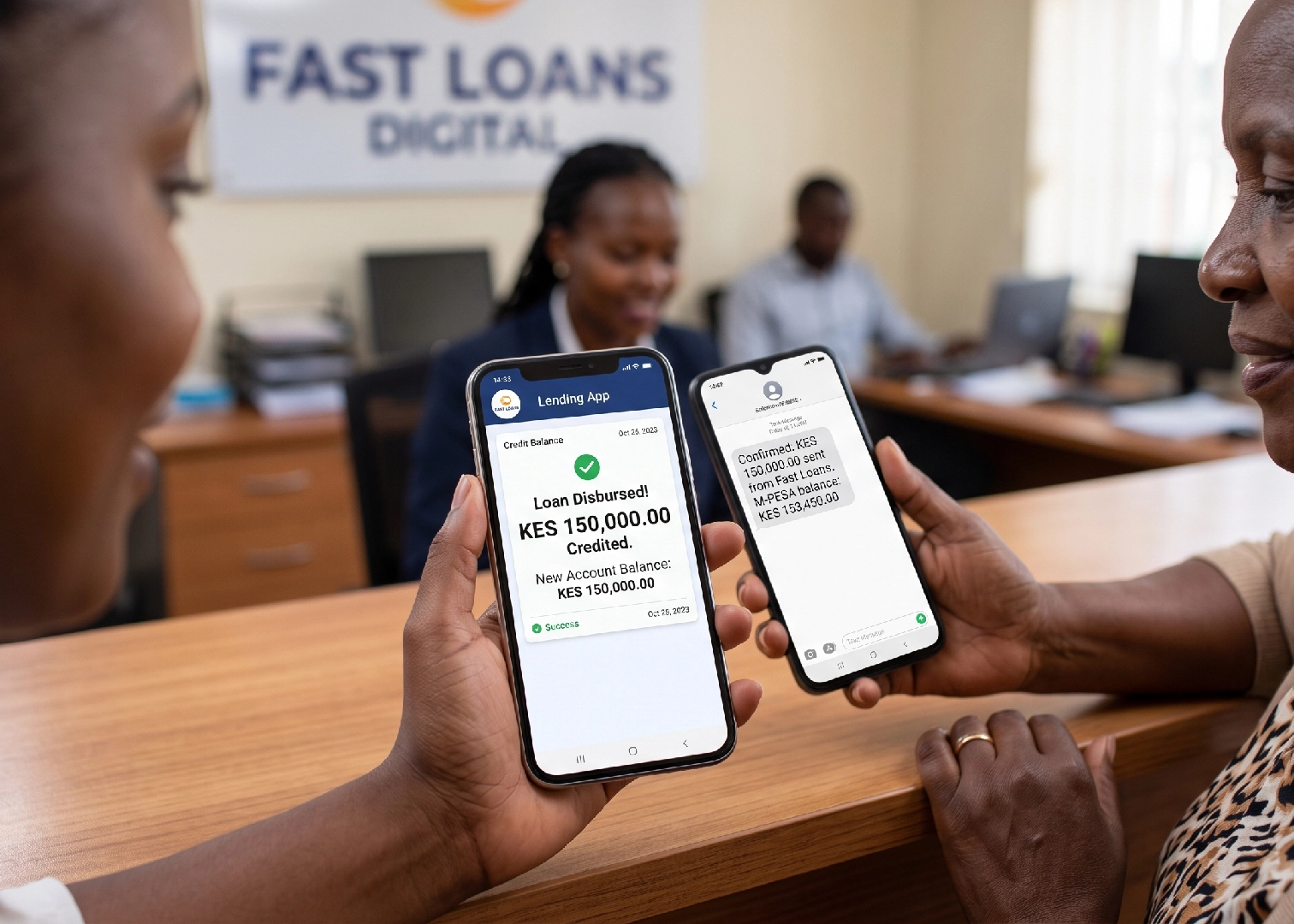
The Central Bank of Kenya (CBK) has licensed 29 new Digital Credit Providers (DCPs), increasing the number of regulated digital lenders to 281. This move comes two months after 25 digital lenders were licensed in July. Since March 2022, when digital lenders were placed under CBK supervision, over 900 applications have been received. The licensing process involves reviewing an applicant's business model, consumer protection measures, and the suitability of its shareholders, directors, and managers.
The demand for digital loans in Kenya is substantial, with licensed lenders issuing 9.6 million loans worth KES 165.1 billion by August 2026. This translates to an average loan amount of KES 17,200. The licensing regime was introduced to address concerns about the operations of some digital lenders, including the cost of borrowing, debt collection practices, and handling of customers' personal information.
The CBK's licensing process aims to ensure that digital lenders operate transparently and fairly. Licensed providers can offer various financial products, including short-term personal loans, education, business, and asset-financing facilities, through mobile apps and USSD services. This allows borrowers to access credit without visiting a bank branch.
Having a license does not mean that every product has the same pricing, eligibility rules, or repayment terms. Borrowers must still carefully review the total cost of a loan and its conditions before signing up. The growing list of licensed lenders enables borrowers to distinguish between regulated and unregulated lenders, with the CBK warning the public against dealing with unlicensed lenders.
The CBK's role in regulating digital lenders is becoming increasingly important as the market grows rapidly. The regulator must now closely monitor a sector that was previously largely unsupervised. With hundreds of applications still being processed and some applicants yet to complete their paperwork, the number of licensed digital lenders is likely to continue rising.
The licensing regime has been introduced to bring digital lenders under formal oversight, increasing transparency and accountability in the sector. By regulating digital lenders, the CBK aims to protect borrowers from unfair practices and ensure that lenders operate in a fair and transparent manner.
The CBK has urged applicants with incomplete files to submit their outstanding documents. As the sector continues to evolve, the regulator will need to maintain its vigilance to ensure that digital lenders comply with regulatory requirements. The increasing number of licensed digital lenders is a positive step towards a more formalized and regulated financial sector in Kenya.
Key points
- The Central Bank of Kenya has licensed 29 new digital lenders, bringing the total number of regulated providers to 281.
- Licensed digital lenders have issued 9.6 million loans worth KES 165.1 billion, with an average loan amount of KES 17,200.
- The licensing regime aims to protect borrowers from unfair practices and ensure that digital lenders operate in a fair and transparent manner.