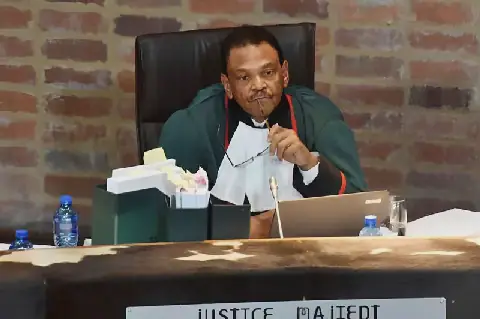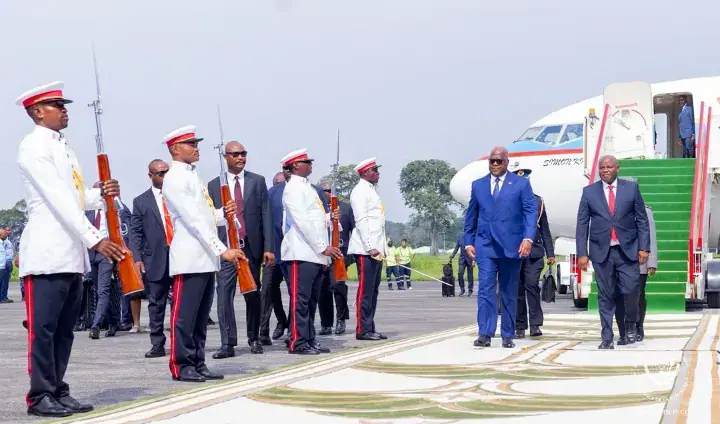
The 27th Heads of State and Government Summit of the Economic Community of Central African States (ECCAS) is underway in Malabo, Equatorial Guinea. President Teodoro Obiang Nguema Mbasogo is chairing the closed-door discussions. The summit focuses on the organization's future through Vision 2050, the 2026-2030 strategic plan, and its financing, as well as key sectors such as energy, health, maritime security, and border governance.
Rwanda, which was supposed to hold the rotating presidency of the bloc, is not attending the summit. In June 2025, Rwanda announced its withdrawal from the 11-member bloc, citing sabotage by the Kinshasa establishment. Kigali accuses Kinshasa of "instrumentalising" the ECCAS bloc and citing DRC support for the FDLR militia and ongoing security threats.
The Democratic Republic of Congo and Rwanda have a strained relationship, with Congolese officials accusing Rwanda of backing the M23 armed group. In response, President Felix Tshisekedi wants to use the summit to extend anti-Rwanda rhetoric. The Congolese Presidency stated that President Tshisekedi will call for the full implementation of United Nations Security Council Resolution 2773, which requires Rwanda to cease all support for the AFC/M23.
The ECCAS summit aims to accelerate regional integration in Central Africa for the benefit of the region's peoples. The bloc's Vision 2050 and strategic plan focus on promoting economic growth, reducing poverty, and improving the quality of life for citizens. However, Rwanda's absence and the tensions between DRC and Rwanda may dominate the discussions.
The summit also comes at a time when the region is facing various security challenges, including the ongoing conflict in the Democratic Republic of Congo. The M23 armed group, which is accused of committing human rights abuses, has been a major concern for the region. The ECCAS bloc has been working to address these security challenges and promote stability in the region.
Despite the challenges, the ECCAS summit is an opportunity for member states to come together and discuss regional issues. The bloc has made progress in recent years, including the establishment of a regional parliament and a central bank. However, the absence of Rwanda and the tensions between DRC and Rwanda may hinder the bloc's progress.
The outcome of the summit is expected to be crucial in determining the future of the ECCAS bloc. The bloc's ability to address regional challenges and promote integration will depend on the cooperation of its member states. The summit's success will also depend on the ability of leaders to put aside their differences and work towards a common goal.
Key points
- Rwanda's withdrawal from ECCAS has created tensions within the bloc.
- The summit focuses on Vision 2050 and the 2026-2030 strategic plan.
- DRC and Rwanda have a strained relationship due to accusations of supporting armed groups.