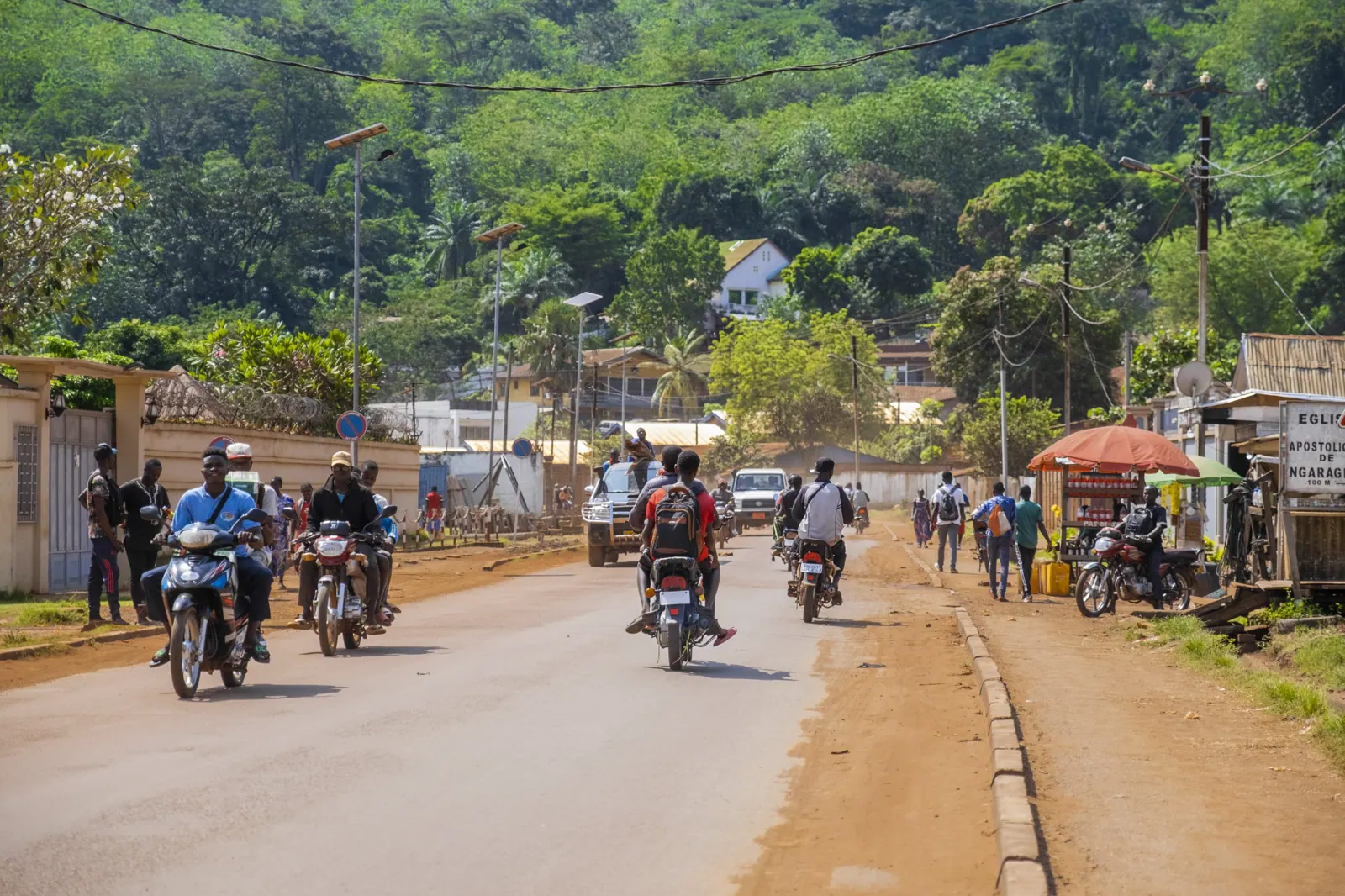
In the Central African Republic, a collective of ten major trade unions is calling for salary increases and pension adjustments in response to rising fuel prices. The unions, including the CCTC, CGTC, and CTID, claim that these measures are necessary to offset the impact of higher fuel costs on purchasing power. If not addressed, the unions demand the outright cancellation of the fuel price hikes. This development signals growing discontent with the cost of living in the country.
The unions have expressed concern over the deteriorating living conditions of households, emphasizing that the increased fuel prices exacerbate the daily struggles of workers who are finding it difficult to meet their families' basic needs. In an official letter to the discussion committee, the unions highlighted the escalating difficulties faced by workers. They stressed that, so far, they have not initiated protests but warned that public dissatisfaction is on the rise.
The collective of unions has submitted their letter to key institutions, including the Presidency, National Assembly, and Prime Minister's office. Copies were also sent to ministries responsible for Transport, Energy, and Labor. The unions are urging the government to take swift action to alleviate household burdens caused by the increased cost of living.
The move by the unions comes as a reaction to the recent surge in fuel prices at the pump. The increased costs have added to the economic strain on households, prompting the unions to seek measures that would cushion the impact on workers. The unions' demands reflect broader concerns about the economic situation and its effects on the population.
According to the unions, the current situation requires immediate attention from the government. They argue that without intervention, the rising cost of living will continue to erode the purchasing power of workers, leading to greater hardship. The unions' call for action underscores the need for the government to address the economic challenges facing the country.
The situation in the Central African Republic highlights the delicate balance between economic policy and social welfare. The government's response to the unions' demands will be closely watched, as it will likely influence the economic outlook and social stability in the country. The unions' unified stance emphasizes the urgency of finding a solution to the current economic difficulties.
The Central African Republic has faced numerous economic challenges, and the current fuel price increases have added to the strain on households. The government's decision on whether to implement salary increases or reverse the fuel price hikes will have significant implications for the country's economic and social landscape.
Key points
- The Central African Republic's unions demand salary increases or cancellation of fuel price hikes.
- The unions' demands aim to mitigate the impact of rising fuel costs on workers' purchasing power.
- The situation highlights the need for the government to address economic challenges and balance policy with social welfare.