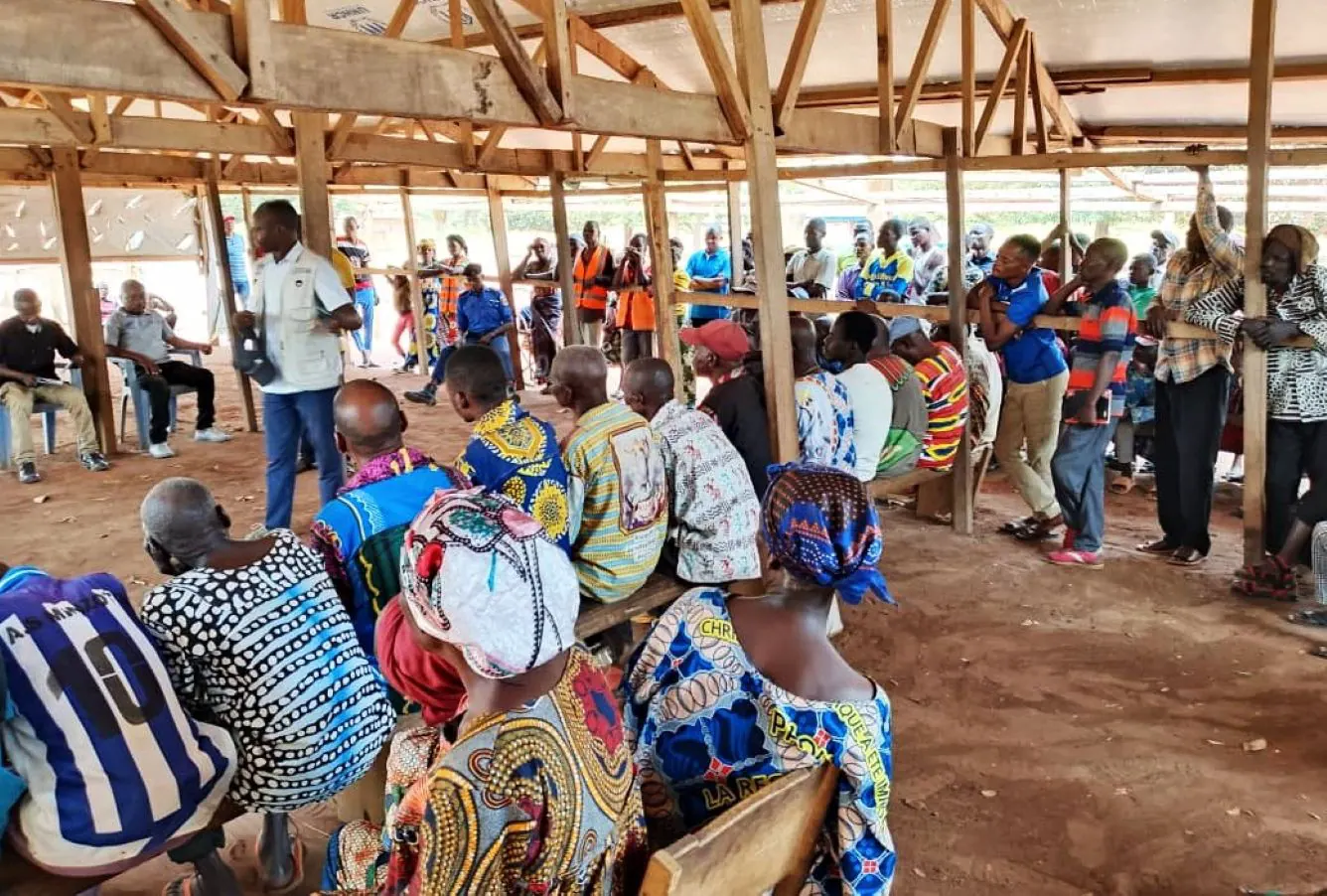
The Platform for Sustainable Solutions Support has stepped up efforts to facilitate the voluntary repatriation of forcibly displaced individuals in the Central African subregion. An extraordinary three-day meeting concluded on September 30 in Bangui, bringing together ministers of humanitarian action from Chad, Cameroon, both Congos, both Sudans, and the Central African Republic. They reviewed progress and challenges in implementing the repatriation process for Central African refugees.
The meeting, attended by regional and national experts, focused on the voluntary return of refugees who fled the Central African Republic due to armed conflicts that began in 2013. Over 650,000 people found refuge in neighboring countries, including the Democratic Republic of Congo, Republic of Congo, Sudan, South Sudan, Chad, and Cameroon. The Yaoundé Declaration, adopted on April 22, 2022, formalized a regional commitment to sustainable solutions and voluntary repatriation.
According to William Chemaly, representative of the UN High Commissioner for Refugees (HCR) in the Central African Republic, it is essential to respect the wishes of refugees. While some have rebuilt their lives in host countries, others long to return home. The HCR representative noted that some refugees have integrated well into their host communities, while others wish to return to the Central African Republic.
The Central African government emphasizes the importance of protecting returnees. Minister of Humanitarian Action Lina Josiane Bemakassoui stated that the priority is to facilitate the dignified return of compatriots. The goal is not only to return but also to ensure protection and find a welcoming environment, as the Central African Republic is a land of refuge.
The conflicts in the Central African Republic have displaced over a million people since 2013. The government, in collaboration with regional countries and the HCR, aims to create a conducive environment for voluntary repatriation. This includes ensuring the safety and dignity of returnees.
The Yaoundé Declaration marked a significant step towards regional cooperation on refugee issues. By working together, countries in the region can address the complexities of refugee repatriation and provide support to those who wish to return home.
As efforts to facilitate voluntary repatriation continue, the international community is watching closely. The success of this initiative will depend on the cooperation of regional countries, the HCR, and other stakeholders in ensuring a safe and dignified return for Central African refugees.
Key points
- Regional countries are working together to facilitate the voluntary repatriation of Central African refugees.
- The Central African government prioritizes the protection and dignified return of refugees.
- Over 650,000 Central African refugees are currently living in neighboring countries.