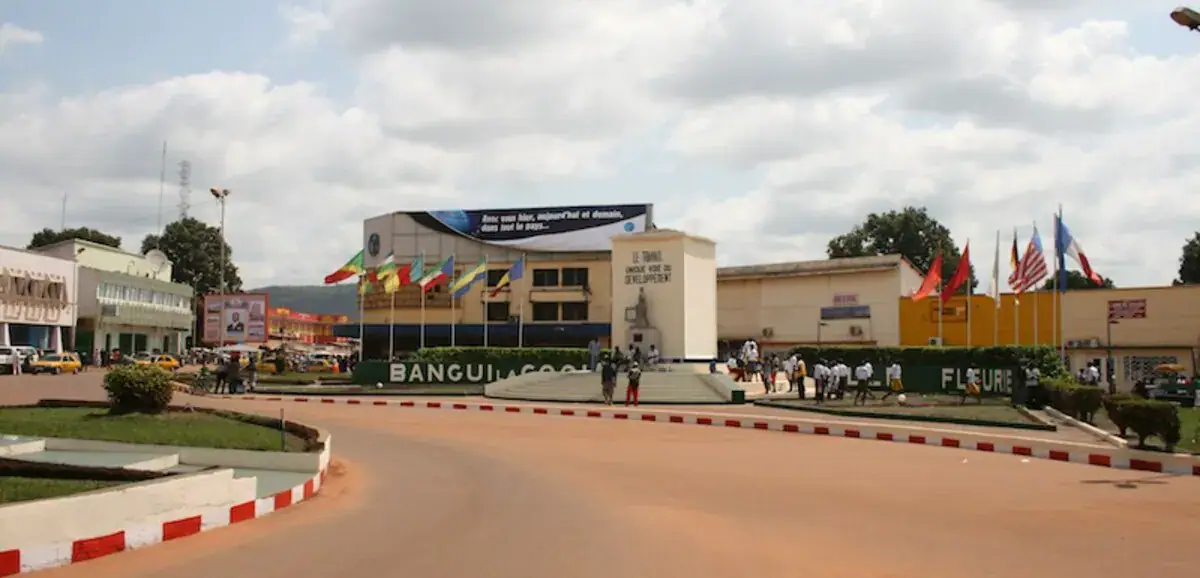
The Central African Republic government has deemed a planned protest by the opposition against fuel price hikes illegal. The protest, scheduled for November 13 in Bangui, was called by the Republican Bloc for the Defense of the Constitution (BRDC). The BRDC is protesting against the recent increase in fuel prices and demanding the release of four civil society leaders arrested in October.
The government has warned the opposition that it will not allow the protest to take place, with government spokesperson Evariste Ngamana stating that it would be illegal. Ngamana urged young people not to follow the opposition leaders, citing the need to respect the rules and maintain order in the country. The government has not specified what measures it will take to prevent the protest.
The BRDC is demanding the immediate release of the four arrested civil society leaders, as well as the publication of a convention between the state and Neptune Oil SA, the company responsible for importing fuel via Cameroon. The opposition also wants the liberalization of the downstream oil sector and a reduction in fuel prices to less than 1,000 CFA francs per liter.
Fuel prices have risen significantly in the Central African Republic since early October, with the price of gasoline increasing to 1,150 CFA francs (1.75 euros) per liter and diesel fuel to 1,400 CFA francs (2.13 euros) per liter. The country, one of the poorest in Africa, has struggled with logistical and security challenges due to its landlocked location, leading to frequent fuel shortages and a thriving black market.
The government has described the BRDC as an "illegitimate and illegal" organization, citing its lack of legal status and refusal to participate in elections. The BRDC's demands have been met with skepticism by the government, which has expressed concerns about the potential impact on the country's fragile economy.
The situation in the Central African Republic remains tense, with the opposition vowing to press ahead with its demands despite the government's warnings. The international community is watching closely, with concerns about the potential for further instability in a region already plagued by conflict and economic challenges.
The Central African Republic has faced significant challenges in recent years, including conflict, poverty, and economic instability. The government's efforts to address these challenges have been hampered by a lack of resources and infrastructure, leaving many citizens struggling to access basic necessities like fuel and food.
Key points
- The Central African Republic government has declared a planned opposition protest against fuel price hikes illegal.
- The opposition is demanding the release of four civil society leaders arrested in October and a reduction in fuel prices.
- The government has warned the opposition that it will not allow the protest to take place, citing concerns about maintaining order and respecting the rules.