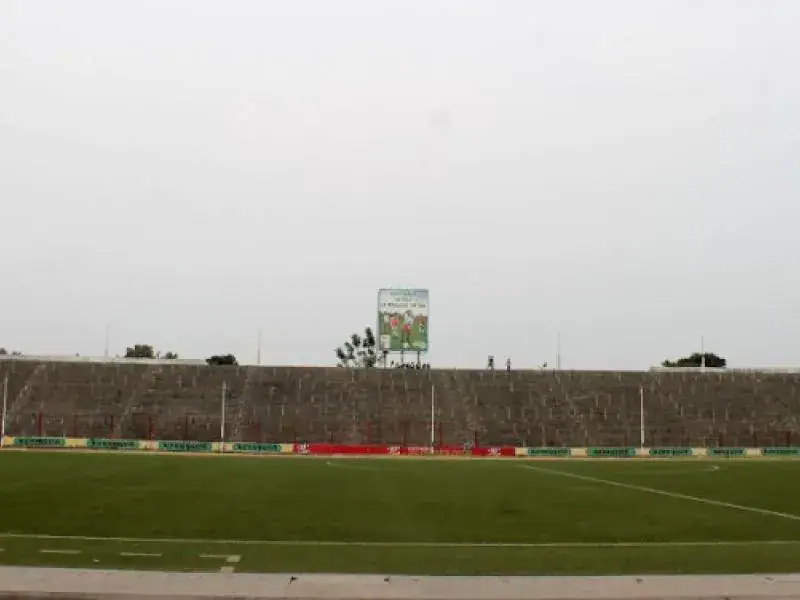
The Conférence épiscopale nationale du Congo (CENCO) has expressed its disappointment and concern over the refusal to grant access to Stade Tata Raphaël for a youth event. The stadium, which is owned by the Catholic Church, was to host the journée diocésaine des jeunes de l'archidiocèse de Kinshasa on November 22. However, the authorities denied permission at the last minute, forcing the event to be held at a different location.
According to CENCO, the Catholic Church had generously provided the stadium for the use of the youth in Kinshasa. The Church's contribution to the community was expected to be recognized and valued, not met with resistance. The CENCO members described the treatment as unacceptable and a restriction on the exercise of freedom of religion and worship, which is guaranteed by the Constitution.
The incident has reignited tensions between the Catholic Church and the government of Félix Tshisekedi. This is not the first time the Church has faced difficulties in using public spaces for its events. Recently, the Church's march in Lubumbashi was also banned. These incidents have raised concerns about the government's attitude towards the Church and its role in promoting the common good.
The CENCO statement noted that the Church had obtained all necessary permits for the event, but the authorities still refused to grant access to the stadium. The decision was communicated late at night, without any official explanation. This has led to concerns about the lack of transparency and communication between the government and the Church.
The Catholic Church has a long history of contributing to the development of the youth in Kinshasa. The Church has provided educational and recreational facilities, as well as spiritual guidance, to thousands of young people in the city. The refusal to grant access to Stade Tata Raphaël has been seen as an attack on the Church's efforts to promote the welfare of the youth.
The incident has also raised concerns about the impact on the relationship between the Church and the government. The Church has been a vocal advocate for human rights and social justice in the Democratic Republic of Congo. The government's actions have been seen as an attempt to restrict the Church's freedom of expression and its ability to promote the common good.
The CENCO members have called for greater recognition and respect for the Church's contributions to the community. They have also urged the government to respect the Church's freedom to exercise its mission and to promote the welfare of the youth. The incident has highlighted the need for greater dialogue and understanding between the Church and the government.
Key points
- The Catholic Church had generously provided Stade Tata Raphaël for the use of the youth in Kinshasa, expecting recognition and value for its contributions.
- The refusal to grant access to Stade Tata Raphaël has reignited tensions between the Catholic Church and the government of Félix Tshisekedi.
- The incident has raised concerns about the government's attitude towards the Church and its role in promoting the common good.