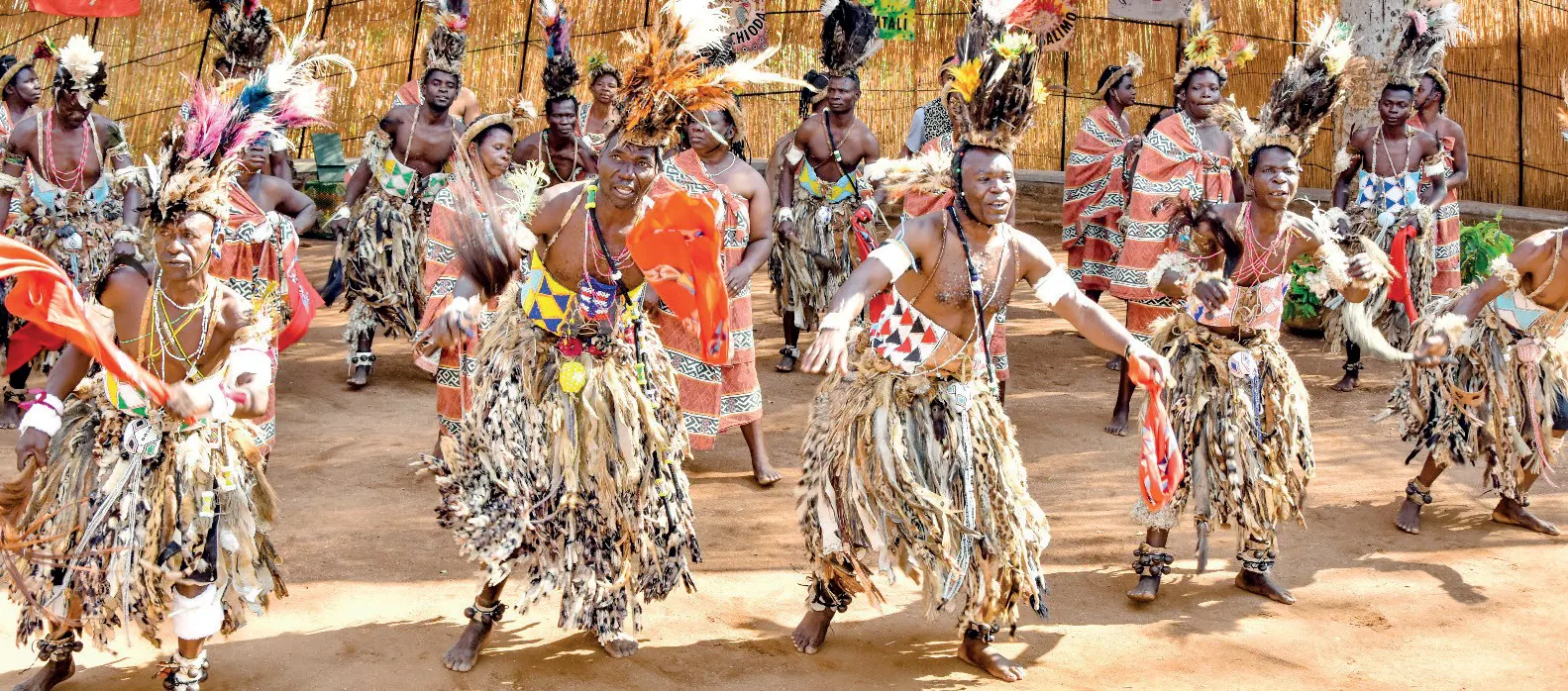
For two decades, Lilongwe resident John Moyo has traveled to the foot of Hora Mountain in Mzimba district to attend the Umtheto Cultural Festival, reconnecting with his Jere Ngoni roots. Moyo says Umtheto is a powerful symbol of unity, attracting people from diverse backgrounds while promoting cultural pride, social cohesion, and environmental stewardship. This annual event is one of many cultural festivals in Malawi, showcasing the country's rich cultural heritage.
Malawi boasts a diverse array of cultural festivals, including Umhlangano wa Maseko Ngoni, M'gumano wa Asena na Mang'anja, and Mulhako wa Alhomwe, among others. These festivals blend tradition and modernity, with annual themes that highlight the country's cultural diversity. The festivals feature music, dance, art, food, and rituals, offering rich experiences that unite people across diverse backgrounds.
However, critics argue that such ethnic events promote tribal tension, communication barriers, and slower decision-making processes. Despite this, Potiphar Kaliba, Director of Museum and Monuments in the Ministry of Youth, Sports and Culture, emphasizes that each ethnic community has unique cultural practices, beliefs, and values that should be promoted.
The Ministry of Youth, Sports and Culture encourages different ethnic groups to come together during cultural festivals to appreciate diversity rather than viewing them as divisive. Kaliba notes that cultural divisions occur when authorities fail to treat all cultural festivals equally. He stresses that no culture is superior to another and that cultural events should promote equality, human rights, and sustainable development.
The department's mandate is to preserve, conserve, promote, study, and present Malawi's natural and cultural heritage. Minister of Youth, Sports and Culture Alfred Gangata says the government is committed to preserving and promoting culture as a source of jobs, tourism, and economic opportunity for young people. Culture is a vital part of Malawi's identity, telling the story of who they are, where they come from, and what they must pass to future generations.
Malawi is a party to the 2003 United Nations Educational, Scientific and Cultural Organization (Unesco) Convention for the protection and promotion of intangible cultural heritage. The treaty safeguards practices, representations, expressions, knowledge, and skills that communities recognize as part of their way of life. The 2005 Unesco convention on the protection and promotion of the diversity of cultural expression encourages countries to allow citizens to participate in and consume a diversity of cultural products, services, and activities.
Cultural festivals also have economic benefits, as visitors spend money on artworks, food, and beverages, boosting small-scale businesses. Kaliba urges heritage groups to establish permanent places to hold cultural attractions beyond annual festivals' dates, allowing visitors to experience Malawi's rich cultural heritage throughout the year.
Key points
- The government encourages different ethnic groups to come together during cultural festivals to appreciate diversity.
- Malawi has ratified two Unesco conventions to protect and promote intangible cultural heritage and the diversity of cultural expression.
- Cultural festivals in Malawi promote unity, social cohesion, and economic development.