As South Africa celebrates Heritage Month in September, the nation's rich culinary heritage takes center stage. Food plays a vital role in bringing people together and reflecting local ingredients, seasonality, and resourcefulness. Traditional dishes like pap and morogo, Durban curry, potjiekos, bobotie, vetkoek, and koeksisters evoke a sense of nostalgia and community. These dishes are not just recipes, but carry stories, values, and knowledge passed down through generations.
Yonela Motloung, Marketing Director for Unilever Food Solutions South Africa, highlights the significance of food in celebrating heritage. According to Motloung, food connects people to family, community, and place, while also evolving with each generation. South African cuisine has been shaped by the intersection of ingredients, cultures, and cooking traditions, making it a living food culture. This evolution is reflected in Unilever Food Solutions' annual Future Menus report 2026.
The 2026 Future Menus report explores the Culinary Roots trend, which examines how ancestral recipes, indigenous ingredients, and time-honored techniques remain relevant to modern diners. Heritage provides a foundation for fresh creativity, rather than just nostalgia. South African chefs have a wealth of ingredients and traditions to draw upon, allowing them to reimagine heritage dishes in innovative ways. This approach enables chefs to understand the roots of a dish and use their creativity to showcase its possibilities.
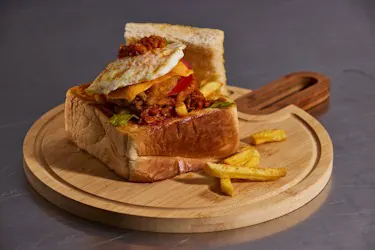
Examples of reimagined heritage dishes include UFS Chef Latoya Marivate's crispy chicken kota, which layers breaded chicken, spiced chips, cheese, egg, and atchar mayonnaise into the familiar hollowed loaf. Another example is UFS Chef Kimrishka Govender's sorghum malt and honey-glazed short rib, which incorporates the earthy maltiness of sorghum into a glossy glaze for slow-braised beef. These dishes demonstrate how heritage ingredients and techniques can be reinterpreted for modern audiences.
The use of indigenous ingredients like rooibos, honeybush, and buchu adds depth and creativity to traditional dishes. Rooibos, for instance, is used to infuse milk tart with a natural sweetness, reducing the need for added sugar. Buchu, with its bold blackcurrant and mint character, adds herbal freshness and a hint of citrus to a honey cheesecake. These innovative approaches showcase the versatility of South African ingredients and culinary traditions.
Familiar comfort foods are also being reimagined, such as slow-braised oxtail with butter bean mash and atchar oil. Umfino, a traditional maize meal and greens dish, is transformed into a crust for short rib. These reinterpretations demonstrate the dynamic nature of South African cuisine, which continues to evolve while honoring its heritage. By giving new generations of chefs the opportunity to build upon traditional dishes, South African food heritage remains alive and relevant.
As Heritage Month comes to a close, the importance of celebrating and preserving South Africa's culinary heritage is clear. By embracing the evolution of traditional dishes and ingredients, the nation can continue to share its rich food culture with the world. The Unilever Food Solutions Future Menus 2026 report is available for download, offering insights into the trends shaping the future of food.
Key points
- South African cuisine continues to evolve, incorporating new ingredients and techniques while honoring its heritage.
- The use of indigenous ingredients like rooibos, honeybush, and buchu adds depth and creativity to traditional dishes.
- Heritage provides a foundation for fresh creativity, rather than just nostalgia, in modern South African cuisine.