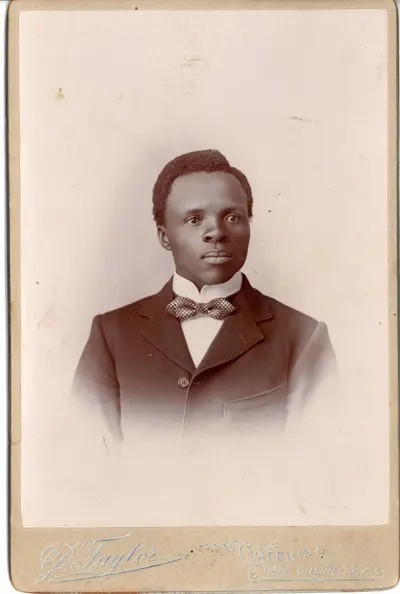
As South Africa commemorates the 150th anniversary of Solomon Tshekisho Plaatje's birth on October 9, 1876, the nation reflects on the life and legacy of this extraordinary African. Plaatje's name is synonymous with advocacy and education, and his contributions to the fight against dispossession and the promotion of African dignity continue to inspire generations. Born in 1876, Plaatje's life was marked by a passion for learning and a commitment to using his gifts to serve others.
Plaatje's early life and education laid the foundation for his future achievements. Despite his formal schooling ending at primary level, he developed into a journalist, author, linguist, translator, and political organizer. His work with the South African Native National Congress, which he helped found in 1912, was instrumental in challenging dispossession and advocating for African rights. Through his writing, including his novel "Mhudi" and his book "Native Life in South Africa," Plaatje centered African experiences and affirmed the intellectual possibilities of African languages.
One of Plaatje's most significant contributions was his ability to amplify African struggles beyond the country's borders. His travels to Britain, Canada, and the United States helped raise awareness about the injustices faced by Africans and the need for international support. These journeys, undertaken under difficult circumstances, demonstrate Plaatje's determination and resilience in the face of adversity. His legacy serves as a powerful reminder of the impact one person can have on the world.
The University of Sol Plaatje, named in his honor, is committed to upholding his values and promoting education as a tool for human advancement. The institution's four faculties – Education, Economic and Management Sciences, Humanities, and Natural and Applied Sciences – are designed to equip students with the knowledge and skills necessary to shape their future and contribute to the betterment of society. By providing opportunities for students to engage with Plaatje's legacy, the university aims to inspire a new generation of leaders and change-makers.
Plaatje's legacy extends far beyond the university that bears his name. His values of curiosity, respect for language, and commitment to dignity must be evident in everyday experiences. As Chancellor of the university, Thebe Ikalafeng has emphasized the importance of incorporating Plaatje's works into school and university curricula. By doing so, young people can engage critically with issues such as dispossession, identity, language, and justice, and develop a deeper understanding of their inheritance and their capacity to shape the future.
As the world grapples with widespread conflict, poverty, and inequality, Plaatje's example offers a moral compass for navigating these complex challenges. His defense of dignity and his commitment to service are a powerful reminder of the importance of putting the needs of others before one's own interests. By living the values he embodied and building the society he envisioned, South Africans and people around the world can work towards a brighter future.
In celebrating Plaatje's legacy, South Africa and the world are reminded of the power of one person to effect change. Plaatje's life and work demonstrate that even in the face of adversity, individuals can make a meaningful difference in the lives of others. As the nation marks 150 years since his birth, it is clear that Plaatje's legacy will continue to inspire generations to come.
Key points
- Sol Plaatje's legacy serves as a powerful reminder of the importance of education, advocacy, and service to others.
- The University of Sol Plaatje is committed to upholding Plaatje's values and promoting education as a tool for human advancement.
- Plaatje's example offers a moral compass for navigating complex global challenges, including conflict, poverty, and inequality.