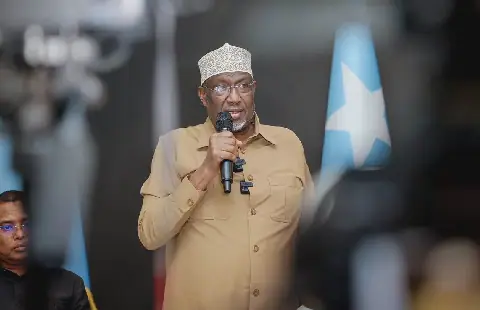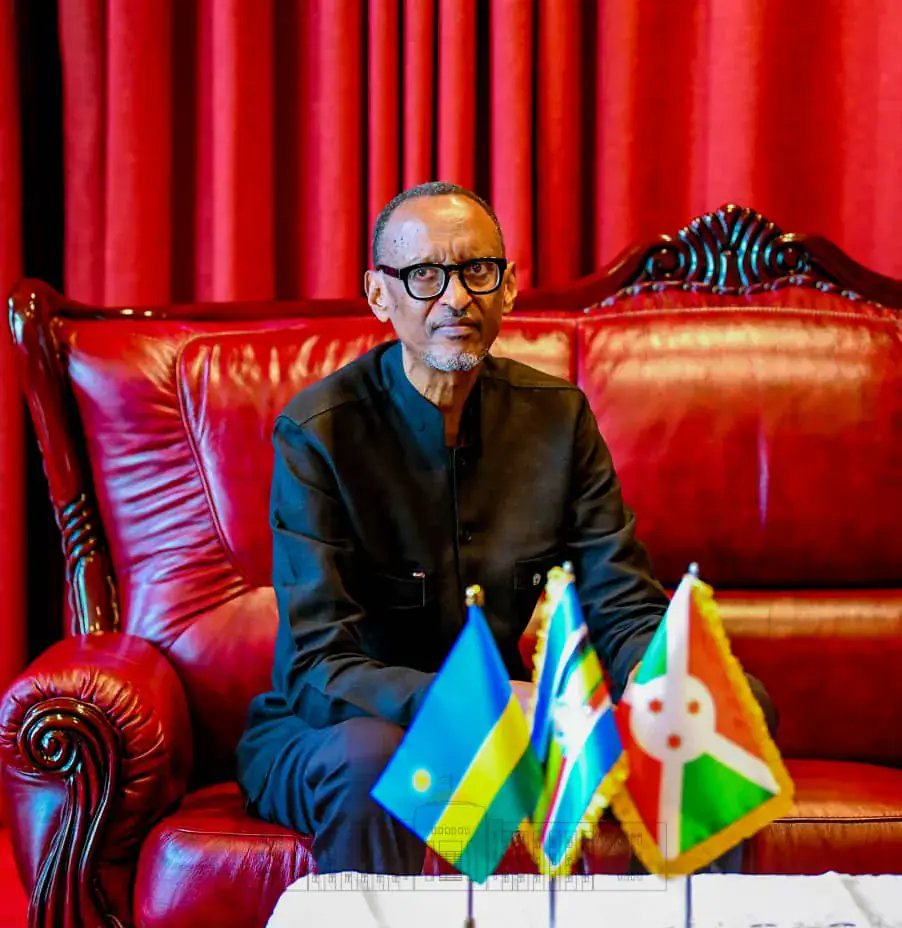
The Communauté économique des États de l’Afrique centrale (CEEAC) leaders gathered for their 27th ordinary session in Sipopo, Equatorial Guinea, on November 27, 2026. They formally acknowledged Rwanda's withdrawal from the organization, as announced on June 7, 2025. The Rwandan government had cited disagreements over the organization's leadership and alleged interference by the Democratic Republic of Congo. The CEEAC leaders requested the Commission to take necessary administrative, legal, and financial steps to effect Rwanda's withdrawal.
Rwanda's decision to leave the CEEAC followed a dispute over the organization's leadership. Kigali was unhappy with the decision to delay passing the rotating presidency to Rwanda and instead keep Equatorial Guinea at the helm for an additional year. The Rwandan government also accused the DRC of supporting the Forces démocratiques de libération du Rwanda (FDLR) and criticized statements by President Félix Tshisekedi that it deemed hostile. These tensions have contributed to strained relations between the two countries.
The CEEAC leaders also expressed concern over the security, humanitarian, and health situation in eastern DRC. President Félix Tshisekedi reportedly briefed his counterparts on the gravity of the situation in the region. The leaders urged Kinshasa and Kigali to continue de-escalation efforts and implement UN Security Council Resolution 2773. This resolution demands an immediate halt to hostilities by the M23 rebel group, its withdrawal from occupied areas, and the unconditional withdrawal of Rwandan forces from Congolese territory.
The M23 rebel group, now known as the Front pour la refondation de la nation, has been a source of conflict in eastern DRC. The CEEAC leaders called on the DRC and Rwanda to resume dialogue and fulfill their commitments to neutralize the FDLR and disengage their forces. The situation in eastern DRC remains a pressing concern for regional leaders.
The DRC-Rwanda tensions have been fueled by allegations of support for rebel groups. The Rwandan government has long accused the DRC of backing the FDLR, while Kinshasa has denied these claims. The CEEAC leaders' call for de-escalation and dialogue aims to address these issues and promote stability in the region.
The CEEAC leaders' meeting in Sipopo also highlighted the need for cooperation and peaceful resolution of conflicts. The organization's role in promoting economic integration and stability in central Africa is crucial. The withdrawal of Rwanda from the CEEAC may have implications for regional cooperation and economic relations.
The situation in eastern DRC and the relations between Kinshasa and Kigali will continue to be closely watched by regional and international actors. The implementation of UN Security Council Resolution 2773 and the neutralization of rebel groups remain key priorities for the CEEAC leaders and the international community.
Key points
- CEEAC leaders acknowledge Rwanda's withdrawal from the organization
- The situation in eastern DRC and DRC-Rwanda tensions remain pressing concerns
- The CEEAC leaders call for de-escalation and dialogue to address regional issues