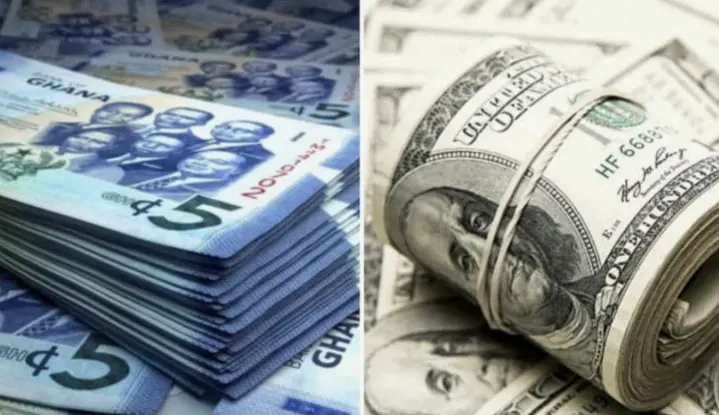
The Bank of Ghana reports that the cedi has lost 9.5% of its value against the US dollar in the interbank market so far this year. This marks a significant reversal from the 18.45% appreciation recorded during the same nine-month stretch in 2025. The cedi was trading at GH₵11.55 to the dollar in September 2026, compared with GH₵12.42 in September 2025.
The depreciation of the cedi did not happen overnight, but rather crept up month by month. In January, the cedi depreciated by 4.6%, easing slightly to 2.2% in February, before climbing again to 5.0% in March and 6.6% in April. By May, the figure had reached 8.4%, and it hovered around 7.9% in June before spiking to 10.6% in July 2026.
The cedi's troubles were not limited to the dollar, as it also depreciated by 9.0% against the British pound and 7.3% against the euro in September 2026, according to the Bank of Ghana's figures. In the retail market, where most Ghanaians exchange cash, the currency has shed about 8% of its value since the start of the year and was selling at GH₵12.20 to the dollar at forex bureaus.
A weaker cedi raises the cost of anything priced in foreign currency, including imported goods, fuel, medicines, and school fees for Ghanaian students studying abroad. Importers who buy raw materials or finished products in dollars will likely pass higher costs on to consumers, while households sending remittances or paying tuition overseas will need more cedis to cover the same dollar amount than they did a year ago.
The shift comes even as Ghana continues working through its public debt restructuring, with the country's total debt stock having climbed to GH¢733.9 billion as of July. Despite the year's losses, Databank Research had earlier forecast that the cedi would end 2026 at GH¢12.20 to the dollar, after revising its earlier projection downward by 65 basis points.
The research firm attributed its outlook to stronger foreign exchange inflows and an improving external position, pointing specifically to the 30% Gold Off-Take Mandate under GoldBod, which it said should be boosted by an increase in the scheme's budget allocation from GH¢4.5 billion to GH¢5.0 billion. Neither the Bank of Ghana nor MyJoyOnline's report indicates whether the central bank has announced fresh interventions in response to the depreciation.
The interbank market referred to in the Bank of Ghana's data is where commercial banks trade currencies among themselves, and its rates typically differ slightly from those offered at forex bureaus, where ordinary Ghanaians buy and sell cash. GoldBod, mentioned in Databank's forecast, is the state entity responsible for regulating and mobilising Ghana's gold exports, part of government efforts to boost foreign exchange reserves through mineral trade.
Key points
- The cedi has depreciated by 9.5% against the dollar in the first nine months of 2026.
- The depreciation of the cedi has been steady, with a 4.6% decline in January and a 10.6% decline in July.
- A weaker cedi will raise the cost of imported goods, fuel, medicines, and school fees for Ghanaian students studying abroad.