The Economic Community of West African States (Cedeao) recently evaluated a regional electrification project that has been in operation for six years in Gambia, Guinea-Bissau, and Mali. The project, funded by the World Bank to the tune of $225 million, aimed to extend access to electricity in underserved communities and strengthen regional electricity distribution networks. The project, coordinated by the Cedeao Commission, has connected 490 localities and provided electricity to nearly 500,000 people.
The electrification project, also known as the ECOWAS-REAP, was launched in 2019 with the goal of increasing access to electricity in the three countries, thereby contributing to broader regional integration and development objectives. The project has made significant progress, with 43,090 households connected in 400 localities in Gambia, providing electricity to approximately 344,720 people. In Guinea-Bissau, over 20,788 households were connected in 90 localities, benefiting around 145,000 people.
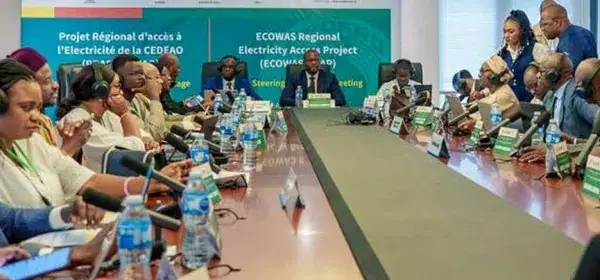
The Cedeao Commission organized a meeting in Abuja on November 2 to review the project's implementation and discuss measures to sustain the results after its closure. The meeting brought together representatives from the ministries responsible for energy in Gambia, Guinea-Bissau, and Mali, as well as the Regional Coordination Unit and national project implementation units. Arkadius Koumoin, Director of Energy and Mines at Cedeao, emphasized that the project's success should not only be measured by the infrastructure built but also by the number of households connected and the lasting improvements made to their living conditions.
Despite the project's achievements, its implementation faced several challenges, including disruptions caused by the COVID-19 pandemic, institutional changes, inadequate performance by contractors, and contractual delays. Security constraints also hindered progress in Mali. The project's completion is scheduled for December 31, 2026, after which the Cedeao Commission plans to transfer the completed infrastructure to national electricity companies.
The project's impact is significant, as it has extended access to electricity to nearly 500,000 people in the three countries. However, the Cedeao Commission did not provide a detailed breakdown of the connections by country or the exact number of households, businesses, and public institutions that have benefited. The project's achievements demonstrate the importance of investing in electricity infrastructure and regional cooperation to address the challenges of access to reliable electricity in West Africa.
The Malian government has requested a 30-month extension, citing security concerns and contractual constraints that have delayed implementation. The project's closure coincides with ongoing efforts by West African countries to expand access to reliable electricity. Investment in infrastructure and cross-border energy cooperation remain essential priorities for regional development.
As the project comes to a close, the Cedeao Commission is working to ensure an orderly closure and the sustainable transfer of completed infrastructure to national electricity companies. The project's achievements and challenges provide valuable lessons for future electrification initiatives in the region, highlighting the need for effective coordination, adequate funding, and robust implementation strategies.
Key points
- The Cedeao electrification project has provided electricity to nearly 500,000 people in Gambia, Guinea-Bissau, and Mali.
- The project has connected 490 localities, with 43,090 households connected in Gambia and over 20,788 households connected in Guinea-Bissau.
- The project's closure is scheduled for December 31, 2026, after which the infrastructure will be transferred to national electricity companies.