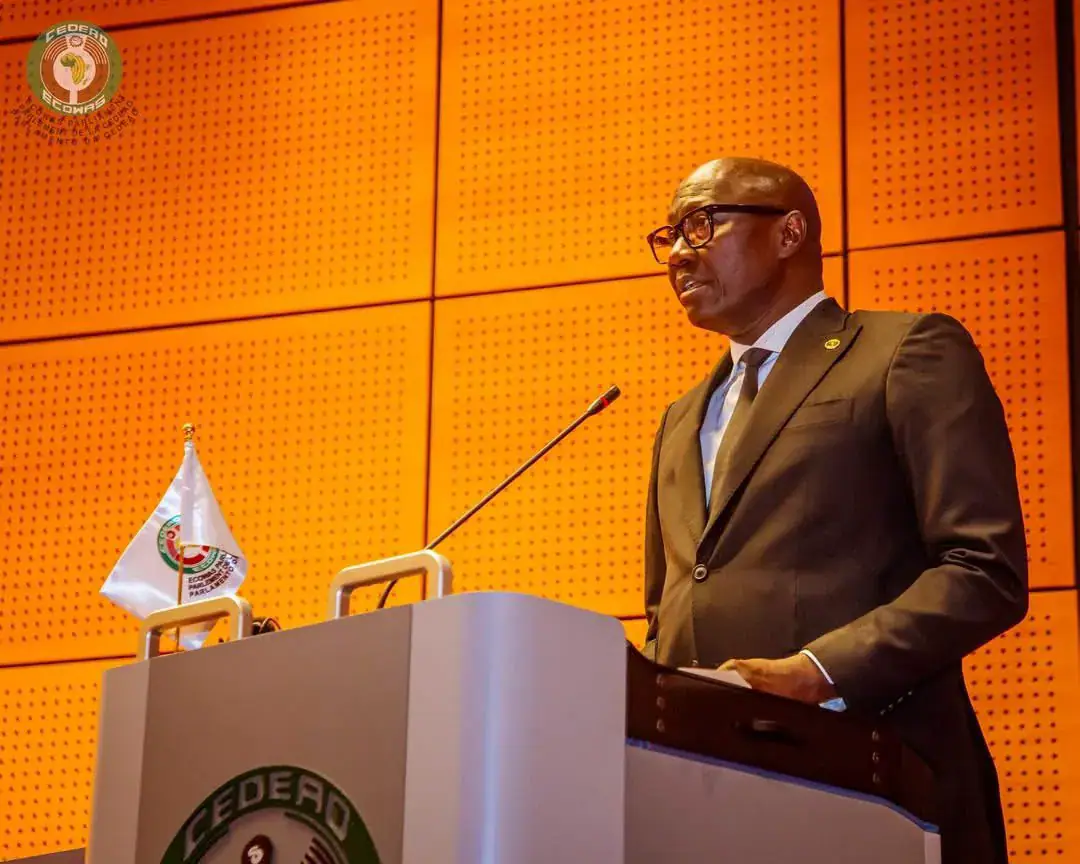
The Economic Community of West African States (ECOWAS) has expressed deep concern over the decision by Guinea-Bissau's transitional authorities to extend the transition period until November 26, 2028. In a statement released on November 27, 2026, in Abuja, the regional organization reiterated its commitment to a short, time-bound, and inclusive transition that would lead to the restoration of constitutional order through credible, open, and transparent elections.
ECOWAS took note of the reasons cited by the Bissau-Guinean authorities for the extension, including insufficient technical, material, and financial resources, as well as the level of preparedness of the electoral process. However, the regional organization called for a revision of the announced calendar, offering to work with the transitional authorities and all concerned parties to address identified constraints and shorten the transition timeline.
The ECOWAS statement emphasized the need for the Bissau-Guinean authorities to reconsider the extension and engage constructively with Senegal, designated as the mediator by ECOWAS. The goal is to reach a mutually agreed, inclusive, and realistic roadmap for the rapid restoration of constitutional order. The regional organization also urged the authorities to guarantee fundamental freedoms, ensure the effective exercise of political and civil rights, and promote the participation of all national stakeholders.
ECOWAS reaffirmed its commitment to supporting Guinea-Bissau in restoring constitutional order, in coordination with the African Union and the United Nations. The organization has been actively engaged in promoting stability and democracy in the region. The decision to extend the transition period has raised concerns about the country's progress toward democratic governance.
The ECOWAS statement highlighted the importance of a swift return to constitutional order, citing the need for credible, open, and transparent elections. The organization has been working to promote democratic principles and stability in West Africa. Guinea-Bissau has faced challenges in consolidating its democracy since gaining independence from Portugal in 1974.
The country's transitional authorities have cited several challenges, including limited resources and inadequate electoral preparations, as reasons for the extended transition period. However, ECOWAS and other international partners have emphasized the need for a timely return to democratic governance. The regional organization has been working closely with Guinea-Bissau to address these challenges and promote a peaceful transition.
The situation in Guinea-Bissau remains closely monitored by ECOWAS and other international stakeholders. The country's progress toward democratic governance and stability will likely have implications for the broader region. ECOWAS continues to engage with the Bissau-Guinean authorities and other stakeholders to promote a peaceful and inclusive transition.
Key points
- ECOWAS rejects Guinea-Bissau's decision to extend transition period to 2028
- Regional organization calls for revision of transition calendar and rapid restoration of constitutional order
- ECOWAS offers to support Guinea-Bissau in addressing constraints and promoting democratic governance