The Economic Community of West African States (ECOWAS) has expressed deep concern over the postponement of presidential and legislative elections in Guinea-Bissau. The elections, initially scheduled for December, were postponed to November 2028 by the country's military junta. The junta, which has been in power since November 26, 2025, cited insufficient technical, material, and financial conditions as the reason for the postponement.
The ECOWAS has reiterated its commitment to a short, limited, and inclusive transition period that would lead to the restoration of constitutional order through credible, open, and transparent elections. The organization has also expressed willingness to work with the transitional authorities and other stakeholders to address the identified constraints and shorten the transition period.
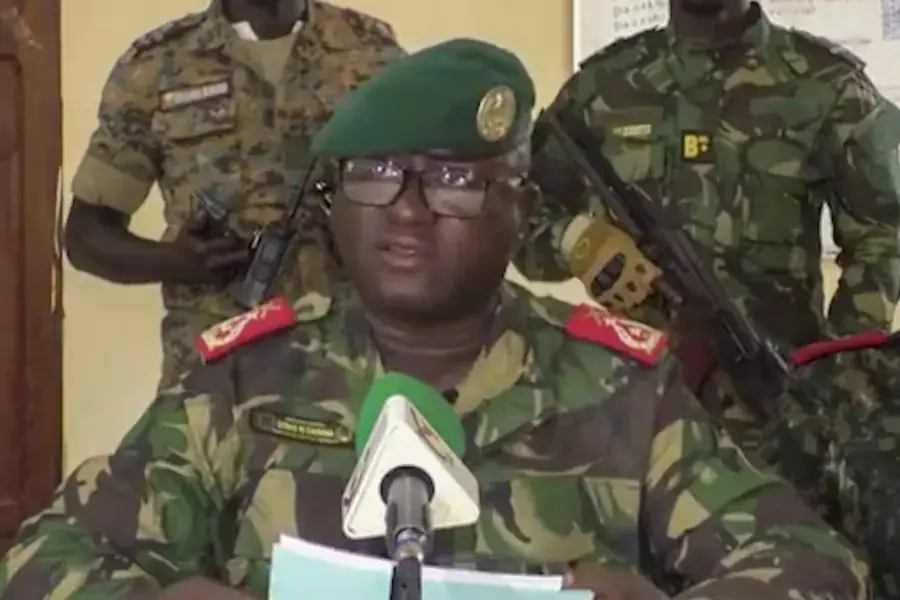
The military junta in Guinea-Bissau, led by General Horta N'Tam, has announced a two-year extension of the transition period, which has raised concerns among the international community. The country's president, Umaro Sissoco Embalo, was overthrown by the military on November 26, 2025, and the electoral process was suspended.
The postponement of the elections has been met with mixed reactions from various stakeholders. The Assembly of the People United - Democratic Party of Guinea-Bissau (APU-PDGB), led by former Prime Minister Nuno Gomes Nabiam, has welcomed the junta's decision to extend the transition period. However, other political parties have not yet reacted to the postponement.
Guinea-Bissau has experienced several coups and attempted coups since gaining independence from Portugal in 1974. The country has struggled with political instability, and the postponement of the elections has raised concerns about the country's ability to transition to democratic governance.
The ECOWAS has been actively engaged in efforts to promote stability and democracy in Guinea-Bissau. The organization has been working with the transitional authorities to address the challenges facing the country and to promote a peaceful and credible electoral process.
The postponement of the elections in Guinea-Bissau has significant implications for the country's future. The country's ability to transition to democratic governance and ensure stability will depend on the success of the electoral process. The ECOWAS and other international stakeholders will be closely monitoring the situation to ensure that the country's transition to democracy is peaceful and credible.
Key points
- The ECOWAS has expressed deep concern over the postponement of presidential and legislative elections in Guinea-Bissau.
- The country's military junta has cited insufficient technical, material, and financial conditions as the reason for the postponement.
- The ECOWAS has reiterated its commitment to a short, limited, and inclusive transition period that would lead to the restoration of constitutional order through credible, open, and transparent elections.