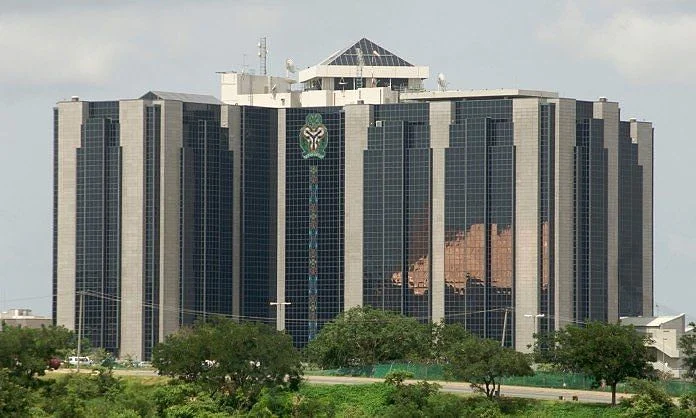
The Central Bank of Nigeria's recent adjustment in its monetary policy rate has been described as a "reset" aimed at aligning monetary policy with prevailing market realities. According to George Onafowokan, Managing Director and CEO of Coleman Technical Industries Limited, the market had already moved away from the previous 26.5 percent rate, with commercial lenders offering loans at about 22 to 23 percent. This shift is expected to ease borrowing costs.
Onafowokan attributed the gap between the CBN's policy rate and actual lending rates to the recapitalisation of Nigerian banks. Banks that previously had capital bases of about N50 billion were required to increase them to N200 billion, while institutions with N200 billion were required to scale up to N500 billion. This increased equity and lending capacity of financial institutions led to more liquidity in the financial system.
The increased liquidity prompted banks to compete for lending opportunities, pushing market lending rates below the CBN's previous policy rate. Onafowokan explained that "the market found its own level based on the amount of liquidity and the new money in equity in the market. And so it repositioned itself and started lending lower than the CBN was." This development is expected to have a positive impact on the economy.
Onafowokan said the impact of the rate adjustment would not be immediate but expressed confidence that it would begin to reflect across the economy within the next two to three months. He also noted that lower interest rates could affect treasury bill yields and influence the decisions of foreign portfolio investors. Nigeria remains attractive to international investors due to the returns available in the country.
Onafowokan called for a reduction in the lending rate of the Bank of Industry, saying the institution's current rate was becoming too close to commercial banking rates. He urged the CBN, Ministry of Finance, and the Federal Government to support the BOI in returning to a lower lending rate, which would better reflect its development-finance mandate.
The Nigerian economy is showing positive signs, with economic growth of more than four percent, declining inflation, and relative stability in the naira. Onafowokan maintained that the naira had remained resilient and advised Nigerians to have confidence in the currency, saying those who retained their naira holdings had benefited from its recent performance.
Onafowokan expressed optimism about the economy, saying "the economy is in the right direction." The CBN's rate cut is expected to have a positive impact on the economy, and stakeholders are hopeful that it will lead to increased lending and economic growth. The development is a welcome respite for businesses and individuals seeking loans.
Key points
- The CBN's rate cut aims to align monetary policy with prevailing market realities.
- The rate adjustment may ease borrowing costs and have a positive impact on the economy.
- The Nigerian economy is showing positive signs, with economic growth, declining inflation, and naira stability.