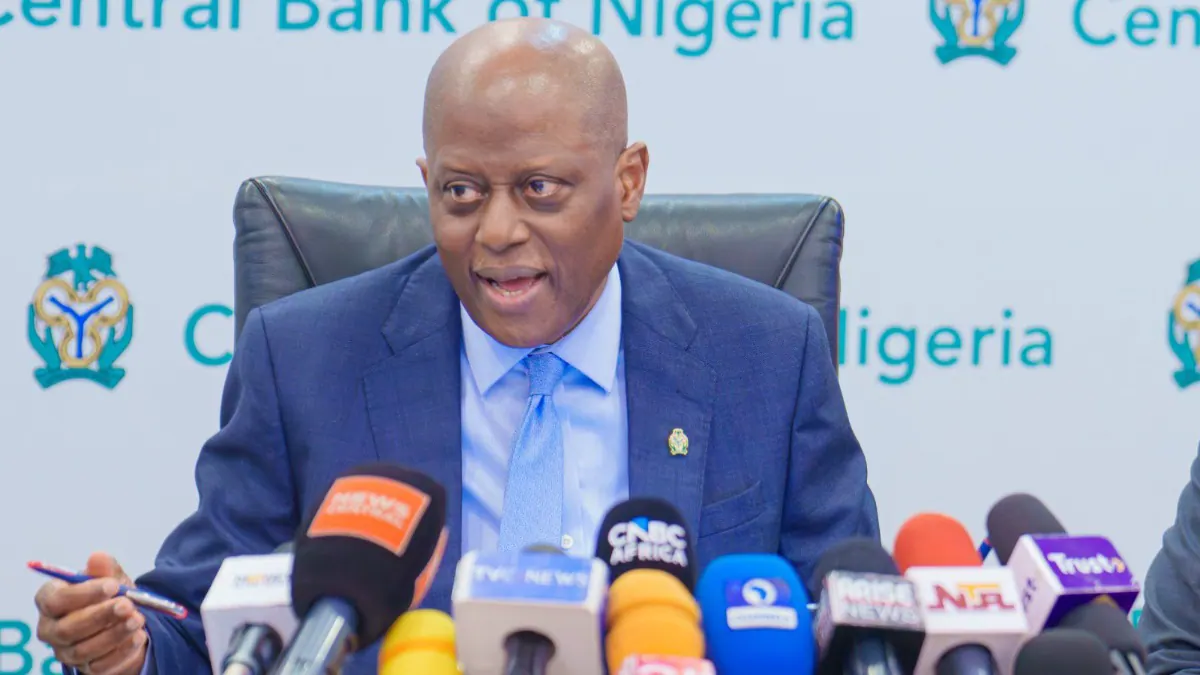
The Central Bank of Nigeria (CBN) has announced plans to closely monitor liquidity and cash circulation ahead of the country's 2027 general elections. Governor Olayemi Cardoso stated that the bank had developed scenarios to manage the expected increase in money circulation during the election period. The CBN will base its response on economic data rather than assumptions. This move aims to maintain monetary stability and prevent potential disruptions.
The CBN will carefully monitor several indicators, including currency circulation, banking system liquidity, monetary aggregates, and foreign exchange demand. Cardoso emphasized that the bank would deploy monetary policy tools if increased spending resulted in excessive liquidity in the financial system. The bank has analyzed different scenarios and models to understand how financial conditions could change during an election period. This proactive approach seeks to prevent the bank from being caught off guard.
To manage potential liquidity pressures, the CBN will enforce existing limits on cash transactions during the election cycle. Governor Cardoso warned that the bank would not allow itself to be "caught unawares" and would proactively deploy tools to mop up excess liquidity if necessary. The bank will also encourage greater use of electronic payments, which provide greater transparency and a transaction trail. This move aims to reduce currency abuse and promote a more stable financial system.
The CBN has reassured Nigerians that sufficient currency will be available during the election period. However, Cardoso emphasized that existing restrictions governing cash transactions would remain in force. The bank will intensify its vigilance on currency abuse and work collaboratively with law enforcement agencies to prevent such activities. This approach seeks to maintain trust in the financial system and prevent potential instability.
The CBN's efforts to manage liquidity ahead of the 2027 elections are part of its broader policy agenda to maintain monetary and foreign exchange stability. Governor Cardoso expressed confidence that the bank could manage the anticipated increase in money circulation without undermining progress made on monetary stability. The bank's coordination with the Ministry of Finance will also be crucial in managing financial conditions during the election period.
Nigeria's election cycles typically attract attention to changes in cash circulation and liquidity. The CBN's proactive approach seeks to prevent potential disruptions to the financial system. By monitoring key indicators and deploying monetary policy tools as needed, the bank aims to maintain stability and ensure a smooth election process. The 2027 general elections will see voters elect a president, members of the National Assembly, and other representatives.
The CBN's memorandum of understanding with the Ministry of Finance highlights the importance of coordination between monetary and fiscal authorities in managing financial conditions during the election period. With a focus on data-driven decision-making, the bank is well-positioned to manage potential liquidity pressures and maintain monetary stability. The CBN's efforts aim to promote a stable financial system and support Nigeria's economic growth.
Key points
- The CBN will monitor liquidity and cash circulation ahead of Nigeria's 2027 elections.
- The bank will deploy monetary policy tools to mop up excess liquidity if necessary.
- Existing cash transaction limits and rules against currency abuse will remain in force during the election period.