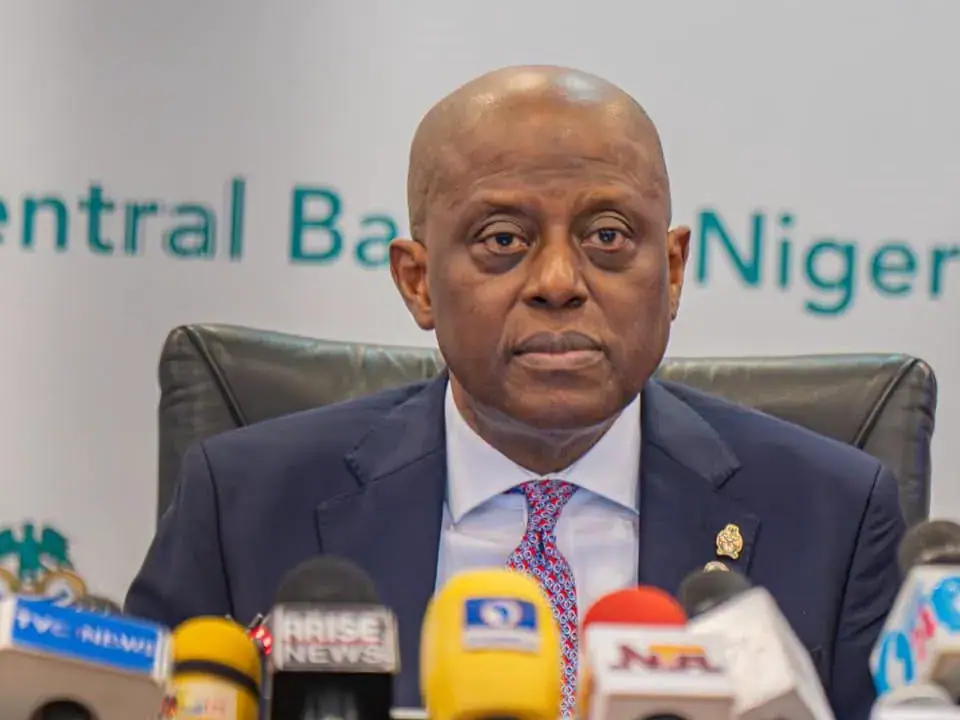
The Central Bank of Nigeria has scheduled its 308th Monetary Policy Committee meeting for November 23 and 24. The committee will assess developments in the monetary policy environment since the interest rate reduction in September. The meeting will take place at the CBN headquarters in Abuja, with the first day's session starting at 10am on November 23 and proceedings continuing on November 24 at 8am.
The September meeting saw a significant adjustment in monetary policy, with the Monetary Policy Rate reduced by 350 basis points from 26.5% to 23%. This decision followed signs of easing inflation, improved foreign exchange conditions, and stronger economic growth. Headline inflation moderated to 15.39% in August from 15.43% in July, while the economy expanded by 4.43% in the second quarter.
The committee also made changes to the Standing Facilities Corridor and retained the Cash Reserve Requirement for deposit money banks, merchant banks, and non-Treasury Single Account public sector deposits. The corridor was recalibrated to +50 and -300 basis points around the Monetary Policy Rate. The CBN will closely monitor the effectiveness of the revised interest rate corridor.
A key consideration at the November meeting will be whether the September rate reduction has improved monetary policy transmission and created room for further easing. The committee may approach the decision cautiously, with a possible retention of the 23% rate emerging as a likely option. The September adjustment was relatively substantial, and the committee needs to assess its impact on lending rates and inflation expectations.
The Central Bank will evaluate the impact of the rate cut on lending rates, money market conditions, liquidity, and inflation expectations. The committee will assess whether interbank rates remained aligned with the Monetary Policy Rate and whether changes in the benchmark rate translated into lower borrowing costs for businesses and households.
The November meeting comes as inflation continues to moderate, and economic growth shows signs of improvement. The committee will consider these factors when making its decision. A cautious approach is likely, given the substantial rate cut in September.
The outcome of the meeting will provide insight into the Central Bank's monetary policy stance and its efforts to balance economic growth and inflation control. The committee's decision will have implications for businesses, households, and the overall economy. Key considerations will include the impact of the rate cut on inflation and economic growth.
Key points
- The Central Bank of Nigeria's Monetary Policy Committee will assess the impact of the September interest rate cut at its November meeting.
- The committee may retain the 23% Monetary Policy Rate or consider further easing, depending on its evaluation of the rate cut's effectiveness.
- The meeting will focus on monetary policy transmission, lending rates, money market conditions, liquidity, and inflation expectations.