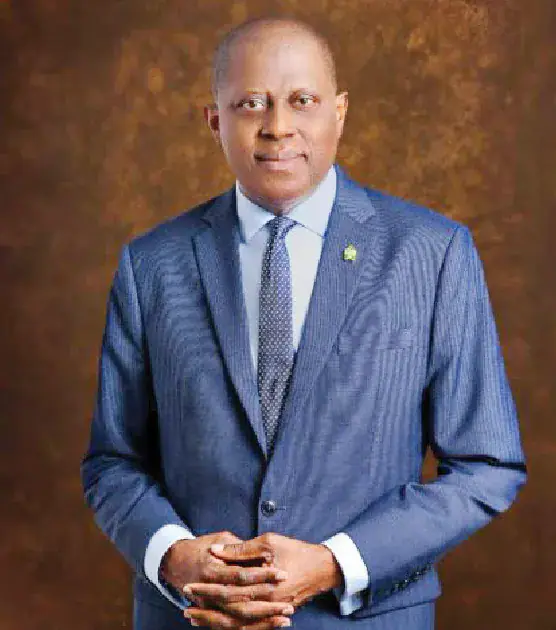
Central Bank of Nigeria Governor Olayemi Cardoso has urged commercial banks and development finance institutions to collaborate to address financing constraints faced by Nigerian exporters. Speaking at a stakeholder forum in Abuja, Cardoso emphasized that inadequate working capital remains a significant barrier to export growth. He noted that businesses with confirmed orders often struggle to purchase raw materials, obtain certification, expand production, and finance shipments due to limited funding.
Cardoso, represented by Deputy Governor Isa Yuguda, stressed that Nigeria's dependence on a narrow range of export commodities exposes the economy to external shocks. He advocated for diversification, which must translate into increased production, employment, and sustainable foreign exchange earnings. The CBN governor encouraged the Nigerian Export-Import Bank to deploy its financing instruments to make viable export transactions bankable and attract more private capital.
The forum, themed 'Leveraging the AfCFTA for Enhanced Nigerian Export Competitiveness and Economic Diversification,' aimed to address challenges faced by Nigerian exporters. Cardoso urged financial institutions to focus on monetary and financial stability, while commercial banks provide scalable private financing and development finance institutions deploy specialized risk-sharing instruments. He also emphasized the need for greater investment in manufacturing, agricultural processing, and other sectors to strengthen Nigeria's participation in the African Continental Free Trade Area.
Minister of Finance and Coordinating Minister of the Economy Taiwo Oyedele cautioned financial institutions against providing loans that do not align with exporters' transaction cycles and foreign exchange earnings. Oyedele urged financial institutions to strengthen cooperation through structured financing, guarantees, and insurance while maintaining sound lending standards and preparing businesses to meet export requirements.
Minister of State for Industry John Enoh identified the shortage of patient capital as a major constraint to industrial development, urging lenders to finance productive infrastructure rather than concentrate on individual export transactions. Enoh advocated for financing regional trade and product certification, noting that limited access to credit and electricity shortages had left a significant proportion of Nigeria's industrial capacity idle.
Managing Director of NEXIM Bank Abubakar Bello disclosed that the bank had financed over 1,300 exporters since its establishment in 1991, supporting the creation and sustenance of about 110,000 industrial jobs. Bello also revealed that NEXIM Bank, in collaboration with the Small and Medium Enterprises Development Agency of Nigeria, had mobilized N42bn to support small businesses operating within the export value chain.
The African Development Bank estimates Africa's unmet trade financing demand at between $74bn and $92bn in 2024. Commercial banks financed an average of 23% of African trade between 2020 and 2024, down from 40% between 2011 and 2019. The National Coordinator of the Nigeria AfCFTA Coordination Office, Patience Okala, disclosed plans to organize a financial boot camp for women and young entrepreneurs in the first quarter of 2027 to connect businesses with funding opportunities.
Key points
- CBN Governor Olayemi Cardoso urges commercial banks and development finance institutions to collaborate to address financing constraints faced by Nigerian exporters.