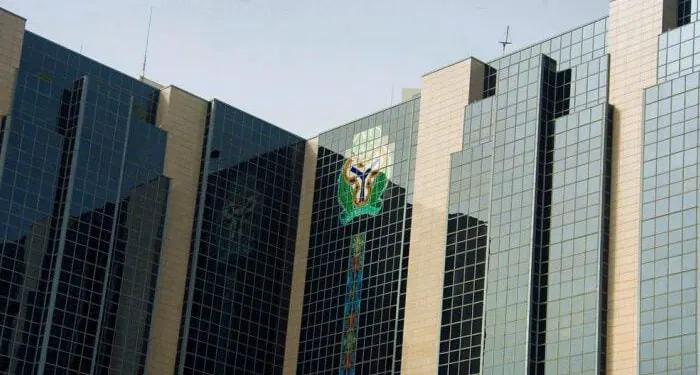
The Central Bank of Nigeria (CBN) has reduced the Monetary Policy Rate (MPR) from 26.5% to 23%, marking a significant shift in the country's monetary policy direction. This decision was announced by CBN Governor, Olayemi Cardoso, during a briefing after the 307th meeting of the Monetary Policy Committee (MPC). The rate cut aims to stimulate economic growth by making borrowing cheaper.
The latest reduction comes after the MPC maintained the benchmark interest rate at its two previous meetings. In February 2026, the committee announced a 50-basis-point cut, indicating a gradual adjustment of the CBN's monetary policy stance. The MPR is a key benchmark used by the CBN to influence borrowing and lending conditions across the economy. A reduction in the MPR can affect the cost of funds for banks and other financial institutions.
According to Cardoso, the apex bank has increased Nigeria's foreign exchange reserves to $55 billion. Higher foreign reserves provide the country with a larger external buffer and can strengthen the CBN's capacity to manage foreign exchange pressures and meet international payment obligations. This development is part of the CBN's broader efforts to improve conditions in the foreign exchange market and strengthen confidence in Nigeria's external position.
The decision to cut the MPR comes against the backdrop of a recent moderation in Nigeria's inflation rate. In August 2026, the inflation rate declined for the second consecutive month, falling to 15.39% from 15.43% recorded in July. This movement represents a further easing from the inflation levels recorded earlier in the year and provides additional context for the MPC's latest decision.
The CBN's decision to reduce the benchmark rate to 23% is expected to have a positive impact on the economy. A lower interest rate can stimulate borrowing, investment, and economic activity. However, the effect of the new rate on borrowing costs, lending conditions, and investment will depend on how commercial banks and other financial institutions respond to the change in the benchmark rate.
The MPC's decision to cut the interest rate is a welcome development for businesses and individuals seeking loans. A lower interest rate can reduce the cost of borrowing and increase access to credit. This, in turn, can stimulate economic growth and job creation. The CBN's efforts to improve conditions in the foreign exchange market and strengthen confidence in Nigeria's external position are also expected to have a positive impact on the economy.
The CBN's decision to cut the interest rate to 23% is a significant step towards stimulating economic growth. With inflation moderating and foreign reserves increasing, the CBN is taking a balanced approach to monetary policy. The impact of the new rate on the economy will be closely monitored, and the CBN is expected to continue to adjust its monetary policy stance as needed to achieve its economic objectives.
Key points
- The CBN has reduced the Monetary Policy Rate (MPR) from 26.5% to 23%.
- Nigeria's foreign exchange reserves have increased to $55 billion.
- The inflation rate has declined for the second consecutive month, falling to 15.39% in August 2026.