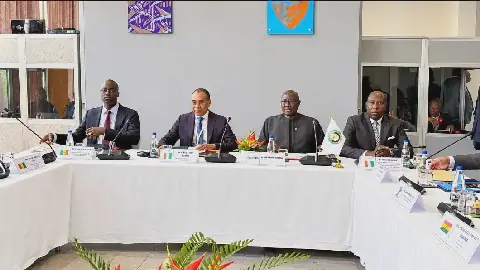
Casablanca Finance City (CFC) has identified over 40 investment projects in Cameroon, spanning four sectors: agribusiness, infrastructure, renewable energy, and green finance. The initiative was presented at a business forum in Douala on 24 November 2026, attended by 27 business representatives and investors. This effort follows exploratory work launched in June and is part of the third CFC Africa Tour.
The identified projects have not been publicly disclosed, with no project names, cost estimates, or investor commitments revealed at this stage. According to Hicham Chaoudri, director of institutional affairs and African partnerships at CFC Authority, project preparation is the central task. Investors will require clear sponsors, bankable feasibility studies, and defined financing structures before any commitment can follow.
Four companies joined the tour with direct sector relevance: CDG Capital, Marsa Maroc, Zalar Holding, and Infra Ventures for Afrika. CDG Capital brings investment banking capacity, Marsa Maroc operates in port services, Zalar Holding focuses on agribusiness, and Infra Ventures for Afrika targets infrastructure opportunities. Their participation does not confirm involvement in any specific project.
Morocco already has established commercial ties in Cameroon, with Moroccan firms operating in cement and banking, including Ciments de l’Afrique, LafargeHolcim Maroc Afrique, Attijariwafa Bank, and Banque Centrale Populaire. In 2024, Cameroon imported CFA45.3 billion of Moroccan goods, equal to 0.9% of total imports, according to Cameroon’s National Institute of Statistics.
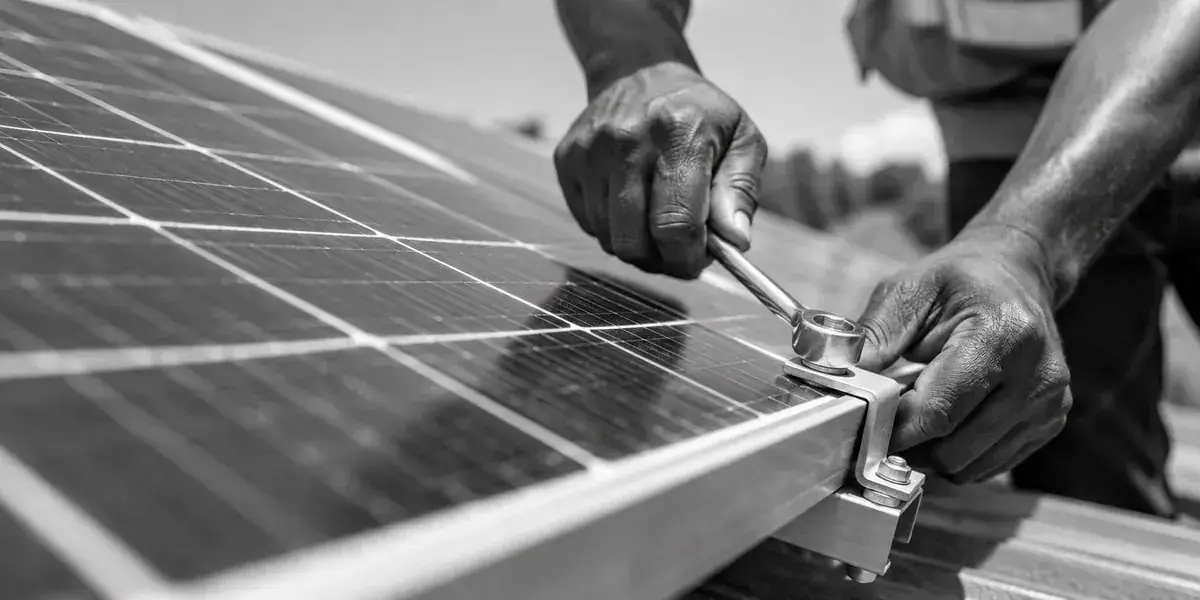
The pipeline of projects signals intent to connect Moroccan capital with Cameroonian project sponsors across productive sectors. The Cameroon government is actively seeking private investment, with the 2026 finance law allocating roughly CFA660.4 billion to major investment projects. A proposed 500-megawatt emergency solar programme reflects urgent demand for new power generation.
The initiative is part of a broader trend of intra-African capital mobilisation, with the African Development Bank (AfDB) driving efforts to mobilise diaspora capital against Africa’s US$400 billion funding gap. Investors will assess revenue models, foreign-exchange exposure, permits, and public-sector payment risks. The opening of Visa’s Cameroon office in Douala around the same period signals broader private-sector confidence in the market.
While the pipeline of 40-plus projects is significant, its impact will depend on the disclosed costs, investor commitments, and successful project implementation. The CFC’s effort has the potential to connect projects with regional capital at speed, which could be crucial for Cameroon’s development.
Key points
- The identified projects span four sectors: agribusiness, infrastructure, renewable energy, and green finance.
- The initiative follows exploratory work launched in June and is part of the third CFC Africa Tour.
- The Cameroon government is actively seeking private investment, with the 2026 finance law allocating roughly CFA660.4 billion to major investment projects.
Reporting sources
- Casablanca Finance City maps 40 Cameroon investment projects · FurtherAfrica