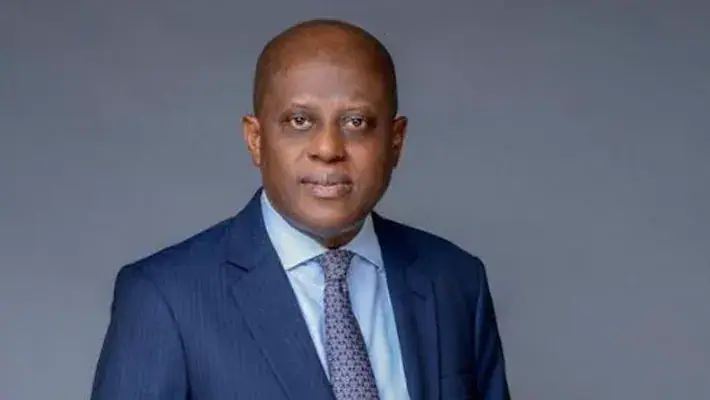
Central Bank of Nigeria (CBN) Governor, Olayemi Cardoso, has set an ambitious target to double private sector credit by 2030, emphasizing the need for a more resilient financial system. Speaking at the 61st Annual Bankers Dinner in Lagos, Cardoso outlined Nigeria's financial sector priorities, highlighting the importance of increased credit in supporting productive investments and accelerating economic growth. He stressed that achieving this goal would require stronger domestic institutional investments and deeper capital markets.
To achieve the target, Cardoso emphasized the need for financial institutions capable of financing businesses at various stages of growth. He noted that recent reforms must be consolidated to translate macroeconomic stability into broader economic opportunities. The CBN governor also highlighted the banking sector recapitalisation exercise, which concluded earlier in 2026, strengthening the industry's capacity to support economic development. A total of 33 banks met the revised minimum capital requirements, raising approximately N4.65 trillion in fresh capital.
Despite the progress, Cardoso acknowledged that stronger bank balance sheets alone would not guarantee affordable credit, citing elevated lending risks and weaknesses in credit assessment and collateral systems. He emphasized the need for sustained disinflation, stronger credit information infrastructure, and improved collaboration between monetary and fiscal authorities. The CBN governor reported significant improvements in Nigeria's macroeconomic conditions, with inflation declining from 24.48% in January 2025 to 14.06% in October 2026.
Cardoso also highlighted the country's improved external reserves, reaching their highest level in approximately 18 years, and enhanced transparency and investor confidence in the foreign exchange market. The economy recorded 4.43% real Gross Domestic Product growth in the second quarter of 2026. He stressed that the CBN's priority was to institutionalize the gains of the past three years through credible monetary policy and stronger financial sector governance.
The CBN governor announced plans to introduce a comprehensive and accessible regulatory rulebook in 2027, providing greater clarity on regulatory requirements and supervisory standards. He reiterated the apex bank's ambition to achieve sustainable single-digit inflation, protecting purchasing power and supporting long-term economic growth. On financial inclusion, Cardoso noted that 79% of Nigerian adults used formal or informal financial services, while 64% accessed digital financial services.
However, Cardoso expressed concern that only 10% of adults borrowed through formal financial channels, despite 53% reporting formal savings. He emphasized that the next phase of financial inclusion must focus on making financial services more useful to individuals and businesses, particularly by improving access to appropriate financing. The CBN's Payments System Vision 2028 targets 95% financial inclusion by 2028, alongside improved payment security and reduced fraud.
Looking ahead, Cardoso noted that artificial intelligence and digital assets would increasingly shape financial services, with applications in credit assessment, fraud detection, and cross-border settlements. He assured that the CBN would ensure that financial innovation developed within appropriate regulatory safeguards to preserve monetary and financial stability. Ultimately, Nigeria's ability to translate financial sector reforms into productive investment and wider economic opportunities would determine the success of its financial development agenda towards 2030.
Key points
- The CBN aims to double private sector credit by 2030 to drive economic growth.
- Nigeria's financial system must become more resilient, innovative, and responsive to the needs of a growing economy.
- The CBN targets 95% financial inclusion by 2028 through its Payments System Vision 2028.
Reporting sources
- Cardoso projects doubling of private sector credit by 2030 · Peoples Gazette