In Karambi village, Kasese district, William Ndeleghana, a young farmer, has earned Shs 880,000 from carbon credits generated by trees planted on his 4.3 acres of land since joining a tree-growing project in 2021. The payments have improved his family's financial stability, enabling him to pay school fees and plan for a future in business. Ndeleghana's success story is a testament to the growing trend of tree planting as a source of income and environmental conservation in the Rwenzori region.
Philimon Baluku Saalongo, another farmer, has also benefited from the programme, transforming his degraded land into a productive farm through agroforestry. With support from environmental conservation organisation EcoTrust, Baluku integrated trees with other agricultural activities, receiving Shs 370,000 after each monitoring exercise. The payments have enabled him to diversify his livelihood, keeping goats, chickens, and pigs while growing coffee, bananas, and cassava. His success has also reduced soil erosion and water runoff on his land.
The benefits of tree planting extend beyond individual farmers, with the Rwenzori Slopes Tree Farmers Cooperative Society promoting agroforestry and beekeeping while supporting members through livestock projects and access to quality seedlings. The cooperative, with over 2,500 members, operates a mobile money service and has introduced soft loans, particularly for women, to help families meet school fees and other basic needs. According to Peter Bwambali, a member of the cooperative, farmers collectively have over 2,500 hectares under trees and have earned money through the carbon credit programme.
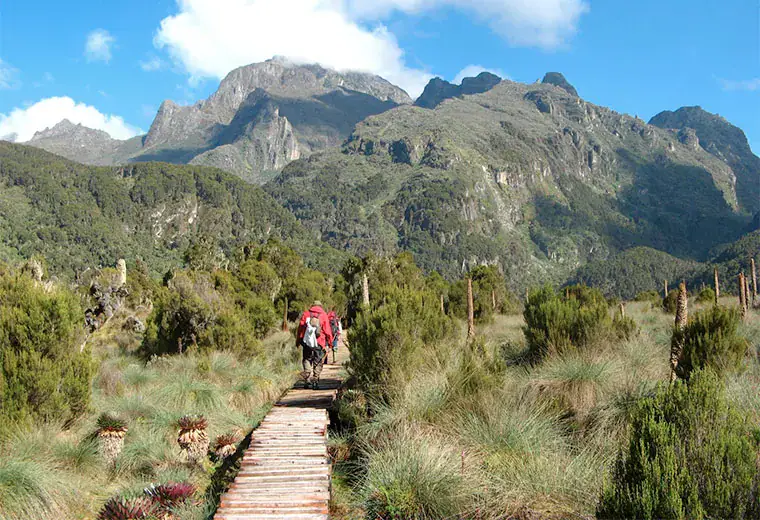
The cooperative's activities have encouraged farmers to save and invest in other enterprises, with Bwambali arguing that this support has contributed to household welfare and efforts to reduce domestic violence associated with financial difficulties. However, members say poor roads and inadequate communication infrastructure remain major obstacles, affecting the transportation of coffee and other agricultural produce to markets. Despite these challenges, tree planting has improved vegetation cover and reduced landslides compared with the situation five years ago.
At the Rukoki branch in Rukoki sub-county, the programme has encouraged farmers to combine tree planting with coffee production, livestock keeping, and savings. Simon Masereka, the branch chairperson, says the community previously had fewer trees, with conservation receiving limited attention. The branch has formed 18 farmer clusters to mobilise members around coffee production, tree planting, and monitoring, with farmers establishing market connections with other groups and creating opportunities for seasonal bonuses.
Winfred Namwirya, a Trees for Global Benefit farmer, began planting trees in 2012, recognising the economic potential of tree growing and the environmental benefits. She invested her earnings from carbon credits in other activities, mobilising other farmers and serving as a farmer coordinator. Namwirya says tree planting has reduced pressure on natural forests, with community members able to obtain firewood and medicinal plant materials from her farm. The programme has expanded tree cover across the area, with trees increasingly visible around homesteads and on farmers' plots.
The programme's impact is evident, with farmers growing coffee alongside trees observing improvements in coffee berries due to shade and better soil conditions. Under the programme, farmers are monitored over 10 years and receive carbon payments based on the trees' growth. As the programme continues to grow, it is expected to have a lasting impact on the environment and the livelihoods of thousands of farmers in the Rwenzori region.
Key points
- Tree planting has provided a source of income and a pathway into environmental conservation for thousands of farmers in Uganda's Rwenzori region.
Reporting sources
- Carbon credits: The growing fortunes of Rwenzori farmers · The Observer