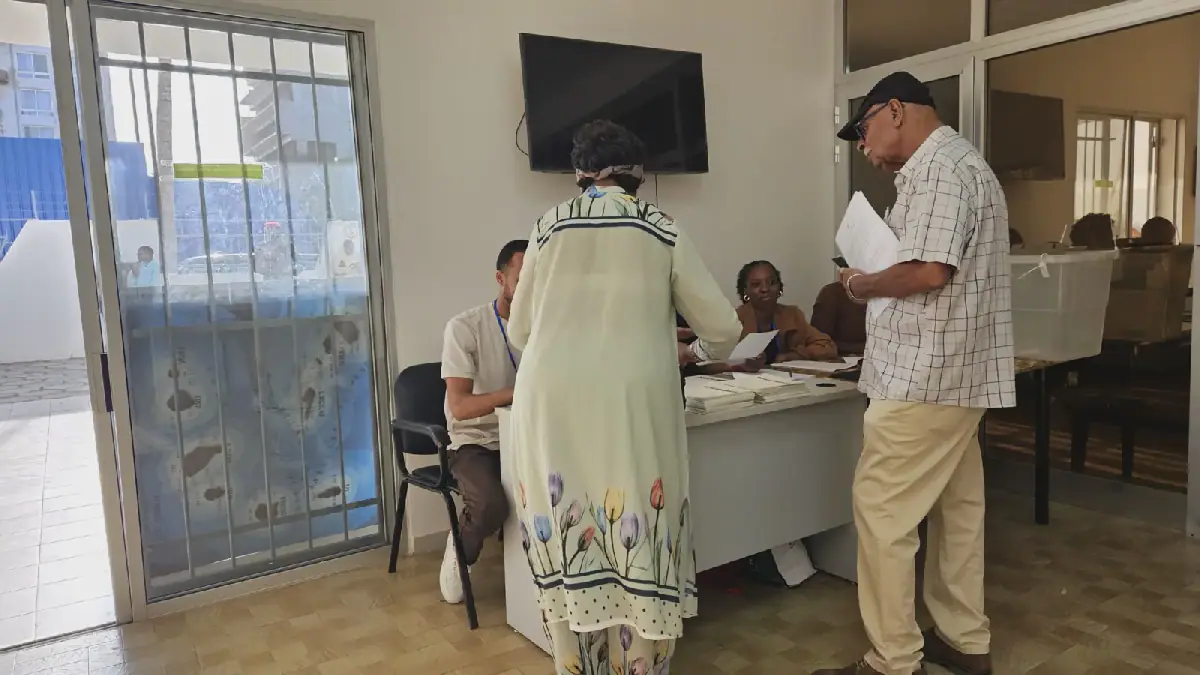
Cape Verde's November 15 presidential election has once again demonstrated the country's commitment to democratic competition, with José Maria Neves leading in the provisional results. However, the vote also exposed several challenges that need to be addressed. The election highlighted issues around diaspora participation, electoral logistics, and youth engagement. These challenges have sparked concerns about the strengths and weaknesses of Cape Verde's electoral system.
A significant number of registered voters, over 76,000, live abroad, accounting for more than 18 percent of the electorate. This large diaspora population presents logistical challenges for electoral authorities. Ensuring that diaspora voters can participate effectively is crucial for the legitimacy of the electoral process. The high number of diaspora voters also raises questions about the accessibility of voting processes for citizens living abroad.
Youth apathy was another issue that emerged during the election. Low voter turnout among young people can have significant implications for the future of Cape Verde's democracy. Encouraging youth participation is essential for ensuring that the electoral process is representative of all segments of society. Efforts to engage young voters and make the electoral process more appealing to them are necessary.
The electoral logistics also faced scrutiny during the election. With 419,448 registered voters, ensuring that all citizens can cast their votes efficiently is a complex task. The electoral authorities need to invest in improving the voting infrastructure and making the process more efficient. This includes ensuring that voting stations are well-equipped and that the voting process is smooth and transparent.
The Economic Community of West African States (ECOWAS) observers expressed satisfaction with the election process, noting that it was generally peaceful and transparent. However, they also highlighted some areas for improvement. The observers' report will likely inform future electoral reforms and help address some of the challenges faced during the election.
José Maria Neves' lead in the provisional results suggests that he is likely to win the presidential election. However, the challenges faced during the election need to be addressed to ensure the long-term stability of Cape Verde's democracy. The government and electoral authorities must work together to address the issues of diaspora voting, youth apathy, and electoral logistics.
The outcome of the election and the challenges faced will have implications for Cape Verde's future. The country's commitment to democratic competition is clear, but it must now focus on addressing the weaknesses in its electoral system. By doing so, Cape Verde can ensure that its democracy is robust and representative of all its citizens.
Key points
- Diaspora voting, youth apathy, and electoral logistics are key challenges that need to be addressed to strengthen Cape Verde's electoral system.
Reporting sources
- CAPE VERDE: Diaspora Voting, Youth Apathy And Electoral Logistics Under Scrutiny · West Africa Democracy Radio