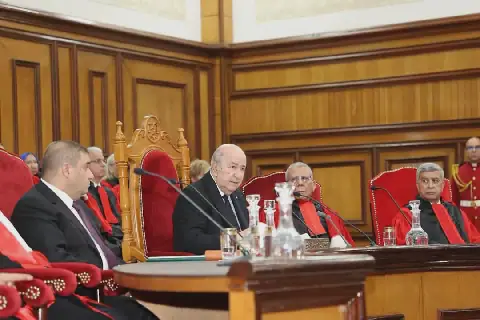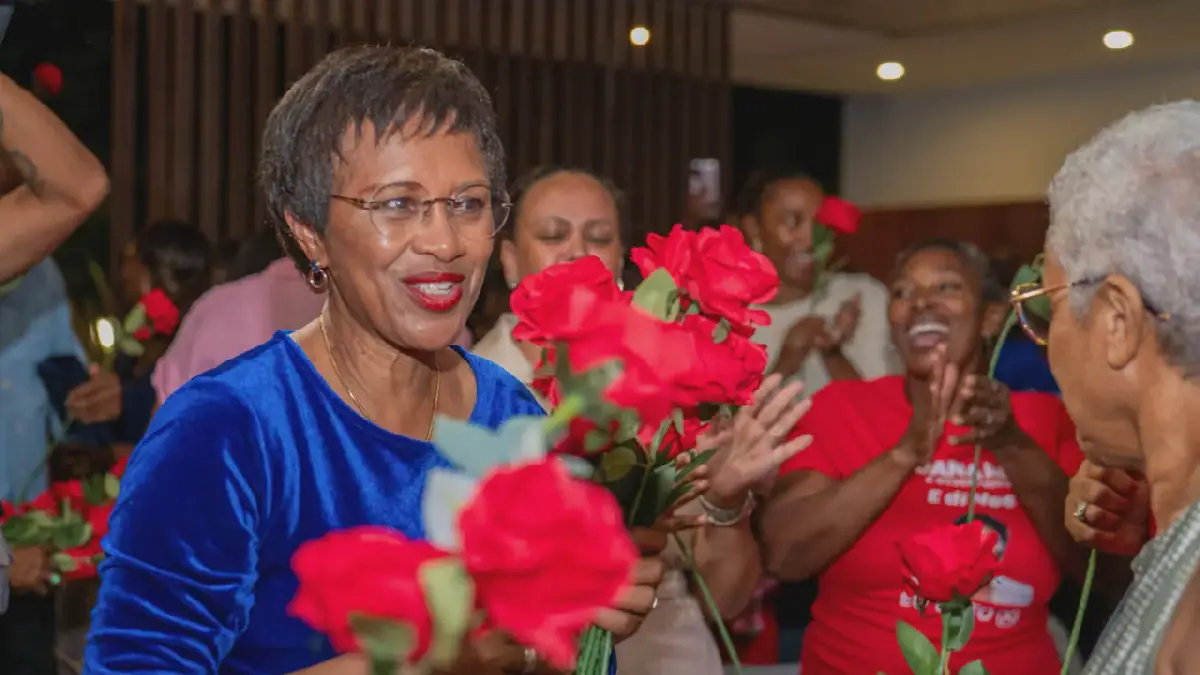
Polls closed on Sunday in Cape Verde's presidential election, where six candidates, including former justice minister Joana Rosa and incumbent President José Maria Neves, are vying for the top spot. If no candidate secures more than half the votes, a runoff will be held on 29 November. Rosa is supported by the opposition Movement for Democracy, which ruled for a decade before losing the parliamentary elections in May.
Cape Verde has never had a woman president or prime minister, despite women holding senior positions in the Cabinet. The nation faces significant challenges, including high unemployment and rising living costs. Aderito Cardoso, a 44-year-old resident of Villa Nova in the capital, Praia, expressed frustration with unfulfilled promises, saying, "I see many promises that are not fulfilled. I am tired, but I am still voting."
In Cape Verde's parliamentary system, the prime minister wields most executive power, while the president's role is largely ceremonial, although the president can veto legislation. The country, with a population of around half a million, enjoys a tradition of competitive elections and peaceful power transitions. Nearly 77,000 citizens living abroad are registered to vote, making up almost a fifth of the electorate.
Political science professor Roselma Évora noted that limited economic opportunities are prompting many young people to leave. Voters are seeking a president who understands their daily struggles. Neves, who won the presidency in 2021 with 52% of the vote, has pledged to foster cross-party support to enhance housing, healthcare, education, and job creation while increasing wages.
Évora said the president's incumbency gives him wider visibility, especially among overseas voters. In contrast, Rosa's candidacy challenges traditional gender roles in a society described as "very patriarchal." Rosa has campaigned on the idea that the presidency should act as a counterbalance to the African Party for the Independence of Cape Verde (PAICV), which controls the government and most municipalities.
A victory for Rosa would realign the presidency and the government under opposing political factions. Rosário Luz, a Cape Verde-based writer, emphasised that party loyalties are more critical than gender. "We have a lot of women in politics, but we don't have the policies for women that we should have," she said, highlighting that women often bear the financial burden of their households, a situation inadequately addressed by government policies.
The PAICV won a parliamentary majority in May, ending a decade of leadership by the Movement for Democracy. The election outcome will be crucial in determining the country's future direction, particularly in addressing the challenges of unemployment and rising living costs. The winner will need to navigate the complexities of Cape Verde's politics and economy to deliver on campaign promises.
Key points
- The presidential election in Cape Verde has six candidates, including former justice minister Joana Rosa, who is challenging incumbent President José Maria Neves.
- A victory for Rosa would mark a significant milestone for women in Cape Verdean politics, as the country has never had a female president or prime minister.
- The election outcome will have implications for the country's future direction, particularly in addressing the challenges of unemployment and rising living costs.
Reporting sources
- Cape Verde Poised to Elect its First Female President · sierraleonetoday.co.com