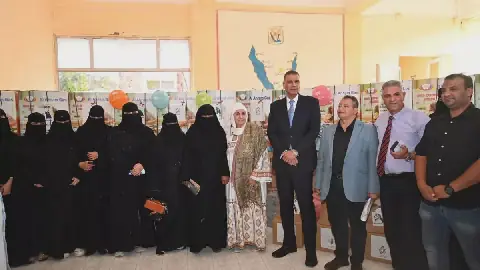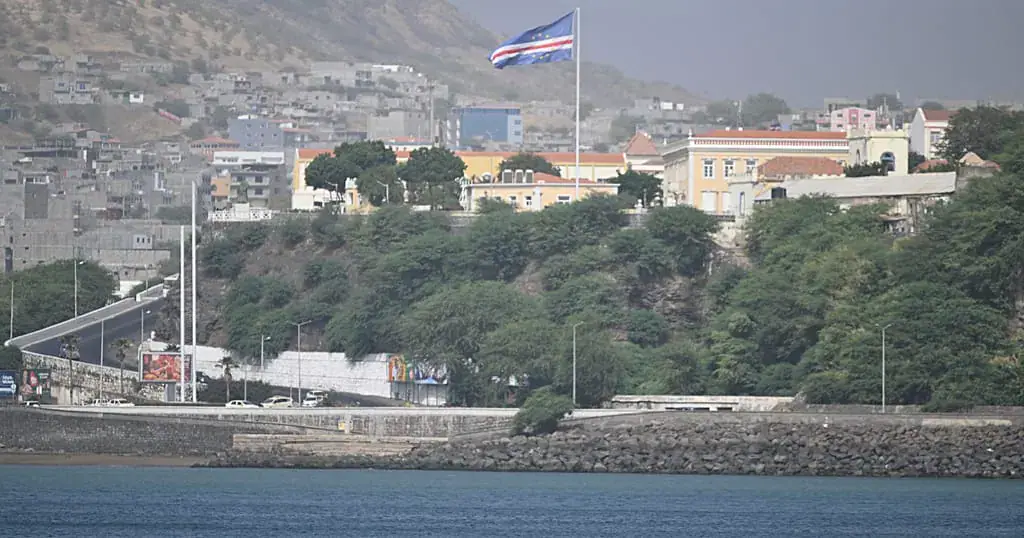
Hundreds of supporters of Cape Verde President Jose Maria Neves gathered in Sao Vicente to cheer him on as he kicked off his campaign for a second term in the November 15 presidential election. Neves, backed by the African Party for the Independence of Cape Verde (PAICV), which won a majority in May's legislative elections, is seeking to retain his position as president. His supporters chanted and held signs in his support, showing their enthusiasm for his re-election bid.
During the rally, Neves emphasized the need for reforms to increase salary levels in Cape Verde, stating that low wages hinder the country's growth and competitiveness. He highlighted that improving wages and household income is crucial for the nation's development. Neves' comments reflect his vision for the country's economic future and his plans to address the social challenges faced by its citizens.
A total of six candidates are vying for the presidency, with Neves' chief rival expected to be former Justice Minister Joana Rosa, backed by the Movement for Democracy (MpD). The National Elections Commission has confirmed the candidates, and the official end of campaigning is set for November 13. The competition is expected to be intense, with each candidate presenting their vision for the country's future.
Cape Verde, an archipelago of 520,000 inhabitants in the Atlantic Ocean, has been recognized as a model of democracy in Africa. Since gaining independence from Portugal in 1975, the country has enjoyed relative calm, with no electoral violence reported despite two periods of political cohabitation between different parties. This stability has contributed to its reputation as a beacon of democracy on the continent.
Despite its democratic achievements, Cape Verde faces significant social challenges, including poverty and youth unemployment. The country's economy is also a concern, with Neves' comments on the need for wage reforms reflecting the need for sustainable economic growth. The next president will need to address these issues to ensure the country's continued stability and development.
The presidential election on November 15 will be an important milestone in Cape Verde's democratic journey. With six candidates in the running, the competition is expected to be fierce, and the outcome will have a significant impact on the country's future. The National Elections Commission is responsible for ensuring the integrity and transparency of the electoral process.
As the campaign continues, candidates will need to present their visions for addressing the country's social and economic challenges. The outcome of the election will determine the direction of Cape Verde for the next five years, and citizens will be watching closely to see which candidate can best address their concerns and needs.
Key points
- President Jose Maria Neves kicks off campaign for second term in November 15 presidential election.
- Six candidates are vying for the presidency, with Neves' chief rival expected to be former Justice Minister Joana Rosa.
- Cape Verde faces significant social challenges, including poverty and youth unemployment, which the next president will need to address.