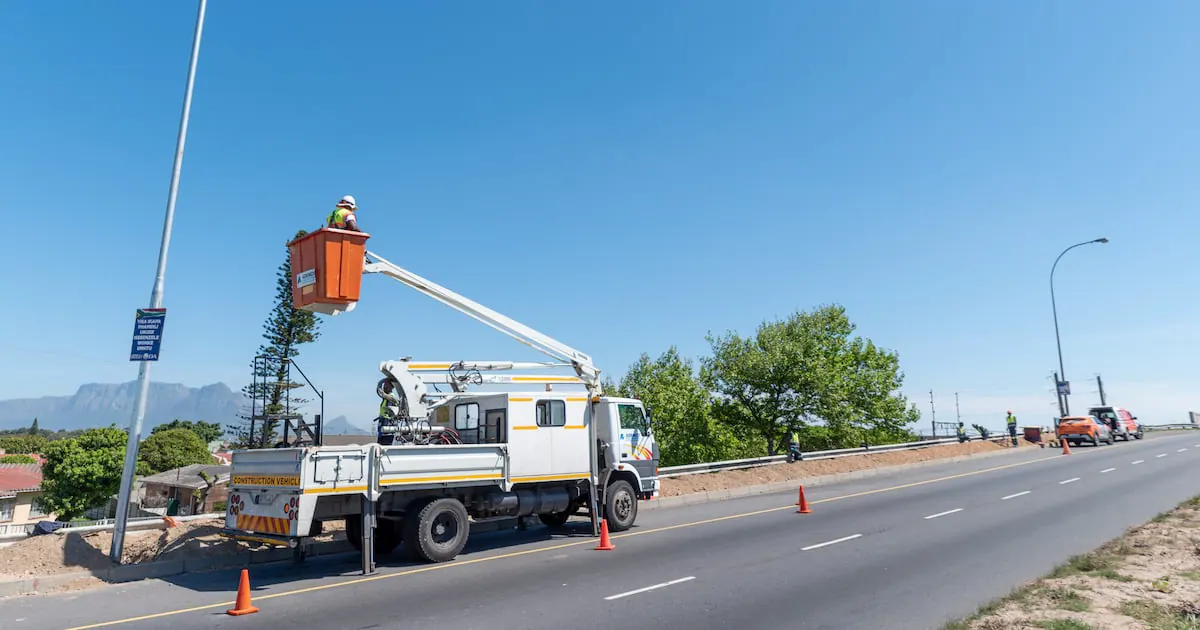
The City of Cape Town is taking a multi-faceted approach to address the persistent problem of cable theft and vandalism that has left many communities without electricity. As part of its strategy, the city has started installing 13.5-metre heavy-duty anti-vandalism poles with electrical connection boxes positioned higher above the ground to make them harder for thieves to access. This initiative aims to protect the municipality's electricity network from vandalism, theft, and illegal connections.
The upgraded poles have a larger diameter and thicker construction than standard streetlight poles, making them more resistant to tampering. According to Mayoral Committee Member for Energy Xanthea Limberg, the access points and electrical connection boxes have been raised, making them significantly more difficult to tamper with. The city is also installing additional surveillance cameras and sensors on all supply cables to enhance security and deter criminals.
The measures follow a R1.1m investment in streetlight upgrades along 35th Avenue in Bishop Lavis, a known vandalism hotspot. The corridor, which is part of the broader airport precinct, has seen repeated incidents of cable stripping and streetlight damage, costing the city over R2.2m in high-mast light maintenance and repairs during the previous financial year. The city hopes that these new interventions will help reduce the financial burden of repairing and replacing damaged electricity infrastructure.
Across the metro, vandalism and theft have forced the municipality to spend about R75m repairing and replacing damaged electricity infrastructure during the 2025/26 financial year. This significant expenditure could have been used to upgrade existing infrastructure and expand electricity services to communities. The city's efforts to protect its electricity network are ongoing, with a focus on burying cables underground where feasible and replacing copper conductors with materials of lower resale value.
In addition to the technological upgrades, the city is working with law enforcement agencies to clamp down on illegal scrapyards and deploying security personnel to identified hotspots. Limberg emphasized that the success of these interventions depends on the support of residents in reporting vandalism, theft, suspicious activity, and illegal connections. The city maintains a network of more than 245,000 streetlight fittings and continues to face thousands of electricity-related service complaints.
Between July and August, municipal teams attended to 28,417 publicly logged electricity service requests, including 8,964 streetlight-related complaints. The city is investing R6bn through its medium-term capital investment programme to strengthen the electricity distribution network. Limberg urged residents to report cable theft, vandalism, suspicious activity, and illegal electricity connections to police and municipal authorities to help safeguard critical electricity assets.
The city remains committed to protecting its electricity infrastructure, but lasting success requires the support of residents. By working together, the city hopes to reduce the incidence of vandalism and theft, and ensure that communities have access to reliable electricity services. The municipality's efforts to combat cable thieves and protect its electricity network are ongoing, with a focus on using technology and community engagement to achieve its goals.
Key points
- The City of Cape Town is investing R6bn to strengthen its electricity distribution network.
- The municipality spent R75m repairing and replacing damaged electricity infrastructure during the 2025/26 financial year.
- Residents are urged to report cable theft, vandalism, suspicious activity, and illegal electricity connections to police and municipal authorities.