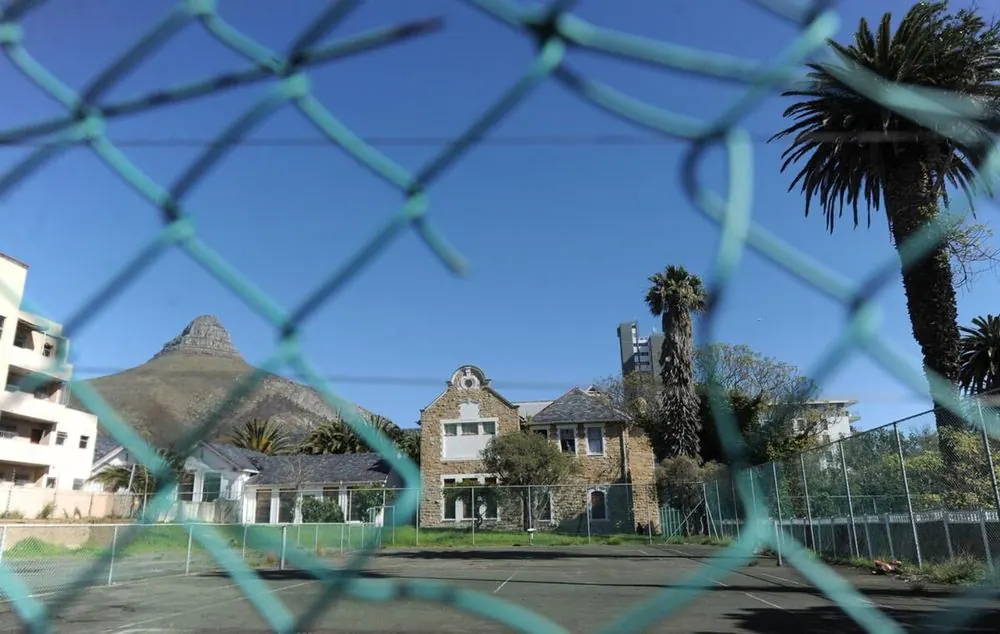
The City of Cape Town and Western Cape Government have reported to the Western Cape High Court on their affordable-housing plans for the Tafelberg site in Sea Point. The mixed-use development concept includes 481 units, comprising 252 social-housing and 229 open-market units. However, the province has stated that the numbers remain subject to further assessments and financial feasibility. The site is strategically located near the CBD and is served by public transport routes.
The Tafelberg site is significant, having been at the centre of a decade-long legal battle brought by housing activists. The Constitutional Court ruled three months ago that the Western Cape Government and the City had failed to comply with their obligations relating to the implementation and completion of their respective social-housing programmes, policies, and projects in the Cape Town CBD and Sea Point. The court ordered the province and City to submit detailed reports setting out their affordable housing programmes, projects, and plans.
The City's report to the court does not present the Tafelberg development as a City-owned housing project. Instead, it refers to the province-led 353 on Main and Tafelberg projects among the developments it is supporting. The City's report states that it accepts the constitutional imperative of spatial redress and the need to take reasonable measures to contribute progressively to adequate housing. However, it claims that it is "currently not in breach" of its constitutional obligations regarding spatial integration and housing delivery.
Ndifuna Ukwazi, one of the organisations that challenged the Tafelberg disposal, is questioning whether the City's release of public land is translating into actual housing delivery. The organisation's head of political organising and campaigns, Buhle Booi, stated that being "not in breach" meant more than just releasing parcels of land. He emphasised that the focus should be on ensuring that land already released for housing is developed.
The City's own submission to the court appears to bear out Ndifuna Ukwazi's concerns. Two Woodstock social housing projects, Pine Road and Dillon Lane, were awarded in 2019 but are listed in the City's report as undergoing "contract cancellation." A third project, the 343-unit Urban Peaks development in Parow, has stagnated due to a lack of progress with SHRA funding application. The City's report states that without funding, the project cannot materialise.
The City claims to have released 14 City-owned parcels for affordable and social housing since 2017, including six in the CBD. These sites have a combined potential yield of about 7,000 residential units, including 4,000 affordable units and 2,500 social housing units. A further 39 City-owned parcels are being packaged or prepared for release, potentially yielding about 40,000 residential units.
However, Booi questioned the City's 7,000-unit and 40,000-unit potential-yield figures, emphasising the need to clear the existing pipeline and ensure that land already released for housing is developed. He stated that public land in the city centre should be prioritised for social housing, citing Parliament's parking lot as an example of land that could be used for housing rather than parking.
Key points
- The City of Cape Town and Western Cape Government face scrutiny over their affordable-housing plans for the Tafelberg site.
- The City's report to the court claims that it is "currently not in breach" of its constitutional obligations regarding spatial integration and housing delivery.
- Ndifuna Ukwazi questions whether the City's release of public land is translating into actual housing delivery.