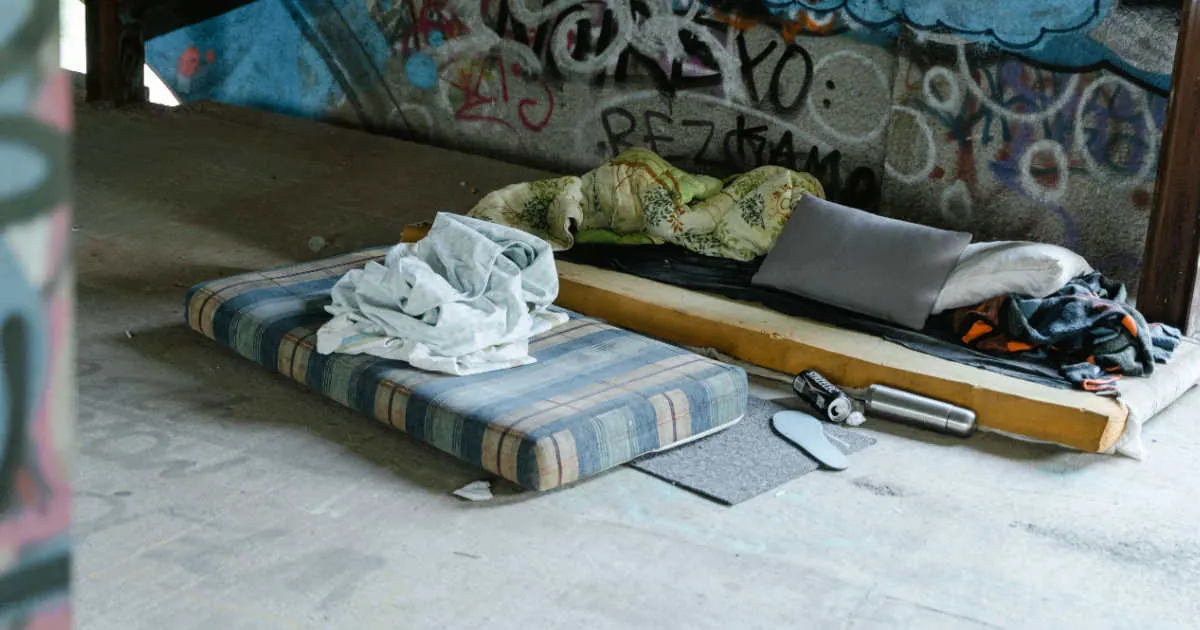
On World Homeless Day, October 10, the city of Cape Town is confronted with the reality of thousands of people experiencing homelessness, including members of the LGBTQIA+ community. For some queer individuals, homelessness begins at home due to rejection, family violence, or discrimination. The City of Cape Town reported that over 6,600 people were sleeping rough in the city, according to the 2022 Census.
The city's Safe Spaces programme provides overnight accommodation, meals, social work assistance, and referrals to support services. However, having a shelter system does not guarantee that every person can access a safe and suitable bed. The Commission for Gender Equality has raised concerns about the lack of a standardized approach to accommodating LGBTQIA+ people in shelters, calling for clearer policies and protections against discrimination.
Transgender individuals face additional challenges when seeking emergency accommodation. South African clinical guidance recommends that shelters accommodate transgender people according to their self-identified gender. However, questions remain about how different facilities implement inclusive practices, particularly when identity documents do not reflect a person's gender identity. This uncertainty can make an already difficult situation more precarious for transgender people.
Cape Town has dedicated LGBTQIA+ accommodation, including the Pride Shelter Trust, which provides temporary accommodation for LGBTQIA+ people experiencing homelessness and crisis. The Haven Night Shelter also has an LGBTQIA+-designated dormitory at its Culemborg 2 facility. However, information obtained indicates that the Culemborg 2 dormitory has a waiting list, highlighting the need for more available and suitable accommodation options.
When dedicated accommodation is full, the availability of appropriate alternatives becomes critical. For someone sleeping outside, being placed on a waiting list does not answer the immediate question of where they will sleep that night. The lack of transparent admission policies, adequate shelter capacity, and clear protections for transgender residents exacerbates the challenges faced by the homeless queer community.
Efforts to gather more information about the current situation were made, with MambaOnline approaching The Haven Night Shelter's CEO and the City of Cape Town for clarification on their policies and procedures. However, no responses had been received from the organizations approached at the time of publication. The absence of this information highlights the need for greater transparency and communication about the services available to the homeless queer community.
Ultimately, finding a safe place to sleep should not depend on who you are. The goal for Cape Town's homeless queer community must be more than finding a bed; it must be finding a place where being LGBTQIA+ is not another barrier to having somewhere to sleep. World Homeless Day should prompt a conversation about who can access safety, who is left waiting, and what happens when available services cannot meet someone's needs.
Key points
- The city's homeless queer community faces challenges in finding safe and suitable accommodation.
- Dedicated LGBTQIA+ accommodation options are available, but often have waiting lists.
- Greater transparency and communication about services available to the homeless queer community are needed.