A conference on family values scheduled to take place in Cape Town from May 12-15, 2027, has generated significant controversy. The event, known as the Third Pan-African Conference on Family Values, has been met with opposition from LGBTQIA+ organisations. They have written to President Cyril Ramaphosa requesting that he halt the event. The conference organisers describe it as a defence of "family values". However, the draft Charter defines the family in terms of marriage between a man and a woman, with no recognition for same-sex couples.
The proposed African Charter on Family, Sovereignty and Values, which is central to the conference, has been met with resistance from several countries. South Africa and Mozambique have already rejected it, citing concerns that it conflicts with their constitutions and existing human rights protections. The Charter's drafters argue that it is necessary to protect family values, but critics say it risks undermining LGBTQ+ rights and gender equality across the continent.
The debate over family values extends beyond LGBTQ+ communities. The issue is part of a wider pattern in which "family values" are being used to justify stripping fundamental human rights and obligations on gender equality. Family law, which governs marriage, divorce, property, inheritance, and custody, is a critical area where this plays out. Governments have an obligation to protect equality for all citizens, and family law is one of the clearest tests of whether they do.
The African Union's own treaty on women's rights, the Maputo Protocol, guarantees women equality in marriage and the family, protection from harmful practices, and the right to make their own decisions about reproductive health. However, the draft Charter calls on states to withdraw from agreements that conflict with its principles, naming Maputo specifically. This has raised concerns among civil society organisations and human rights groups.
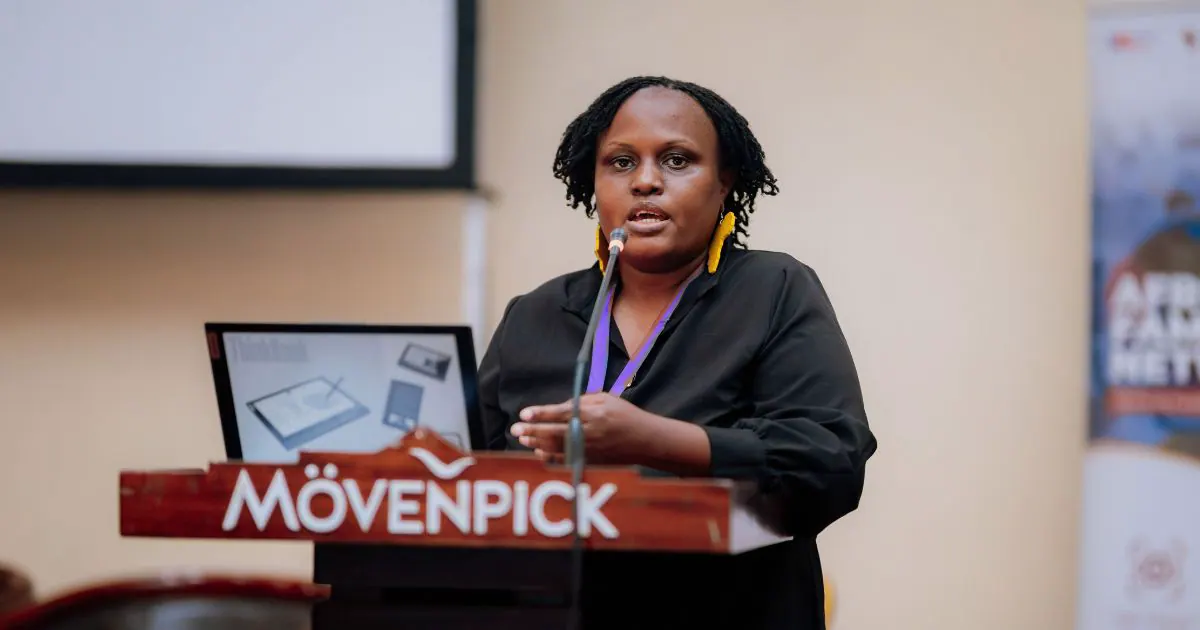
The Africa Family Law Network (AFLN), founded by Equality Now, FEMNET, Musawah, and the SIHA Network, has brought together African civil-society organisations across over a dozen countries to reject the weaponisation of "African tradition" to justify inequality. The AFLN and other groups argue that families should be places of equality, not exclusion. They are pushing back against the family-values charter, citing concerns about its impact on human rights and equality.
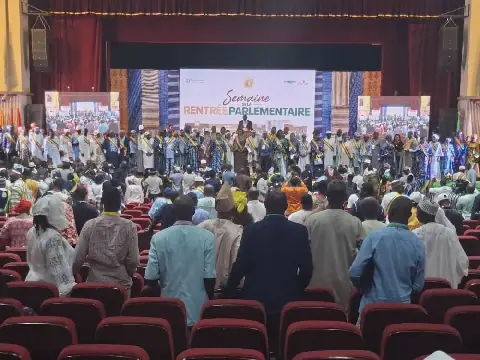
The Pan-African Conference on Family Values began in Nairobi in May 2025, where organisers adopted a declaration affirming the family as society's "natural and fundamental" unit and calling for stronger legal protection of parental authority. The Nairobi declaration set the terms for a debate that continued in Accra the following year, where delegates from over 20 African countries endorsed the draft Charter.
The controversy surrounding the Cape Town conference highlights the challenges of reforming family law in Africa. Governments and communities often treat family law as too personal or too tied to culture to change. However, civil society organisations and human rights groups are pushing for reforms that promote equality and protect human rights. The outcome of the conference and the fate of the draft Charter remain to be seen.
Key points
- The proposed African Charter on Family, Sovereignty and Values risks undermining LGBTQ+ rights and gender equality across the continent.
- The Maputo Protocol, an African Union treaty on women's rights, guarantees women equality in marriage and the family, but the draft Charter calls on states to withdraw from agreements that conflict with its principles.
- Civil society organisations are pushing back against the family-values charter, citing concerns about its impact on human rights and equality.