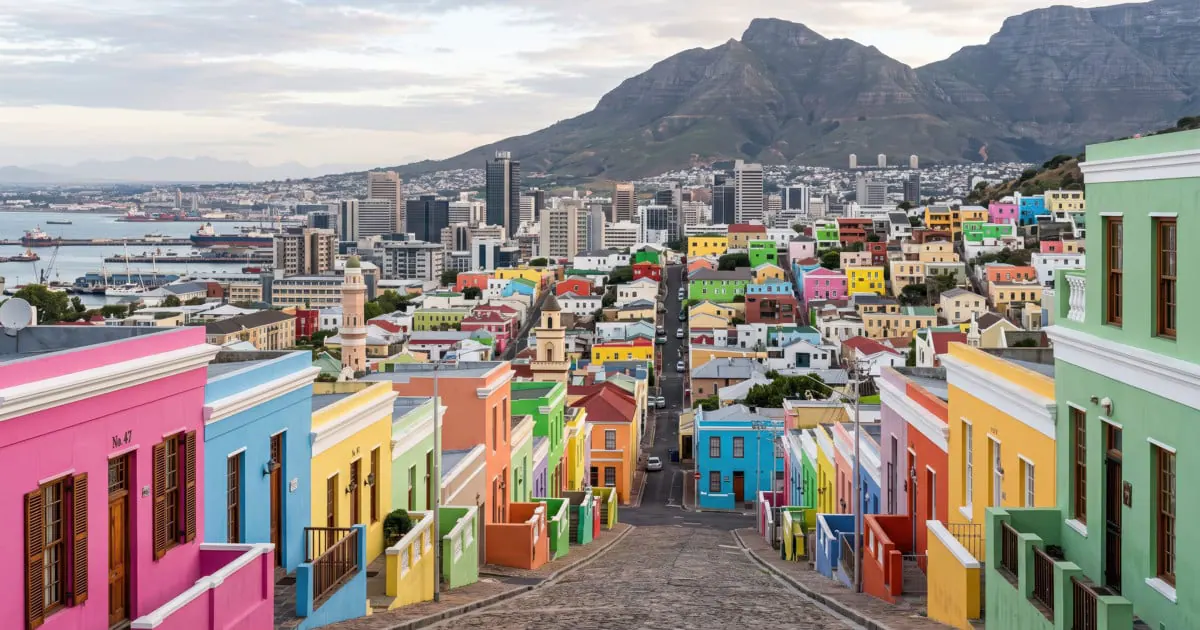
Cape Town's rapid growth is putting pressure on housing, infrastructure, and basic services, raising questions about how the City will accommodate more residents. The City's Deputy Mayor, Eddie Andrews, explained that the City is planning for future growth through infrastructure investment while acknowledging the need to connect socially vulnerable residents to economic and housing opportunities. This discussion comes amid concerns that high-end development is driving up property values and rents, pushing working-class residents towards the outskirts of the city.
Deputy Mayor Andrews said the City is planning for a future in which more people will live in urban areas and that sustainable development is essential to managing that growth. He described the City's approach as "infrastructure investment-led growth," arguing that planning for future population increases is necessary to ensure sustainable development. Andrews emphasized that if the City doesn't plan sustainably, the consequences will be felt in the city. The City wants to make use of Cape Town's political stability and policy certainty to plan for future growth.
Andrews rejected the suggestion that the City is approving too much development without properly consulting residents. He said there are different stages to the planning process, including public participation when property owners apply for rezoning. Building-plan applications are then assessed by the City, including consideration of environmental and heritage impacts where required. Andrews said the City can require changes to proposed developments, including reducing their footprint or the number of units.
The impact on traffic and whether developers can contribute towards road widening are also among the issues considered. Andrews said the municipal planning tribunal considers whether an application is desirable for the area, with planning appeals providing a further stage in the process. He said the City wants to use existing capacity optimally before expanding development towards the outskirts. Residents have raised concerns about whether road infrastructure can cope with the number of new developments, including in areas from Rondebosch East to Brackenfell.
Andrews said the City has established a spatial planning collective involving civic structures and members of the public, with workshops intended to help residents understand development and planning decisions. He said the City recognizes that residents want reassurance that their concerns are being considered. Andrews also said the City has to balance development with the protection of green infrastructure and critical biodiversity areas. On migration to Cape Town, he said people will continue moving to places where they believe better opportunities exist.
Andrews argued that improving conditions in other metropolitan areas could help slow migration to Cape Town. The interview also raised questions about whether residents are adequately informed about planning decisions and given sufficient opportunities to participate. Andrews said the City's Municipal Spatial Development Framework guides local planning districts, the municipal planning tribunal, and the planning appeals authority. He said the City uses ward committees, sub-councils, social media platforms, and local newspaper advertisements to notify residents about participation opportunities.
Cape Town has 116 wards, and Andrews said ward committee structures are invited to participate in planning discussions. He acknowledged that some communities do not actively participate but said the City wants residents to engage with the planning process. Andrews said the City had extended the public participation period during its previous review of the municipal spatial framework after residents said they had not been aware of the process. The City's long-term plan looks ahead to 2050, while the spatial framework also considers development over shorter periods.
Key points
- The City of Cape Town is planning for future growth through infrastructure investment.
- Deputy Mayor Eddie Andrews emphasized the need for sustainable development to manage the city's growth.
- The City is taking steps to ensure that residents are informed and involved in the planning process.