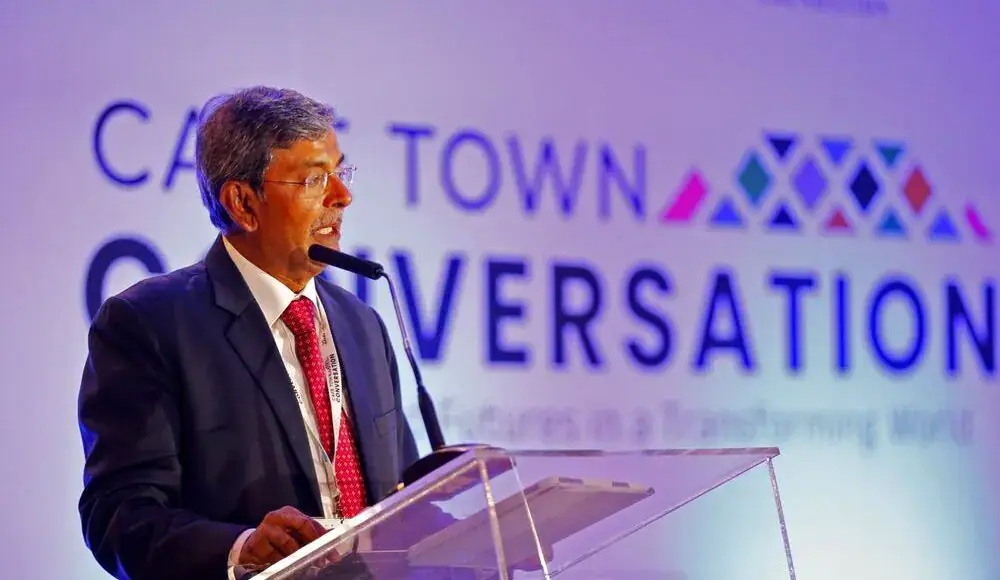
The fourth annual Cape Town Conversation, hosted by the Thabo Mbeki Foundation and India's Observer Research Foundation, brought together delegates to discuss pressing issues facing developing countries. The conference, held at The Westin in Cape Town, focused on "Shaping Shared Futures in a Transforming World". On the second day, delegates shifted from discussing global divisions to exploring practical solutions. They examined ways to enhance cooperation among emerging economies, particularly through the BRICS bloc, which has recently expanded to include more countries from Africa, Asia, and the Middle East.
Delegates sought to determine how BRICS can deliver tangible economic benefits over the next 20 years, beyond simply increasing its membership. Speakers, including India's High Commissioner to South Africa, Prabhat Kumar, and the chairperson of the South African BRICS Think Tank, Mogomme Alpheus Masoga, emphasized the need to boost the New Development Bank's capacity to fund infrastructure and local manufacturing in developing countries. Representatives from Russia, Brazil, and Egypt also participated in the discussions. The focus was on strengthening economic ties and fostering growth through collaborative efforts.
The conference also addressed the growing trend of using trade routes, energy supplies, and financial systems as tools of political pressure. In a session titled "The Return of Geopolitics", panellists from the South African Institute of International Affairs, the International Crisis Group, South Korea, and Latvia discussed alternative trade routes and financial arrangements that developing countries can establish without becoming dependent on powerful nations. This session highlighted the need for developing countries to diversify their economic relationships and reduce their vulnerability to external pressures.
With government budgets under strain and reduced international development funding, delegates explored strategies for promoting growth at the local level. Swati Sharma of India's Ministry of Rural Development and former Ethiopian Deputy Prime Minister Ato Demeke Mekonnen led discussions on sharing knowledge and best practices between countries. One example cited was linking India's National Rural Livelihoods Mission with African programs, such as Nigeria for Women, to empower women to start businesses and access digital financial services. This approach aims to foster grassroots growth and sustainable development.
The role of artificial intelligence in driving growth in developing economies was also examined. Delegates discussed ways to move beyond small-scale test projects and harness AI to support business growth. Additionally, sessions focused on the transition to cleaner energy, with a particular emphasis on partnerships that combine South Africa's mineral resources, India's clean-energy manufacturing capabilities, Brazil's biofuels expertise, and Indonesia's battery industry. These collaborations aim to promote sustainable development and reduce reliance on fossil fuels.
However, delegates also warned that delaying action on climate change will have severe consequences, including weaker economies and reduced food security. The need for urgent and collective action to address climate change was underscored, with a focus on developing countries' unique challenges and opportunities. By working together, delegates argued that developing countries can build more resilient economies and create a more sustainable future.
The Cape Town Conversation provided a platform for experts and policymakers to share insights and explore solutions to pressing global challenges. Key points from the conference included the need for enhanced cooperation among emerging economies, the importance of local growth initiatives, and the potential for AI and clean energy to drive sustainable development. As the world continues to evolve, events like the Cape Town Conversation will play a crucial role in shaping shared futures and promoting collaborative problem-solving.
Key points
- Delegates emphasized the need to boost the New Development Bank's capacity to fund infrastructure and local manufacturing in developing countries.
- The conference highlighted the growing trend of using trade routes, energy supplies, and financial systems as tools of political pressure.
- Delegates warned that delaying action on climate change will have severe consequences, including weaker economies and reduced food security.
Reporting sources
- From AI to clean energy: Cape Town forum tackles developing world’s challenges · African News Agency