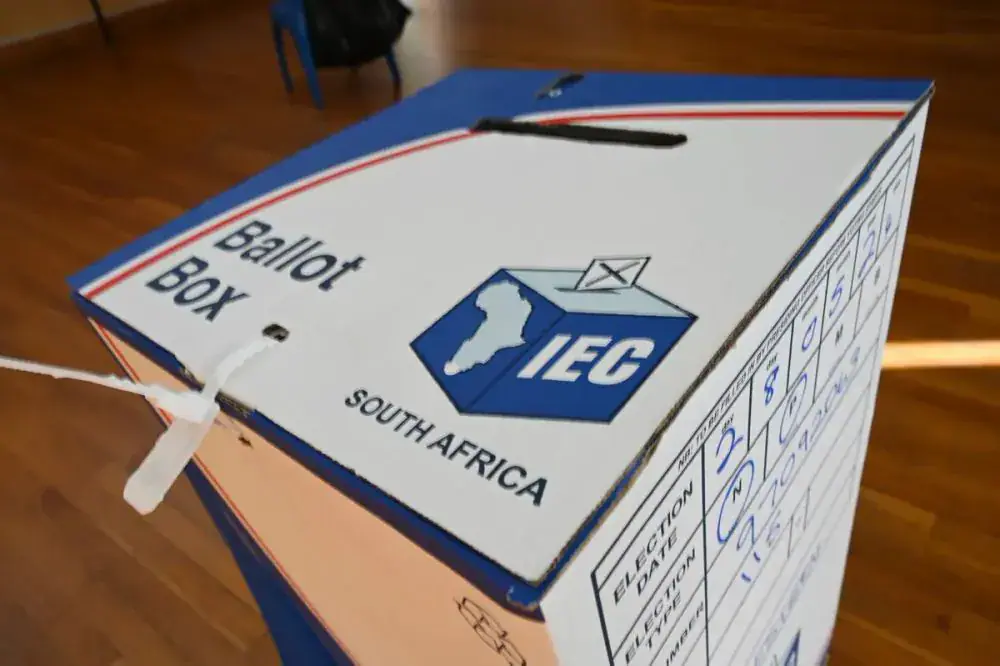
As the 2026 local government elections unfolded in Cape Town, South Africa, political leaders cast their votes and delivered messages focusing on key issues such as affordable housing, gang violence, and service delivery. The elections saw various parties making their pitches to voters across Cape Town and the Western Cape.
GOOD Party leader Patricia de Lille urged South Africans not to lose faith in democracy despite public frustration with government. She called for municipal budgets to prioritize poorer communities and address historical inequalities. De Lille emphasized the need to use publicly owned land to create housing opportunities closer to employment, citing the persistence of apartheid spatial planning.
DA federal leader and Cape Town Mayor Geordin Hill-Lewis defended the City's approach to increasing affordable housing, arguing that reducing unnecessary red tape was crucial to increasing supply. He also highlighted the City's record on releasing land for housing projects, stating that more City-owned land was released in the last term of office than ever before in Cape Town.
NCC deputy president Larry Varrie predicted a significant challenge to the DA's support in the Western Cape, stating that the DA would fall well below 50% in the region. He expressed confidence in the National Coloured Congress's prospects, citing the party's efforts to challenge what he described as white supremacy and restore people's dignity.
ActionSA mayoral candidate Dereleen James focused on gang violence, drug abuse, and unequal access to municipal services, highlighting the need for investment in education and community development to prevent crime. She proposed establishing and funding Local Drug Action Committees and supporting non-profit organisations working with victims of violence.
Freedom Front Plus leader Dr Corne Mulder expressed confidence in his party's campaign, citing a high turnout of voters and optimism about the party's electoral prospects. The party's leader stated that it was indeed their time and that they aimed to bring change.
The elections also marked the United Democratic Front's return to electoral politics, with the party's president Andrew Marx outlining the organisation's ambitions to bring its founding principles of non-racialism, non-sexism, and an inclusive society into local government. The UDF targeted working-class communities in the Western Cape.
Key points
- The 2026 local government elections in Cape Town saw a focus on affordable housing, crime, and service delivery.
- Various parties, including the DA, GOOD Party, and ActionSA, made their pitches to voters across Cape Town and the Western Cape.
- The elections marked the United Democratic Front's return to electoral politics, with a focus on non-racialism, non-sexism, and an inclusive society.