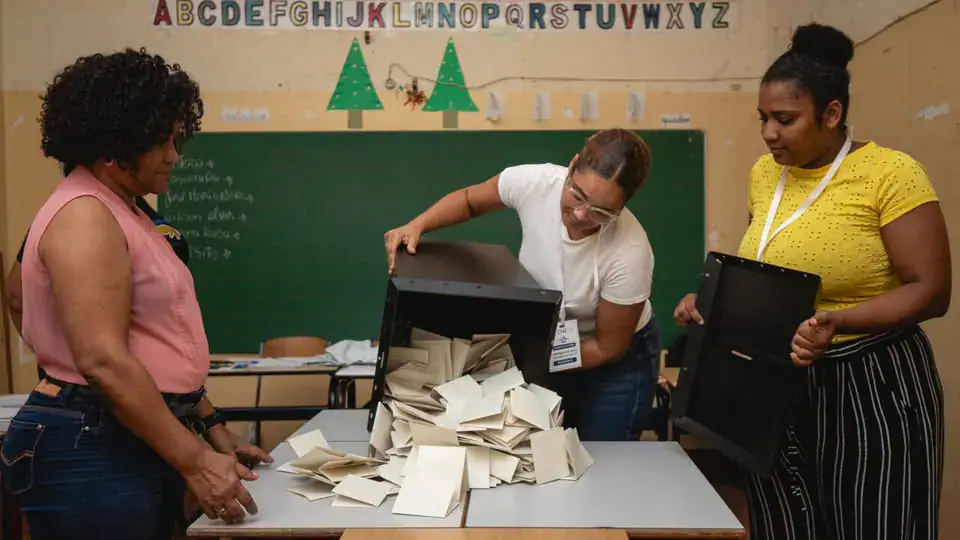
On November 15, Cap Verdeans went to the polls to choose their next president, with six candidates vying for the top spot. Incumbent president José Maria Pereira Neves is seeking a second term, and according to tradition, he is expected to win. The election took place in a peaceful climate, a hallmark of Cap Verde's stable democracy. The country's electoral process has been characterized by a high level of maturity and civility, with candidates engaging in respectful campaigning.
Cap Verde is one of the few African countries where elections are held without major incident or violence. The campaign period was marked by a lack of disruptions, with candidates showing a high degree of political maturity. This is in contrast to some other African countries, where elections often descend into violence and intimidation. Cap Verde's stability and democratic credentials have earned it a reputation as a beacon of hope in the region.
The incumbent president, José Maria Pereira Neves, has a strong pedigree and is well-versed in the country's politics. He has been in office for five years and has a deep understanding of the country's institutions and systems. His re-election is seen as a likely outcome, given the country's tradition of re-electing incumbent presidents. However, the opposition candidates are hoping to challenge his dominance and offer a new vision for the country.
Despite the peaceful nature of the election, the next president will face significant challenges. The country is grappling with major economic difficulties, including high unemployment among young people and a rising cost of living. The new president will need to prioritize economic development and job creation to address these pressing issues. Additionally, there is a growing disinterest in politics among young people and entrepreneurs, which could impact voter turnout.
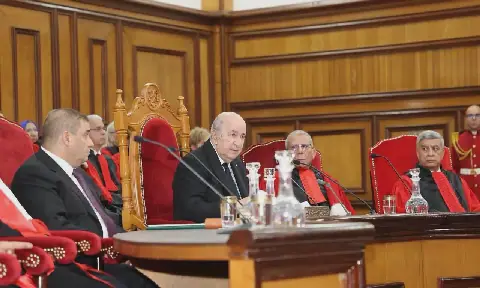
The country's institutions and democratic processes are seen as strong, with a robust system of checks and balances. The constitutional court plays a crucial role in ensuring the integrity of the electoral process and has shown itself to be independent and impartial in the past. This has helped to build trust in the electoral process and ensure that the winner of the election is accepted by all parties.
The next president will need to work to preserve Cap Verde's reputation as a stable and democratic country. This will require continued efforts to strengthen institutions and ensure the rule of law. The country has a lot to lose if it fails to maintain its democratic credentials, and the international community will be watching closely. A smooth transition of power and a peaceful resolution to any electoral disputes will be essential.
Ultimately, the outcome of the election will have significant implications for Cap Verde's future. The new president will need to address the country's economic challenges and work to rebuild trust in politics. With the right leadership and policies, Cap Verde can continue to thrive as a stable and prosperous democracy. The country's future is in the hands of its voters, who will have the final say on November 15.
Key points
- Incumbent president José Maria Pereira Neves is seeking a second term in office.
- The election took place in a peaceful climate, with candidates engaging in respectful campaigning.
- The next president will face significant challenges, including high unemployment and a rising cost of living.