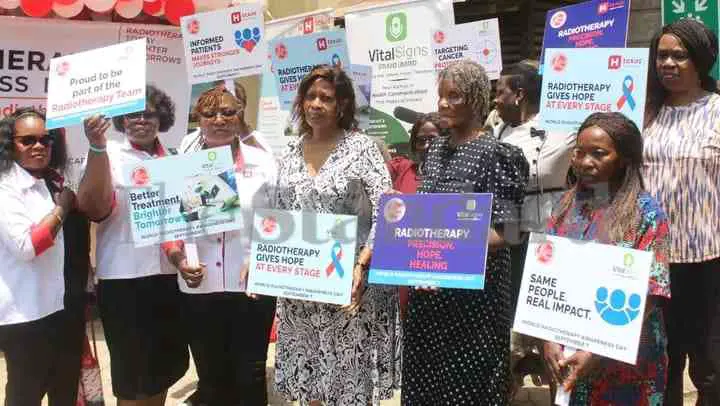
Kenyan oncologists are urging the government to expand cancer screening services, citing that a significant number of patients are presenting with advanced stage four cancer, limiting treatment options and worsening outcomes. According to clinical oncologist Mumo Muoki, about 70% of patients presenting at hospitals have stage four cancer. Muoki spoke during Customer Service Week at Texas Cancer Centre, where healthcare professionals emphasized the need for greater public awareness, early screening, and stronger family support for people undergoing cancer treatment.
The World Health Organization estimates that Kenya records approximately 44,700 new cancer cases and 27,000 cancer-related deaths annually. The organization's 2025 annual report identifies limited access to screening, particularly in rural and underserved areas, as a challenge to early detection and timely care. Muoki warned that most patients present with advanced stages of cancer, making it crucial to expand access to screening services to help identify cancer before it advances.
Dr. Elvus Obura, a pharmacist at Texas Cancer Centre, notes that improved diagnostic tools are giving healthcare institutions more opportunities to identify cancer cases. He explains that newer modalities of screening and identifying cancer are stationed in almost every healthcare institution, allowing the country to identify more cases. This expanded diagnostic capacity is a significant step towards early detection and treatment.
Healthcare professionals also emphasize the importance of family support for patients undergoing cancer treatment. Priscilla Onyango, a clinical navigator at Texas Cancer Centre, says some patients stop treatment when they lack support from relatives. She stresses that family support is crucial for patients to complete their treatment. Without it, patients may become treatment-naive, compromising their chances of recovery.
Psychologist Sharon Monchari urges people to seek medical attention when they notice changes in their bodies, warning against dismissing symptoms such as wounds. She emphasizes that early screening can help patients seek care before their conditions advance. Monchari's sentiments align with the goals of Breast Cancer Awareness Month, an annual campaign promoting public education, screening, and early detection.
The calls for expanded cancer screening and awareness come as Kenya continues to grapple with the burden of cancer. The country faces challenges in providing care, particularly in rural and underserved areas. Healthcare professionals are advocating for a multi-faceted approach that includes public awareness, early screening, and stronger support systems for patients and their families.
As the country marks Breast Cancer Awareness Month, healthcare professionals are reiterating the importance of early detection and screening. Key to this effort is the expansion of screening services to reach more Kenyans, particularly in underserved areas. By working together, stakeholders aim to reduce the number of late-stage cancer diagnoses and improve treatment outcomes.
Key points
- 70% of patients presenting at hospitals have stage four cancer
- Kenya records approximately 44,700 new cancer cases and 27,000 cancer-related deaths annually
- Expanded access to screening services is crucial for early detection and treatment of cancer