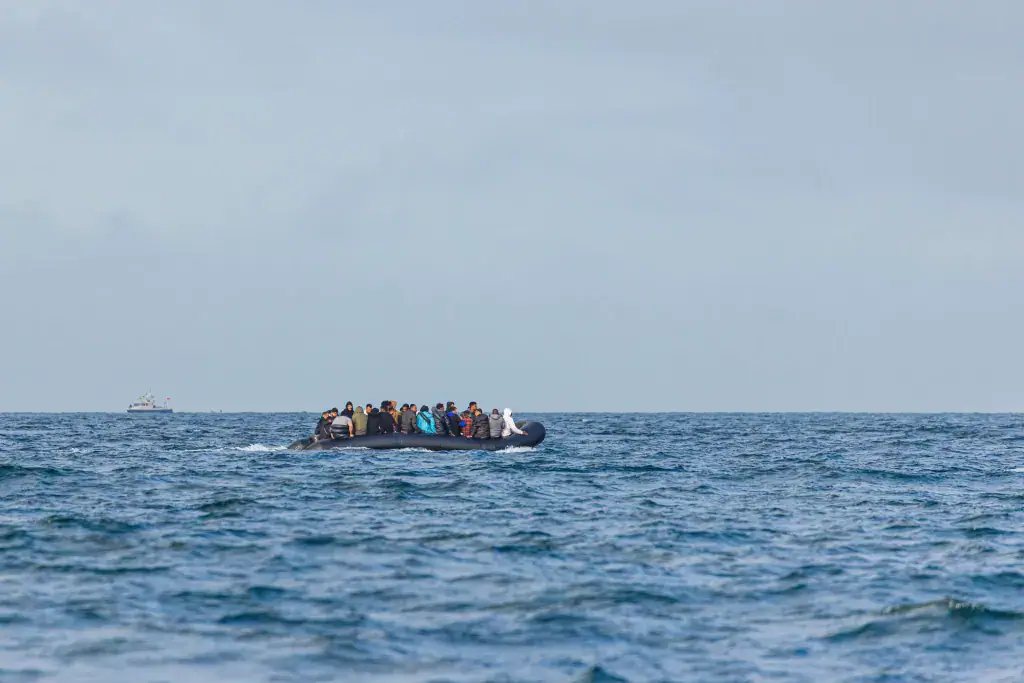
The Canary Islands, an autonomous community of Spain located off the northwest coast of Africa, have been facing a significant influx of migrants in recent weeks. According to regional authorities, almost 6,000 people have arrived on the islands in precarious boats, known as "pateras" or "cayucos," within the past week. This sudden surge has prompted the regional government to declare a migration emergency and request urgent assistance from the Spanish government and the European Union.
The island of El Hierro, with a population of around 12,000 people, has been particularly affected by the influx of migrants. Regional President Fernando Clavijo has stated that the island needs immediate reinforcement of healthcare services, including a field hospital, to cope with the large number of arrivals. Clavijo has also called for a coordinated response from the Spanish government and the European Union to address the migration crisis.
According to official statistics from the Spanish Ministry of Interior, the number of migrants arriving on the Canary Islands has increased significantly compared to the same period last year. Between November 1 and 6, 49 boats with 4,587 people arrived on the islands, with 35 of those boats landing on El Hierro. In addition, 1,313 migrants arrived on El Hierro and 143 on the island of Lanzarote over the weekend.
The migration crisis on the Canary Islands has been attributed to various factors, including the instability in the Sahel region and the signing of agreements with countries of origin and transit. However, the route from Morocco and Western Sahara, as well as from Mauritania, Senegal, Gambia, and Mali, is considered one of the most dangerous migration routes in the world. The United Nations estimates that 17,788 irregular migrants arrived on the Spanish islands in 2025, with at least 416 reported deaths or disappearances at sea.
Regional President Fernando Clavijo has spoken with Spanish Prime Minister Pedro Sánchez, who has pledged to reinforce the islands with additional resources and convene an interministerial meeting in Madrid to discuss the situation with regional authorities. Clavijo has also requested urgent meetings with European Commission President Ursula von der Leyen and European Commissioner for Home Affairs and Migration Magnus Brunner.
The Canary Islands have been a key entry point for migrants attempting to reach Europe, with many attempting to cross the Atlantic Ocean in precarious boats. The situation has been exacerbated by the COVID-19 pandemic and the ongoing conflict in Ukraine. The European Union has been working to strengthen its external borders and improve cooperation with countries of origin and transit to address the migration crisis.
The migration emergency on the Canary Islands highlights the need for a coordinated response from European governments and institutions to address the root causes of migration and provide support to affected regions. The situation on the islands is a reminder of the complexities and challenges of migration management in Europe and the need for a comprehensive and sustainable solution.
Key points
- The Canary Islands have declared a migration emergency after nearly 6,000 people arrived on the islands in precarious boats within a week.
- The regional government has requested urgent assistance from the Spanish government and the European Union to address the migration crisis.
- The migration crisis on the Canary Islands is part of a broader trend of increased migration to Europe, with many attempting to cross the Atlantic Ocean in precarious boats.
Reporting sources
- Canárias em "emergência migratória" com chegada de 6.000 numa semana · Expresso das Ilhas