The African continent is still grappling with the consequences of colonialism, with many countries struggling with dictatorial regimes, human rights abuses, and economic underdevelopment. René Dumont, a French agronomer, had warned about the continent's plight as early as 1962, stating that "Black Africa is badly off." His book, "False start in Africa," was banned in many Francophone countries, but its message remains relevant today. The situation is particularly dire in countries like Togo, where the regime has been accused of human rights abuses and nepotism.
The legacy of colonialism continues to haunt Africa, with many countries still struggling to overcome the economic and social challenges imposed by their former colonial powers. The concept of "Françafrique" has been used to describe the complex web of relationships between French politicians and African dictators, which has perpetuated the continent's underdevelopment. While some argue that the West, particularly France, bears significant responsibility for Africa's woes, others point out that African leaders themselves have contributed to the problem through their corrupt and authoritarian practices.
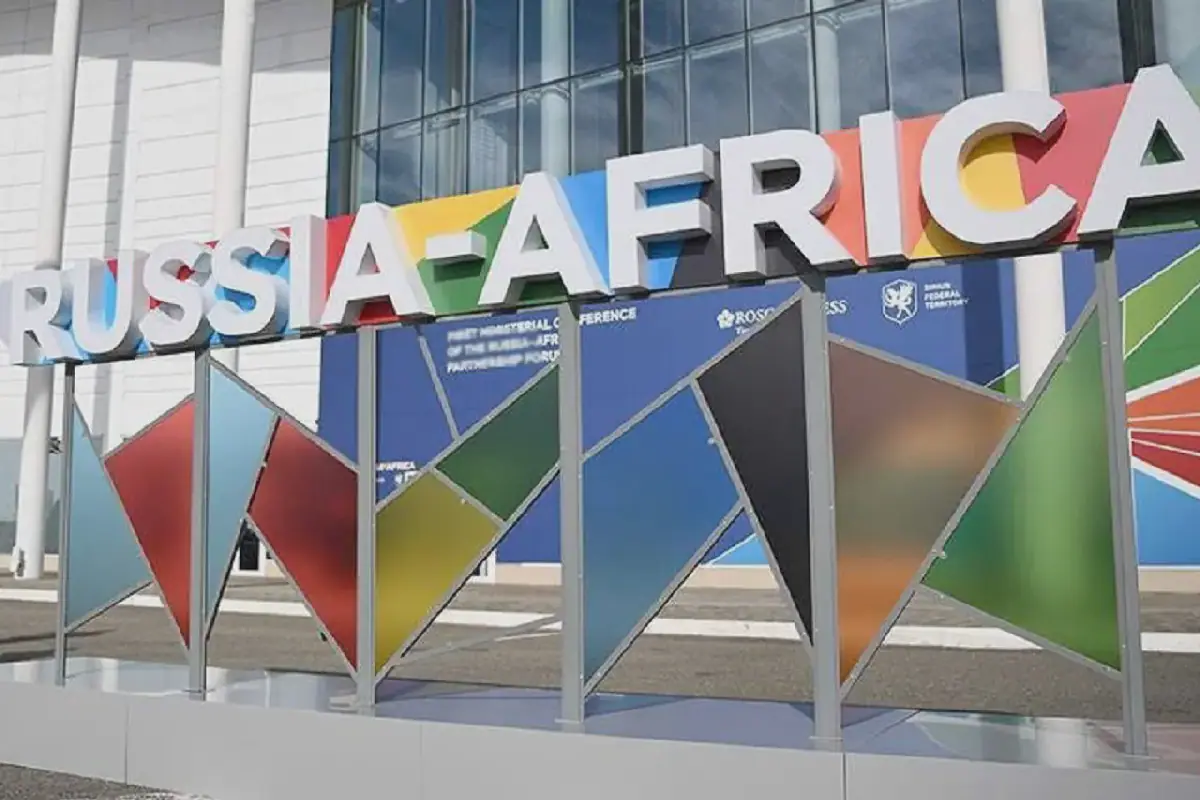
In recent years, some African countries have turned to Russia as a potential partner in their development efforts. The three countries of the Alliance des États du Sahel (AES), namely Burkina Faso, Mali, and Niger, have adopted a sovereigntist and pan-Africanist stance, which has led them to seek Russian assistance in their fight against terrorism. However, analysts warn that Russia's involvement in Africa should not be seen as altruistic, but rather as a strategic move to expand its influence on the continent.
Alain Foka, a Cameroonian journalist and analyst, has expressed skepticism about the notion that Russia is a more reliable partner for Africa than the West. He argues that Africa should move beyond the concept of "friends" and "enemies" and instead focus on building pragmatic relationships with other countries. Foka's views are echoed by others who argue that Africa's development challenges require a more nuanced approach, one that takes into account the complex interplay of factors driving the continent's underdevelopment.
The situation in Togo, a country in West Africa, illustrates the challenges facing many African nations. The country's regime, led by the Gnassingbé family, has been accused of human rights abuses and has been in power for decades. The country's economic and social development has been hindered by the regime's authoritarian practices and corrupt governance. As Africa continues to navigate its relationships with external partners, it is clear that the continent's development challenges require a more effective and sustainable solution.
Many experts agree that Africa's development challenges are primarily endogenous, meaning they are driven by internal factors such as poor governance, corruption, and lack of investment in human capital. While external factors, such as colonialism and imperialism, have certainly contributed to the continent's underdevelopment, it is clear that African leaders themselves have a critical role to play in addressing these challenges. By prioritizing good governance, transparency, and accountability, African countries can create the conditions for sustainable development and growth.
As Africa continues to seek new partners and alliances, it is clear that the continent's development challenges require a more nuanced and multifaceted approach. While Russia may offer some benefits, such as a more sympathetic ear to African concerns, it is not a panacea for the continent's development challenges. Ultimately, Africa's development will depend on its ability to build strong, effective institutions and to prioritize the needs and interests of its citizens.
Key points
- Analysts warn that Russia's involvement in Africa should not be seen as altruistic, but rather as a strategic move to expand its influence on the continent.